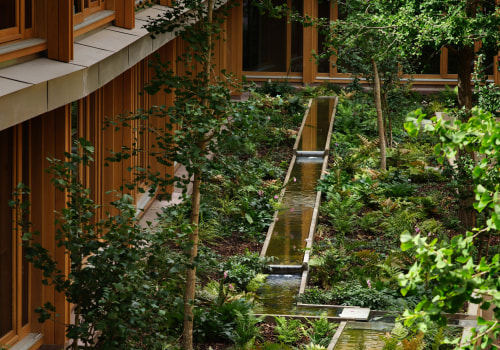
In the realm of real estate, the significance of tree maintenance cannot be overstated. Trees are not merely decorative elements; they play a crucial role in enhancing the overall value and appeal of a property. Well-maintained trees can transform a mundane landscape into a vibrant, inviting environment, making properties more attractive to potential buyers or tenants. This aesthetic enhancement is just one aspect of how tree care for properties can influence real estate dynamics. Moreover, the benefits of trees extend beyond visual appeal.
Healthy trees contribute to improved air quality, provide shade that can reduce energy costs, and even offer privacy and noise reduction. These factors collectively enhance the livability of a space, making it more desirable in a competitive market. As such, understanding the importance of tree maintenance for real estate assets is essential for property owners and managers who wish to maximize their investment. However, it is important to recognize that not all properties are created equal; different types of real estate assets—be it residential homes, commercial buildings, or multi-family units—have unique needs when it comes to tree care. Customizing tree maintenance strategies to fit these specific requirements can lead to optimal results, ensuring that each property not only looks its best but also thrives in its environment.
This tailored approach sets the stage for a deeper exploration into how tree maintenance can be effectively customized for various real estate assets.
Types of Real Estate Assets and Their Unique Tree Maintenance Needs
Understanding the unique tree maintenance needs of various real estate assets is essential for ensuring the health and longevity of trees, which can enhance property value and aesthetic appeal. Below, we categorize the primary types of real estate assets and their specific tree care requirements.Residential Tree Maintenance
For residential properties, tree maintenance focuses on safety, aesthetics, and enhancing property value. Homeowners often prioritize:- Regular Pruning: This helps maintain tree shape, remove dead or diseased branches, and promote healthy growth.
- Seasonal Inspections: Homeowners should schedule inspections in spring and fall to assess tree health and prepare for seasonal changes.
- Pest Management: Identifying and treating pest infestations early can prevent significant damage to trees.
Commercial Property Tree Care
Commercial properties, such as office buildings and retail spaces, require a more structured approach to tree maintenance due to higher foot traffic and visibility. Key considerations include:- Landscape Design Integration: Trees should complement the overall landscape design, enhancing curb appeal and creating inviting spaces for customers.
- Regular Maintenance Contracts: Establishing ongoing maintenance contracts ensures that trees are consistently cared for, reducing liability risks.
- Emergency Response Plans: Having a plan in place for storm damage or fallen branches is crucial for maintaining safety on commercial properties.
Industrial Tree Management
Industrial properties, such as factories or warehouses, often have unique challenges regarding tree management.Their maintenance needs may include:
- Site Safety Assessments: Regular assessments help identify potential hazards posed by trees near operational areas.
- Erosion Control: Trees can play a vital role in preventing soil erosion on industrial sites, so proper planting and maintenance are essential.
- Compliance with Regulations: Industrial sites must adhere to local regulations regarding tree preservation and management, necessitating specialized knowledge in tree care practices.
Factors Influencing Tree Maintenance Customization
When it comes to tree maintenance for real estate assets, several key factors must be considered to ensure that the care provided is tailored to the unique needs of each property. Understanding these factors can significantly enhance the health and longevity of trees, ultimately benefiting the overall value of the real estate.Climate Impact on Trees
The local climate plays a crucial role in determining the types of trees that thrive in a given area and how they should be maintained. For instance, properties located in regions with harsh winters may require different pruning techniques and winterization practices compared to those in warmer climates. Additionally, understanding seasonal weather patterns can help in scheduling maintenance activities such as fertilization and pest control.Soil Conditions for Trees
Soil type and quality are fundamental to tree health.Different species have varying soil requirements, including pH levels, drainage capabilities, and nutrient content. Conducting a soil test can provide valuable insights into what amendments may be necessary to support tree growth. For example, sandy soils may require more frequent watering and fertilization, while clay soils might need aeration to improve drainage.
Local Regulations on Tree Maintenance
Compliance with local regulations is another critical factor influencing tree maintenance. Many municipalities have specific guidelines regarding tree trimming, removal, and planting.Understanding these regulations not only helps avoid potential fines but also ensures that maintenance practices align with community standards and environmental goals. Property managers should stay informed about any changes in local laws that could affect their tree care strategies. In summary, customizing tree maintenance for real estate assets involves a comprehensive understanding of climate conditions, soil characteristics, and local regulations. By taking these factors into account, property owners can implement effective tree care strategies that enhance both the aesthetic appeal and ecological health of their properties.
Best Practices for Tree Maintenance in Residential Properties
Maintaining trees in residential properties is essential not only for aesthetic appeal but also for the health of the trees and the safety of the surrounding environment. Here are some best practices for effective tree maintenance for real estate assets in residential areas.Residential Tree Care Tips
- Regular Inspections: Conduct routine checks for signs of disease, pests, or structural issues.
Early detection can prevent larger problems.
- Proper Watering: Ensure trees receive adequate water, especially during dry spells. Deep watering is more effective than frequent shallow watering.
- Mulching: Apply a layer of mulch around the base of trees to retain moisture, suppress weeds, and improve soil quality.
Pruning Trees in Homes
Pruning is a critical aspect of tree maintenance that promotes healthy growth and enhances the overall appearance of your landscape. Here are some tips:- Timing: The best time to prune most trees is during late winter or early spring before new growth begins.
- Technique: Use clean, sharp tools to make clean cuts. Remove dead or diseased branches first, followed by any that cross or rub against each other.
- Avoid Topping: Never top trees as it can lead to weak growth and increased susceptibility to pests and diseases.
Landscaping with Trees
Incorporating trees into your landscaping can enhance property value and curb appeal.Consider the following:
- Selecting the Right Species: Choose tree species that are well-suited to your local climate and soil conditions.
- Placement: Position trees strategically to provide shade, privacy, and wind protection while avoiding interference with structures and power lines.
Seasonal Tree Maintenance for Homes
Seasonal care is vital for maintaining tree health throughout the year. Here’s a seasonal breakdown:- Spring: Fertilize and prune as needed; check for pests.
- Summer: Monitor water needs; apply mulch if necessary.
- Fall: Rake leaves; prepare trees for winter by wrapping young trunks if needed.
- winter: Inspect trees for damage; plan for spring pruning.
Commercial Property Tree Maintenance Strategies
Maintaining trees in commercial properties is crucial not only for aesthetic appeal but also for enhancing the overall value of the real estate asset.Commercial tree care strategies
should be tailored to the specific needs of the property, taking into account factors such as location, type of business, and the surrounding environment.For instance, in business parks, where large open spaces are common, it is essential to select tree species that can thrive in urban settings while providing shade and visual interest. Regular pruning and health assessments can help ensure that these trees remain vibrant and do not obstruct pathways or signage.- Regular Inspections: Schedule routine inspections to assess tree health and identify any potential issues early on.
- Pruning and Trimming: Implement a pruning schedule to maintain shape, remove dead branches, and promote healthy growth.
- Pest Management: Utilize integrated pest management strategies to protect trees from infestations that could compromise their health.
Landscaping should be designed to enhance visibility while ensuring that trees do not obstruct storefronts or signage. Incorporating seasonal flowering trees can also attract more foot traffic, making the property more appealing.Moreover, investing in professional tree maintenance services can yield long-term benefits. These experts can provide tailored care plans that address the unique challenges faced by commercial properties, ensuring that trees remain healthy and contribute positively to the overall landscape.Ultimately, effective tree maintenance for real estate assets in commercial settings requires a proactive approach. By prioritizing tree health and aesthetics, property managers can enhance their investment while creating a welcoming environment for clients and customers alike.
Tree Management for Industrial Real Estate Assets
Managing trees in industrial real estate assets presents unique challenges that require tailored strategies to ensure safety, compliance, and environmental sustainability.The presence of trees in industrial areas can significantly impact operations, necessitating a comprehensive approach to tree maintenance.
Safety Considerations
- Tree Health Assessment: Regular inspections are crucial to identify any signs of disease or structural weakness that could pose risks to workers and equipment.
- Clearance Zones: Establishing and maintaining appropriate clearance zones around machinery and buildings is essential to prevent accidents caused by falling branches or uprooted trees.
- Emergency Response Planning: Incorporating tree management into emergency response plans ensures that potential hazards are addressed swiftly, minimizing disruption to operations.
Environmental Impact
Trees play a vital role in enhancing the environmental quality of industrial sites. They can:
- Improve Air Quality: Trees absorb pollutants and produce oxygen, contributing to a healthier atmosphere for employees and surrounding communities.
- Reduce Noise Pollution: Strategically placed trees can act as natural sound barriers, mitigating noise from industrial activities.
- Manage Stormwater: Tree canopies help reduce runoff and promote groundwater recharge, which is particularly important in areas prone to flooding.
Customized Tree Management Strategies
To effectively manage trees in industrial settings, property owners should consider:
- Species Selection: Choosing tree species that are resilient to industrial conditions and require minimal maintenance can enhance long-term sustainability.
- Regular Maintenance Schedules: Implementing a routine maintenance schedule that includes pruning, fertilization, and pest management will ensure tree health and safety.
- Collaboration with Experts: Engaging arborists or environmental consultants can provide valuable insights into best practices for tree management tailored to specific industrial needs.
Seasonal Considerations for Tree Maintenance Across Different Properties
Seasonal changes play a crucial role in determining the appropriate tree maintenance for real estate assets. Each season presents unique challenges and opportunities for maintaining the health and aesthetics of trees, which can significantly impact property value and curb appeal.Winter Tree Maintenance
During the winter months, trees enter a dormant phase, making it an ideal time for certain maintenance tasks.Winter tree maintenance
should focus on:- Pruning: Remove dead or diseased branches to promote healthy growth in spring.
- Protection: Wrap young trees with burlap to shield them from harsh winds and frost.
- Mulching: Apply mulch around the base to retain moisture and regulate soil temperature.
Spring Care
As temperatures rise, trees begin to awaken.Spring is the perfect time for:
- Fertilization: Use a balanced fertilizer to support new growth.
- Pest Control: Monitor for pests and diseases that may emerge as trees leaf out.
Summer Pruning Techniques
In summer, summer pruning techniques can help maintain tree shape and health. Focus on:- Thinning: Remove excess branches to improve air circulation and sunlight penetration.
- Watering: Ensure trees receive adequate water during hot months, especially newly planted ones.
Fall Preparation for Trees
The fall season is critical for preparing trees for winter. Key activities include:- Cleansing: Rake leaves to prevent fungal diseases.
- Deep Watering: Water trees thoroughly before the ground freezes to ensure they are hydrated.
- Final Pruning: Conduct any necessary pruning before dormancy sets in.
FAQs About Customizing Tree Maintenance for Real Estate Assets
When it comes to tree maintenance for real estate assets, property managers and owners often have specific questions. Here are some of the most frequently asked questions regarding the customization of tree care:- What factors should be considered when customizing tree maintenance?
The customization of tree maintenance should take into account the type of trees present, their age, health, and the specific environmental conditions of the property.Additionally, the intended use of the real estate asset—whether residential, commercial, or recreational—will influence maintenance strategies.
- How often should tree maintenance be performed?
The frequency of tree maintenance varies based on the species and condition of the trees. Generally, a comprehensive assessment should be conducted at least once a year, with more frequent checks for younger or newly planted trees. - What are the benefits of customized tree maintenance?
Customized tree maintenance can enhance property aesthetics, improve safety by reducing hazards from dead or overhanging branches, and promote healthier trees that can increase property value. Additionally, tailored care can help in managing pests and diseases effectively. - Can tree maintenance impact property value?
Yes, well-maintained trees can significantly enhance curb appeal and overall property value. Properties with healthy landscaping are often more attractive to potential buyers or tenants. - What are common mistakes in tree maintenance for real estate assets?
Common mistakes include neglecting regular inspections, using improper pruning techniques, and failing to consider the long-term growth patterns of trees.These errors can lead to increased risks and costs down the line.
Conclusion: Tailoring Tree Maintenance for Optimal Property Value
In conclusion, tree maintenance for real estate assets is not a one-size-fits-all approach. Each type of property—whether residential, commercial, or industrial—has unique requirements that must be addressed to maximize both aesthetic appeal and property value. By understanding the specific needs of different real estate assets, property managers and owners can implement tailored tree maintenance strategies that enhance the overall landscape.For instance, residential properties may benefit from regular pruning and seasonal clean-ups to maintain curb appeal and ensure safety for families. In contrast, commercial properties might require more extensive landscaping services that include tree health assessments and strategic planting to create inviting environments for customers.- Assessing Tree Health: Regular evaluations can identify potential issues before they escalate, ensuring trees remain healthy and vibrant.
- Seasonal Care: Different seasons call for specific maintenance tasks, such as winterizing trees or summer watering schedules.
- Customized Planting: Selecting the right species for the local climate and soil conditions can significantly impact long-term maintenance needs.
A well-maintained landscape not only attracts potential buyers or tenants but also contributes to a positive community image.Ultimately, the key takeaway is that customized tree maintenance is essential for optimizing property value. By prioritizing the specific needs of each real estate asset, property owners can ensure their investments thrive in both beauty and functionality.