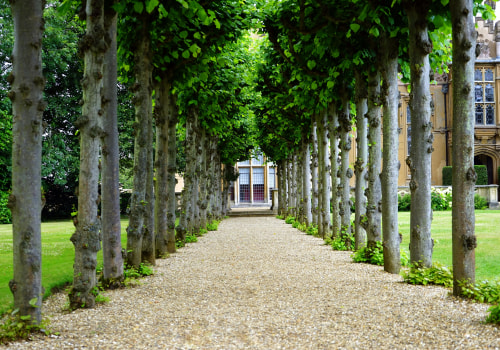
In the realm of real estate asset management, the significance of tree maintenance cannot be overstated. Trees are not merely decorative elements; they play a crucial role in enhancing property value, improving aesthetics, and contributing positively to the environment. Well-maintained trees can increase curb appeal, making properties more attractive to potential buyers or tenants. This visual appeal can translate into higher market values, making effective tree care an essential component of property management strategies. Moreover, the benefits of tree maintenance extend beyond mere aesthetics.
Healthy trees provide shade, reduce energy costs, and improve air quality, creating a more pleasant living environment. They also contribute to biodiversity by providing habitats for various species. In urban settings, where green spaces are often limited, maintaining trees becomes even more critical for promoting ecological balance and enhancing community well-being. As we delve deeper into eco-friendly options for tree maintenance, it is essential to recognize that sustainable practices not only preserve the health of trees but also align with broader environmental goals. By adopting these practices, real estate managers can ensure that their properties remain attractive and valuable while also contributing to a healthier planet.
Understanding the importance of tree maintenance is the first step toward implementing effective strategies that benefit both real estate assets and the environment.
Eco-Friendly Tree Maintenance Practices
When it comes to tree maintenance for real estate assets, adopting eco-friendly practices not only benefits the environment but also enhances the aesthetic and value of the property. Here are some sustainable tree care options that can be effectively implemented:- Organic Fertilizers: Utilizing organic fertilizers, such as compost or well-rotted manure, can improve soil health without introducing harmful chemicals. This promotes robust tree growth and resilience against pests.
- Mulching: Applying a layer of organic mulch around the base of trees helps retain moisture, suppress weeds, and improve soil quality as it decomposes. This practice reduces the need for frequent watering and chemical herbicides.
- Integrated Pest Management (IPM): Implementing IPM strategies allows property managers to control pests using natural predators and environmentally safe treatments.
This minimizes chemical use while effectively managing pest populations.
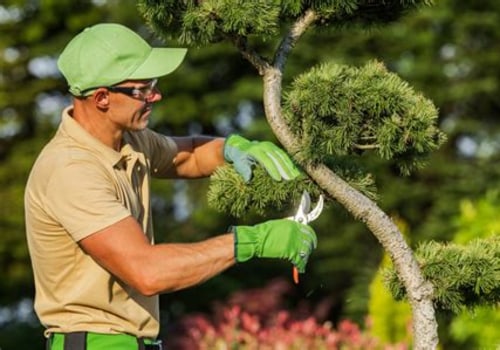
- Pruning Techniques: Regular pruning not only maintains the health and shape of trees but also encourages new growth. Using proper techniques ensures that trees remain strong and less susceptible to disease.
- Water Conservation: Employing drip irrigation systems or rainwater harvesting can significantly reduce water usage for tree maintenance. These methods ensure that trees receive adequate hydration without wasting resources.
Organic Fertilization Techniques for Trees
When it comes to tree maintenance for real estate assets, utilizing organic fertilizers is a sustainable approach that not only enhances tree health but also protects the surrounding ecosystem.Organic fertilization techniques focus on enriching the soil with natural materials, promoting robust growth while minimizing chemical runoff.
Benefits of Organic Fertilizers
- Improved Soil Health: Organic fertilizers improve soil structure and increase microbial activity, which is essential for nutrient absorption.
- Reduced Environmental Impact: By avoiding synthetic chemicals, organic methods help prevent soil and water contamination.
- Enhanced Tree Resilience: Trees nourished with organic fertilizers are often more resilient to pests and diseases.
Types of Organic Fertilizers
- Compost: Decomposed organic matter that enriches the soil with nutrients and improves moisture retention.
- Bone Meal: A slow-release source of phosphorus that promotes root development and flowering.
- Fish Emulsion: A liquid fertilizer rich in nitrogen, ideal for promoting leafy growth in young trees.
- Kelp Meal: Provides trace minerals and growth hormones that enhance overall tree vigor.
Application Techniques
- Top Dressing: Spread organic fertilizers on the soil surface around the tree base to allow nutrients to seep into the ground.
- Dilution in Water: For liquid fertilizers like fish emulsion, dilute with water and apply directly to the soil or as a foliar spray.
- Soil Incorporation: Mix organic fertilizers into the soil during planting or when aerating established trees to ensure even distribution of nutrients.
Water Conservation Strategies in Tree Maintenance
Effective water conservation strategies are essential for maintaining healthy trees, especially in the context of tree maintenance for real estate assets. Implementing sustainable watering practices not only promotes tree health but also conserves valuable water resources.Irrigation Techniques
Utilizing efficient irrigation techniques can significantly reduce water waste. Here are some methods to consider:- Drip Irrigation: This method delivers water directly to the root zone, minimizing evaporation and runoff.
It is particularly effective for young trees that require consistent moisture.
- Soaker Hoses: These hoses allow water to seep out slowly along their length, providing a gentle and deep watering solution that encourages deep root growth.
- Rainwater Harvesting: Collecting rainwater from roofs and other surfaces can provide a sustainable source of irrigation. This practice not only conserves municipal water but also reduces stormwater runoff.
Sustainable Watering Practices
In addition to advanced irrigation systems, adopting sustainable watering practices can enhance tree maintenance:- Mulching: Applying a layer of organic mulch around the base of trees helps retain soil moisture, suppress weeds, and improve soil quality as it decomposes.
- Soil Moisture Monitoring: Using moisture sensors or simple soil probes can help determine when trees actually need water, preventing overwatering and ensuring that trees receive adequate hydration.
- Timing Watering Sessions: Watering early in the morning or late in the evening reduces evaporation losses and allows more water to reach the roots.
Pest Management: Eco-Friendly Approaches
Effective pest management is crucial for maintaining the health of trees on real estate assets, especially when aiming for eco-friendly solutions. Traditional pest control methods often involve harmful chemicals that can damage the environment and surrounding ecosystems.Instead, adopting natural pest management strategies can provide sustainable alternatives that protect both trees and the environment.One of the most effective eco-friendly approaches is the use of beneficial insects. These natural predators, such as ladybugs and lacewings, can help control pest populations without the need for chemical pesticides. By introducing these insects into your landscape, you can create a balanced ecosystem that naturally regulates pest numbers.Another strategy involves the application of organic pesticides, which are derived from natural sources and are less harmful to beneficial organisms. Products containing neem oil or insecticidal soap can effectively target specific pests while minimizing environmental impact.
Always ensure that any product used is certified organic to maintain sustainability.
- Companion Planting: This technique involves planting certain species together to deter pests. For example, marigolds are known to repel nematodes and other harmful insects.
- Physical Barriers: Using nets or row covers can protect trees from pests without the use of chemicals. This method is particularly effective for young trees.
- Regular Monitoring: Keeping a close eye on tree health and pest activity allows for early intervention. This proactive approach can prevent infestations before they become severe.
By prioritizing eco-friendly practices in tree maintenance for real estate assets, property owners can enhance the longevity and vitality of their landscapes while promoting biodiversity.
The Role of Mulching in Sustainable Tree Care
Mulching is a vital practice in tree maintenance for real estate assets, offering numerous benefits that enhance both tree health and environmental sustainability. By applying a layer of organic or inorganic material around the base of trees, property managers can significantly improve soil conditions and promote healthy growth.Benefits of Mulching Trees
- Moisture Retention: Mulch helps retain soil moisture, reducing the need for frequent watering, which is especially beneficial in drought-prone areas.
- Weed Suppression: A thick layer of mulch can inhibit weed growth, minimizing competition for nutrients and water.
- Soil Temperature Regulation: Mulch acts as an insulator, keeping soil temperatures stable during extreme weather conditions.
- Nutrient Enrichment: Organic mulches decompose over time, adding essential nutrients back into the soil and improving its overall health.
Sustainable Mulching Practices
To ensure that mulching practices are sustainable, consider the following tips:- Choose Organic Materials: Opt for natural materials such as wood chips, bark, straw, or shredded leaves. These not only provide benefits to the trees but also break down over time to enrich the soil.
- Avoid Synthetic Mulches: Steer clear of rubber or plastic mulches, as they do not decompose and can lead to soil degradation.
- Apply Correctly: Spread mulch in a donut shape around the tree base, keeping it 6 inches away from the trunk to prevent rot and pest issues.
Eco-Friendly Mulch Options
When selecting mulch for your trees, consider these eco-friendly options:- Cocoa Hulls: A byproduct of chocolate production, cocoa hulls are attractive and provide a pleasant aroma while enriching the soil.
- Pine Needles: Lightweight and easy to apply, pine needles are excellent for acid-loving plants and help retain moisture.
- Compost: Using compost as mulch not only suppresses weeds but also adds beneficial microorganisms to the soil.
Tree Pruning: Best Practices for Eco-Friendly Maintenance
When it comes to tree maintenance for real estate assets, implementing eco-friendly pruning techniques is essential for promoting the health and longevity of trees.Proper pruning not only enhances the aesthetic appeal of a property but also supports the overall ecosystem.
Eco-Friendly Tree Pruning Techniques
Utilizing sustainable pruning methods can significantly reduce the environmental impact of tree maintenance. Here are some best practices:- Timing is Key: Prune trees during their dormant season, typically late winter or early spring, to minimize stress and promote healthy growth.
- Use Clean Tools: Always use sharp, clean tools to make precise cuts. This reduces the risk of disease transmission and encourages faster healing.
- Follow the 1/3 Rule: Avoid removing more than one-third of a tree's canopy in a single season. This helps maintain the tree's health and structural integrity.
- Remove Dead or Diseased Wood: Focus on eliminating dead, damaged, or diseased branches first.
This not only improves the tree's appearance but also prevents the spread of pests and diseases.
- Avoid Topping: Topping trees can lead to weak growth and increased susceptibility to disease. Instead, aim for selective pruning that maintains the natural shape of the tree.
Sustainable Pruning Methods
Incorporating sustainable practices into your tree care routine can further enhance the benefits of pruning:- Mulching: After pruning, use wood chips from trimmed branches as mulch around the base of trees. This conserves moisture, suppresses weeds, and adds nutrients back into the soil.
- Composting: Instead of discarding pruned branches, consider composting them. This reduces waste and creates nutrient-rich soil for landscaping needs.
- Hire Certified Arborists: When in doubt, consult with certified arborists who specialize in eco-friendly practices.
They can provide tailored advice for maintaining your trees sustainably.
Community Involvement in Tree Maintenance Initiatives
Engaging communities in tree maintenance initiatives is essential for fostering a sustainable environment and enhancing the value of real estate assets. Community involvement not only promotes awareness about the importance of trees but also encourages residents to take an active role in their care.Community Tree Care Programs
- Many cities have established community tree care programs that provide resources and training for residents. These programs often include workshops on proper pruning techniques, pest management, and tree planting.
- Local governments may partner with non-profit organizations to create volunteer opportunities for residents to participate in tree planting days or maintenance events.
Local Tree Maintenance Initiatives
- Neighborhood associations can spearhead local initiatives that focus on maintaining existing trees, such as organizing regular clean-up days to remove debris and promote healthy growth.
- Schools can also play a pivotal role by incorporating tree care into their curriculum, teaching students about the ecological benefits of trees and how to care for them.
Engaging Communities in Sustainability
- By involving community members in tree maintenance, real estate developers can enhance their properties' appeal while promoting a sense of ownership among residents.
- Social media campaigns can be effective in raising awareness about local tree initiatives, encouraging more people to participate and share their experiences.
By prioritizing these eco-friendly practices, real estate assets can thrive alongside the natural beauty that trees provide.
Frequently Asked Questions about Eco-Friendly Tree Maintenance
When it comes to tree maintenance for real estate assets, many property owners have questions about how to implement eco-friendly practices effectively. Here are some frequently asked questions that can help clarify common concerns:What are the benefits of eco-friendly tree maintenance?
Eco-friendly tree maintenance not only promotes a healthier environment but also enhances the aesthetic appeal and value of your property. By using sustainable practices, you can:- Reduce chemical runoff that can harm local ecosystems.
- Improve soil health and biodiversity.
- Lower maintenance costs in the long run through natural pest control and organic fertilizers.
How can I choose the right eco-friendly products for tree care?
When selecting products for tree maintenance, look for those that are certified organic or labeled as environmentally safe. Consider the following:- Pesticides: Opt for natural alternatives like neem oil or insecticidal soap.
- Fertilizers: Use compost or organic fertilizers that enrich the soil without harmful chemicals.
- Mulch: Choose organic mulch made from wood chips or leaves to retain moisture and suppress weeds.
How often should I perform tree maintenance?
The frequency of tree maintenance depends on various factors, including tree species, age, and local climate.Generally, it is advisable to:
- Inspect trees at least twice a year for signs of disease or damage.
- Prune trees during their dormant season to minimize stress.
- Apply organic fertilizers annually to promote healthy growth.
Can I do tree maintenance myself, or should I hire a professional?
While some basic tasks like mulching and watering can be done by homeowners, hiring a professional arborist is recommended for more complex tasks such as pruning large branches or diagnosing diseases. Professionals are trained in eco-friendly practices and can ensure that your trees receive the best care possible.By addressing these common inquiries, property owners can make informed decisions about eco-friendly tree maintenance, ultimately benefiting both their real estate assets and the environment.Conclusion: Embracing Sustainable Practices in Tree Maintenance for Real Estate Assets
In conclusion, adopting eco-friendly practices in tree maintenance for real estate assets is not just a trend but a necessity for sustainable development. As we have explored, the integration of environmentally responsible methods can significantly enhance the health of trees while also benefiting the surrounding ecosystem. By implementing practices such as organic fertilization, integrated pest management, and water conservation techniques, property managers can ensure that their trees thrive without compromising the environment. These methods not only promote tree longevity but also contribute to the overall aesthetic and value of real estate properties. Moreover, utilizing native species in landscaping can reduce maintenance costs and increase biodiversity.Native trees are better adapted to local climates and pests, requiring less water and fewer chemical treatments. This approach not only supports local wildlife but also aligns with the growing demand for sustainable living. Investing in sustainable tree maintenance practices can lead to long-term financial benefits. Properties that prioritize eco-friendly landscaping often see increased market value and appeal to environmentally conscious buyers. Additionally, these practices can reduce operational costs associated with tree care over time. Ultimately, embracing sustainable tree maintenance is a win-win situation.
It fosters a healthier environment, enhances property value, and meets the expectations of modern consumers who prioritize sustainability. As we move forward, it is crucial for real estate professionals to recognize the importance of these practices and take actionable steps towards implementing them. In summary, the future of tree maintenance for real estate assets lies in our commitment to sustainability. By making informed choices today, we can ensure that our properties not only look beautiful but also contribute positively to our planet.