Tree maintenance is a critical aspect of property management that often goes overlooked, yet it plays a vital role in enhancing the safety and security of real estate assets. Proper tree care not only contributes to the aesthetic appeal of a property but also ensures that trees do not become hazards. Neglected trees can pose significant risks, such as falling branches or entire trees during storms, which can lead to property damage and personal injury. Understanding the fundamentals of tree maintenance is essential for property owners who wish to protect their investments. The importance of tree maintenance extends beyond mere aesthetics; it encompasses health assessments, pruning, and pest management.
Regular inspections can identify potential issues before they escalate into serious problems. For instance, dead or diseased branches should be removed promptly to prevent them from falling and causing harm. Additionally, maintaining healthy trees can enhance the overall value of a property, making it more attractive to potential buyers or renters. Moreover, well-maintained trees can serve as natural barriers, providing privacy and security for residential and commercial properties alike. They can deter unwanted visitors and create a sense of safety for occupants.
In this context, understanding tree care basics becomes crucial for real estate stakeholders who aim to foster a secure environment while maximizing their asset's value. As we delve deeper into the relationship between tree maintenance and real estate safety, it becomes clear that investing in proper tree care is not just an aesthetic choice but a strategic decision that can yield significant long-term benefits.
The Role of Trees in Property Value and Aesthetics
When it comes to real estate assets, the presence of well-maintained trees can significantly influence both property value and aesthetic appeal. Trees not only enhance the visual landscape but also contribute to a sense of tranquility and well-being, making properties more attractive to potential buyers.Property Value
- Studies have shown that homes with mature trees can sell for up to 15% more than similar homes without them. This increase in value is largely attributed to the perceived quality of the environment.
- Well-maintained trees can act as natural barriers, providing privacy and reducing noise pollution, which are highly sought-after features in real estate.
- The visual impact of trees can transform a property from ordinary to extraordinary.
A well-landscaped yard with healthy trees creates a welcoming atmosphere that invites potential buyers to envision themselves living there.
- Seasonal changes in foliage can also enhance curb appeal, as vibrant colors in spring and fall attract attention and create a dynamic visual experience.
- Greenery has been shown to have a calming effect on individuals, which can be particularly beneficial during the home-buying process. Buyers often feel more relaxed and positive when surrounded by nature.
- The presence of trees can evoke feelings of nostalgia and comfort, making properties feel more like home even before a buyer steps inside.
Safety Hazards Associated with Neglected Trees
Neglected trees can pose significant safety hazards that directly impact the security of real estate assets. One of the most pressing concerns is the risk of falling branches or entire trees, especially during severe weather conditions.These incidents can lead to property damage, personal injury, and even liability claims against property owners. Regular tree maintenance is essential to identify and mitigate these risks. Here are some common hazards associated with neglected trees:
- Dead or Dying Branches: Branches that are dead or diseased can easily break off and fall, posing a danger to anyone nearby.
- Root Damage: Trees with compromised root systems may become unstable, increasing the likelihood of toppling over.
- Pests and Diseases: Infestations can weaken trees, making them more susceptible to falling. Regular inspections can help catch these issues early.
- Overgrowth: Trees that are not pruned regularly can obstruct visibility, creating safety risks for pedestrians and drivers alike.
This perception can lead to decreased property values and increased difficulty in selling or renting out real estate assets. In conclusion, prioritizing tree maintenance is not just about aesthetics; it is a crucial aspect of ensuring safety and security for real estate assets. By addressing potential hazards proactively, property owners can protect their investments and enhance the overall appeal of their properties.
Tree Maintenance and Crime Prevention
Effective tree maintenance for real estate assets plays a crucial role in enhancing community safety and deterring criminal activity. Numerous studies have shown that well-maintained landscapes, including trees and shrubs, can significantly reduce crime rates in neighborhoods. This phenomenon is often attributed to the concept of natural surveillance, where the presence of greenery encourages community interaction and vigilance.When trees are properly maintained, they create an inviting atmosphere that fosters a sense of ownership among residents.This sense of community can lead to increased social cohesion, making it less likely for criminal activities to occur. In contrast, neglected landscapes can signal abandonment and attract illicit behavior.
- Visibility: Well-trimmed trees allow for better sightlines, making it easier for residents and law enforcement to spot suspicious activities.
- Community Engagement: Landscapes that are cared for encourage residents to spend more time outdoors, increasing the likelihood of neighbors looking out for one another.
- Psychological Impact: Green spaces have been shown to improve mental well-being, which can lead to a more engaged and proactive community.
By fostering safe neighborhoods through well-kept landscapes, property owners can enhance their investment while contributing to the overall security and well-being of their communities.
Legal Implications of Tree Maintenance for Property Owners
Property owners have a legal responsibility to maintain the trees on their property, which can significantly impact the safety and security of their real estate assets. Neglected trees can pose various risks, including falling branches or entire trees that may cause injury to individuals or damage to neighboring properties. Such incidents can lead to liability issues for property owners, making it crucial to understand the laws surrounding tree maintenance.Tree Maintenance Laws
- Many local jurisdictions have specific tree maintenance laws that dictate how property owners should care for their trees.
- These laws often include requirements for regular inspections, pruning, and removal of dead or hazardous trees.
- Failure to comply with these regulations can result in fines or legal action from local authorities.
Property Owner Responsibilities
- Property owners must regularly assess the health of their trees and take appropriate action if any are found to be diseased or structurally unsound.
- It is advisable to hire certified arborists for professional evaluations and maintenance, ensuring compliance with local laws.
- Documenting maintenance activities can also provide protection against potential legal claims.
Legal Issues Related to Trees
- If a tree on a property causes damage due to neglect, the owner may be held liable for any resulting injuries or damages.
- This liability extends not only to visitors on the property but also to neighbors and passersby.
- In some cases, disputes may arise between neighbors regarding tree encroachment or damage, leading to further legal complications.
Best Practices for Tree Maintenance in Real Estate Management
Maintaining trees on real estate properties is crucial for ensuring safety, enhancing aesthetics, and preserving property value.Here are some best practices for effective tree maintenance in real estate management:
- Regular Inspections: Schedule routine inspections of all trees on the property. Look for signs of disease, pest infestations, or structural weaknesses. Early detection can prevent costly damage and enhance safety.
- Professional Tree Care: Hire certified arborists for specialized care. Professionals can provide expert advice on species selection, pruning techniques, and disease management tailored to your specific property needs.
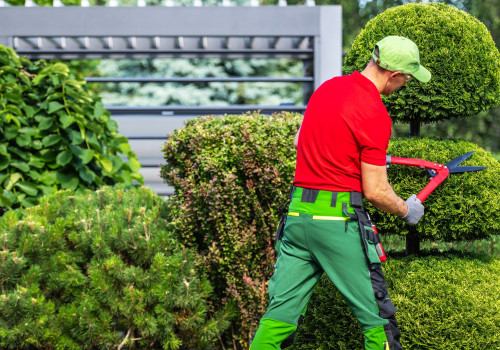
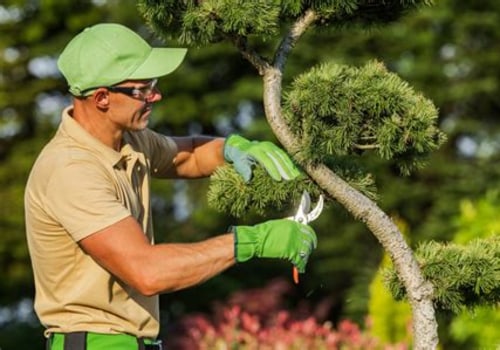
- Pruning and Trimming: Regularly prune trees to remove dead or overgrown branches.
This not only improves the tree's health but also reduces the risk of falling branches that could harm people or property.
- Proper Watering and Fertilization: Ensure trees receive adequate water and nutrients. A well-nourished tree is more resilient to pests and diseases, contributing to the overall safety of the landscape.
- Mulching: Apply mulch around the base of trees to retain moisture, suppress weeds, and improve soil quality. This practice supports healthy root systems and enhances tree stability.
- Storm Preparation: Before storm season, assess trees for potential hazards. Remove any weak or damaged branches that could pose a risk during high winds or heavy rain.
Regular maintenance not only protects the property but also contributes to a more appealing environment for tenants and visitors alike.
FAQs About Tree Maintenance and Real Estate Safety
When it comes to tree maintenance for real estate assets, many property owners have questions about its importance and implications for safety. Here are some frequently asked questions that can help clarify these concerns:- Why is tree maintenance important for real estate safety?
Proper tree maintenance helps prevent hazards such as falling branches or uprooted trees, which can cause significant damage to properties and pose risks to residents and visitors. Regular inspections and care ensure that trees remain healthy and stable. - How often should trees be inspected?
It is recommended to inspect trees at least once a year, especially before severe weather seasons. However, if a tree shows signs of distress or damage, immediate inspection is necessary. - What are the signs that a tree needs maintenance?
Look for signs such as dead branches, cracks in the trunk, fungal growth, or leaning trees.These indicators suggest that a tree may be unsafe and require professional assessment.
- Can tree maintenance increase property value?
Yes, well-maintained trees enhance curb appeal and contribute positively to the overall aesthetic of a property. This can lead to increased property value and attract potential buyers. - What role does tree maintenance play in insurance claims?
Proper maintenance records can be crucial during insurance claims related to property damage caused by trees. Insurers may look for evidence of regular care to determine liability.
Conclusion: The Essential Role of Tree Maintenance in Protecting Real Estate Assets
In conclusion, tree maintenance for real estate assets is not merely an aesthetic consideration; it is a critical component of ensuring the safety and security of properties.As we have explored, well-maintained trees can significantly enhance the value of real estate while simultaneously mitigating risks associated with property damage and personal injury.Regular tree inspections and maintenance practices, such as pruning, disease management, and removal of hazardous trees, play a vital role in:
- Preventing Property Damage: Overgrown or diseased trees can pose serious threats to buildings, vehicles, and other structures. By addressing these issues proactively, property owners can avoid costly repairs and insurance claims.
- Enhancing Safety: Fallen branches or entire trees can lead to accidents that may result in injuries. Regular maintenance ensures that trees are structurally sound and safe for residents and visitors.
- Improving Security: Trees can provide cover for criminal activities if not properly maintained. By keeping trees trimmed and healthy, property owners can reduce hiding spots for potential intruders.
Properties with healthy landscaping are often perceived as more desirable, leading to higher occupancy rates and increased property values.Ultimately, investing in tree maintenance is an investment in the long-term safety, security, and value of real estate assets. Property owners should prioritize regular assessments and maintenance schedules to ensure their trees contribute positively to their properties rather than becoming liabilities.