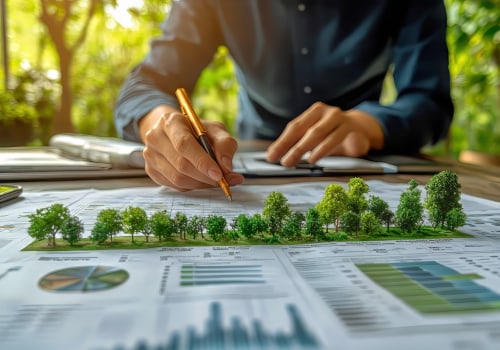
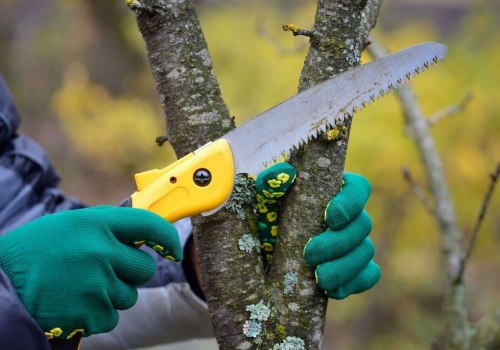
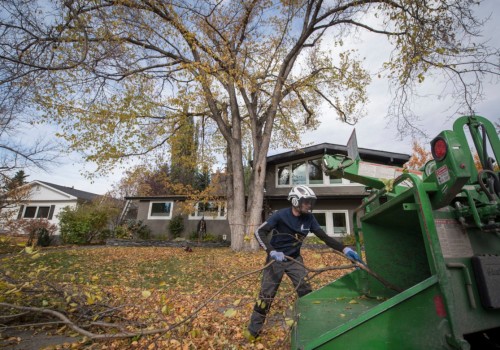
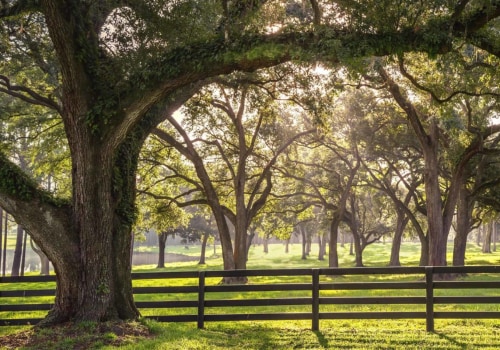
In the realm of real estate, the significance of tree maintenance cannot be overstated. Trees are not merely decorative elements; they play a crucial role in enhancing property value, improving aesthetics, and fostering a sense of community. Well-maintained trees can increase the curb appeal of a property, making it more attractive to potential buyers or renters. This visual appeal is often linked to higher property values, as prospective residents are willing to pay a premium for homes surrounded by lush greenery. Moreover, the benefits of trees extend beyond mere aesthetics.
They contribute to environmental sustainability by improving air quality, providing shade, and supporting local wildlife. In urban settings, trees can mitigate the heat island effect, leading to cooler temperatures and reduced energy costs for residents. This ecological advantage not only enhances the living experience but also aligns with the growing demand for sustainable living practices among tenants. Engaging in proactive tree maintenance for real estate assets is essential for preserving these benefits. Regular pruning, disease management, and proper watering can ensure that trees remain healthy and vibrant.
By prioritizing tree care, property owners can create a welcoming environment that encourages community interaction and promotes well-being among residents. Ultimately, investing in tree maintenance is not just about maintaining property value; it’s about cultivating a thriving community that values its natural surroundings.
Benefits of Involving Tenants in Tree Maintenance
Involving tenants in tree maintenance for real estate assets offers a multitude of benefits that extend beyond the immediate aesthetic improvements. One of the most significant advantages is the enhancement of community spirit. When residents participate in tree care activities, they foster a sense of ownership and pride in their living environment.This collective effort can lead to stronger relationships among neighbors, creating a more cohesive community.Moreover, engaging tenants in tree maintenance can significantly improve the overall aesthetics of the property. Well-maintained trees not only enhance the visual appeal but also contribute to the property’s value. Tenants who take part in these activities are likely to be more invested in maintaining the beauty of their surroundings, leading to a more attractive living space for everyone.Another key benefit is increased tenant satisfaction. When residents feel involved and valued, their overall happiness with their living situation tends to rise.
This involvement can reduce turnover rates, as satisfied tenants are more likely to renew their leases. Additionally, when tenants see the direct impact of their efforts on the environment, it can lead to a greater appreciation for nature and sustainability.
- Enhanced Community Spirit: Fosters relationships and a sense of belonging.
- Improved Aesthetics: Increases property value and visual appeal.
- Increased Tenant Satisfaction: Leads to higher retention rates and happier residents.
By fostering a collaborative approach to tree care, property managers can create a thriving environment that benefits everyone involved.
Creating a Tree Care Committee: Steps and Best Practices
Establishing a tree care committee is an effective way to engage tenants and residents in the maintenance of trees within real estate assets. Here’s a step-by-step guide to help you create a successful committee:- Identify Interested Residents: Start by reaching out to your community through newsletters, social media, or community meetings. Encourage residents who are passionate about nature and sustainability to express their interest in joining the committee.
- Define the Committee’s Purpose: Clearly outline the goals of the tree care committee. This may include organizing tree planting events, scheduling regular maintenance, or educating residents about tree care practices.
- Select Committee Members: Aim for a diverse group of residents to ensure various perspectives and skills are represented.
Consider appointing a chairperson to lead meetings and coordinate activities.
- Establish Regular Meetings: Schedule regular meetings to discuss ongoing projects, share updates, and plan future initiatives. Consistency helps maintain engagement and accountability among members.
- Create a Communication Plan: Utilize email lists, social media groups, or community boards to keep all members informed. Regular updates will foster a sense of community and encourage participation.
- Develop a Maintenance Schedule: Collaborate with local arborists or tree care professionals to create a maintenance schedule that includes pruning, watering, and inspections. This ensures that trees remain healthy and vibrant.
- Organize Community Events: Plan tree planting days or educational workshops that invite all residents to participate.
These events not only enhance community spirit but also promote awareness about the importance of trees in urban environments.
- Encourage Inclusivity: Make sure all residents feel welcome to join and contribute their ideas.
- Provide Training: Offer training sessions on tree care techniques to empower residents with knowledge.
- Acknowledge Contributions: Recognize the efforts of committee members publicly to motivate continued involvement.
Educational Workshops and Training Programs
Engaging tenants in tree maintenance for real estate assets can significantly enhance the health of the trees while fostering a sense of community. One effective approach is to organize educational workshops that focus on tree care techniques and the ecological benefits of maintaining trees.Benefits of Educational Workshops
- Knowledge Sharing: Workshops provide an opportunity for residents to learn about proper pruning, watering, and pest management techniques that are essential for tree health.
- Community Engagement: By involving residents in these programs, property managers can cultivate a sense of ownership and responsibility towards the green spaces in their community.
- Environmental Awareness: Educating tenants about the ecological benefits of trees, such as air purification and habitat creation, can inspire them to take an active role in tree care.
Training Programs for Residents
Implementing structured training programs can further enhance residents' skills in tree maintenance. These programs can include:
- Hands-On Workshops: Practical sessions where residents can practice tree care techniques under the guidance of experts.
- Certification Courses: Offering certifications for participants who complete training can motivate residents to engage more deeply with tree maintenance.
- Seasonal Events: Organizing seasonal tree care days where residents come together to perform maintenance tasks fosters community spirit and teamwork.
Incentives for Tenant Participation in Tree Maintenance
Engaging tenants in tree maintenance for real estate assets can significantly enhance the health of the trees while fostering a sense of community.To motivate residents to participate, property managers can implement various incentives that not only reward involvement but also promote environmental stewardship.
- Financial Incentives: Offering discounts on rent or utility bills for tenants who actively participate in tree care activities can be a powerful motivator. For instance, a small monthly reduction in rent for those who attend tree maintenance workshops or volunteer days can encourage participation.
- Community Recognition: Highlighting tenant contributions through newsletters or community boards can foster a sense of pride. Recognizing individuals or groups who take part in tree care initiatives can motivate others to join in.
- Educational Workshops: Organizing workshops on tree care and maintenance not only educates residents but also provides them with the skills needed to contribute effectively. Offering free materials or tools during these sessions can further incentivize participation.
- Social Events: Hosting community events centered around tree planting or maintenance can create a fun atmosphere that encourages participation.
Providing refreshments or small giveaways during these events can enhance engagement.
- Environmental Impact Programs: Establishing programs that allow tenants to see the direct impact of their efforts, such as tracking the growth of trees they help maintain, can be highly motivating. This could include a visual display of before-and-after photos or growth metrics.
Organizing Community Tree Planting Events
Organizing community tree planting events is an excellent way to engage residents in tree maintenance for real estate assets. These events not only beautify the neighborhood but also foster a sense of community and ownership among residents.Here’s how to effectively plan and execute these initiatives.
1.Set Clear Objectives
- Define the purpose of the event, whether it’s to enhance green spaces, improve air quality, or create a community gathering.
- Identify specific areas within the property that would benefit from new trees.
2.Involve Residents in Planning
- Host a meeting or survey to gather input from residents about their preferences for tree species and locations.
- Encourage volunteers to help with logistics, such as organizing supplies and promoting the event.
3.Promote the Event
- Utilize social media, community boards, and newsletters to spread the word.
- Create engaging flyers that highlight the benefits of participating, such as improving local aesthetics and contributing to environmental health.
4.Provide Necessary Resources
- Ensure that all necessary tools and materials are available, including shovels, gloves, mulch, and watering cans.
- Consider partnering with local nurseries or environmental organizations for tree donations or discounts.
5.Host a Fun and Educational Day
- Incorporate educational components by inviting experts to speak about tree care and environmental benefits.
- Make the event enjoyable with refreshments, music, or activities for children to keep families engaged.
6.Follow Up with Maintenance Plans
- After planting, establish a schedule for ongoing care and maintenance of the trees.
- Encourage residents to take turns watering and caring for the trees, reinforcing their commitment to the community’s green spaces.
Utilizing Technology to Enhance Resident Involvement
Incorporating technology into tree maintenance for real estate assets can significantly enhance resident involvement and foster a sense of community. By leveraging digital tools, property managers can create a more engaged and informed resident base.Mobile Apps for Engagement
- Community Engagement Apps: Platforms like Nextdoor or Meetup can be utilized to organize tree care events, share updates, and encourage residents to participate in maintenance activities. These apps allow residents to communicate directly with property managers and each other, fostering a collaborative environment.
- Tree Care Management Apps: Applications such as TreePlotter or i-Tree can help residents learn about the specific trees on their property, including species information, care requirements, and maintenance schedules.
This knowledge empowers residents to take an active role in the upkeep of their surroundings.
Online Platforms for Organization
- Social Media Groups: Creating dedicated groups on platforms like Facebook can facilitate discussions about tree maintenance initiatives. Residents can share photos, report issues, and coordinate volunteer days through these channels.
- Event Management Tools: Utilizing tools like Eventbrite or Google Calendar allows property managers to schedule tree planting or maintenance events easily. Residents can RSVP, receive reminders, and even invite friends, increasing participation rates.
Feedback and Reporting Systems
Implementing a digital feedback system where residents can report tree health issues or suggest maintenance activities is crucial. Tools like Google Forms or dedicated apps can streamline this process, ensuring that resident voices are heard and acted upon promptly.By embracing these technological solutions, property managers can not only improve the effectiveness of tree maintenance for real estate assets but also cultivate a stronger community spirit among residents.
Engaged tenants are more likely to take pride in their environment, leading to better care and appreciation for the green spaces they inhabit.
Case Studies: Successful Tenant Involvement in Tree Maintenance
Engaging tenants in tree maintenance for real estate assets can lead to enhanced community spirit and improved property aesthetics. Here are some successful case studies that illustrate effective strategies for tenant involvement:1.Community Tree Care Days
In a multifamily housing complex in Portland, Oregon, property managers organized quarterly Community Tree Care Days. Residents were invited to participate in activities such as pruning, mulching, and planting new trees. This initiative not only fostered a sense of ownership among tenants but also educated them on the importance of tree care.As a result, the property saw a 30% increase in resident satisfaction and a noticeable improvement in the health of the trees.
2.Educational Workshops
A real estate company in Austin, Texas, implemented a series of educational workshops focused on tree maintenance. These workshops covered topics like pest management, seasonal care, and the ecological benefits of trees. By providing residents with knowledge and hands-on experience, the company successfully created a community of informed tenants who actively participated in maintaining the property’s green spaces.3.Incentive Programs
In a suburban development in New Jersey, property managers introduced an incentive program that rewarded tenants for participating in tree maintenance activities. Residents could earn discounts on their rent or gift cards to local businesses by volunteering for tree planting or maintenance events.This approach not only increased participation rates but also strengthened tenant relationships and loyalty to the property.
4.Resident-Led Committees
A condominium association in San Diego established a resident-led tree committee tasked with overseeing tree health and maintenance schedules. This committee was responsible for organizing regular assessments and coordinating with professional arborists when necessary. The initiative empowered residents to take charge of their environment, resulting in better-maintained trees and increased community engagement.These case studies demonstrate that involving tenants in tree maintenance can lead to significant benefits for both residents and property managers. By fostering collaboration and providing educational opportunities, real estate assets can thrive while enhancing tenant satisfaction.FAQs About Tenant Involvement in Tree Maintenance
Engaging tenants in tree maintenance for real estate assets can lead to a healthier environment and a stronger community.However, tenants often have questions and concerns about their involvement. Here are some frequently asked questions:
- Why should I participate in tree maintenance?
Participating in tree maintenance helps enhance the aesthetic appeal of your living space, promotes biodiversity, and contributes to a healthier ecosystem. Additionally, it fosters a sense of community among residents. - What specific tasks can I help with?
Tenants can assist with various tasks such as: - Watering young trees during dry spells
- Participating in community tree planting events
- Reporting any signs of disease or pest infestations
- Will I receive any training or guidance?
Yes! Property managers often provide training sessions or informational resources to educate tenants on proper tree care techniques. This ensures that everyone feels confident in their ability to contribute. - What if I have allergies or other health concerns?
If you have allergies or health issues, it's important to communicate this with your property manager.They can help find alternative ways for you to participate that align with your comfort level.
- How will my involvement be recognized?
Many property managers acknowledge tenant contributions through community events, newsletters, or even small rewards. This recognition can motivate more residents to get involved.
Conclusion: Fostering a Greener Community Through Resident Engagement
In conclusion, involving tenants and residents in tree maintenance for real estate assets is not just beneficial for the environment but also enhances community spirit and property value. By fostering a sense of ownership and responsibility among residents, property managers can create a more vibrant and sustainable living space.Throughout this article, we explored various strategies to engage residents in tree care initiatives. These include:- Organizing Community Workshops: Hosting educational sessions on tree care can empower residents with the knowledge they need to participate actively.
- Creating Volunteer Programs: Establishing regular volunteer days for tree planting and maintenance encourages teamwork and strengthens community bonds.
- Incentivizing Participation: Offering rewards or recognition for residents who contribute to tree maintenance can motivate more individuals to get involved.
- Utilizing Social Media: Leveraging platforms to share updates, successes, and upcoming events can keep residents informed and engaged.
Healthy trees contribute to improved air quality, reduced energy costs, and increased biodiversity. These factors not only enhance the living experience but also elevate the overall value of real estate assets.Ultimately, by prioritizing resident engagement in tree maintenance, property managers can cultivate a greener community that thrives on collaboration and shared responsibility. This approach not only beautifies the environment but also fosters a sense of pride among residents, making it a win-win for everyone involved.