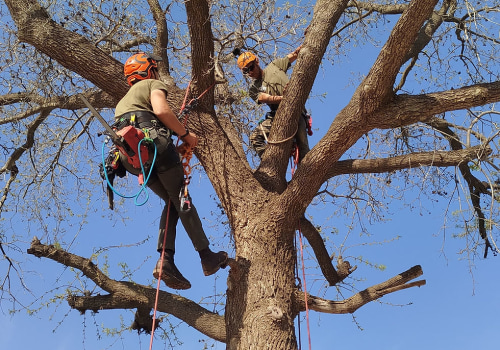
When it comes to tree maintenance for real estate assets, understanding its importance is crucial for property owners and managers alike. Trees not only enhance the aesthetic appeal of a property but also play a significant role in increasing its overall value. Well-maintained trees can create a welcoming environment, attract potential buyers or tenants, and even contribute to energy savings by providing shade and reducing cooling costs. However, neglecting tree care can lead to safety hazards, decreased property value, and costly damages. Moreover, effective tree maintenance is an essential aspect of real estate asset management.
Regular inspections and proper care can prevent issues such as disease, pest infestations, and structural damage to buildings caused by overgrown branches. By investing time and resources into maintaining trees, property owners can ensure that their investments remain safe and appealing. This proactive approach not only protects the property but also fosters a sense of community and environmental responsibility. In summary, the benefits of tree maintenance extend far beyond mere aesthetics. It is a vital component of preserving the integrity and value of real estate assets.
As we delve deeper into this topic, it is essential to recognize the common mistakes that can undermine these benefits and learn how to avoid them effectively.
Neglecting Regular Inspections
When it comes to tree maintenance for real estate assets, one of the most critical yet often overlooked aspects is the necessity of regular inspections. Failing to conduct these inspections can lead to a myriad of problems that not only affect the health of the trees but can also result in significant financial repercussions for property owners.Tree Inspection Frequency
- It is generally recommended to inspect trees at least twice a year, ideally in the spring and fall. This allows property managers to catch any potential issues before they escalate.
- After severe weather events, such as storms or heavy winds, immediate inspections are crucial to assess any damage.
Signs of Tree Health Issues
- Discoloration of leaves: Yellowing or browning leaves can indicate stress or disease.
- Dead branches: If branches are dying off, it may signal underlying health problems.
- Fungal growth: The presence of mushrooms or other fungi at the base of a tree can suggest decay.
- Cracks in the trunk: These can be signs of structural weakness and should be addressed immediately.
The Importance of Tree Inspections
Regular inspections not only help in identifying potential health issues early but also play a vital role in maintaining the aesthetic appeal and safety of the property. Trees that are not properly maintained can become hazardous, posing risks to both people and structures.
Moreover, addressing issues early on can save property owners from costly removals or extensive repairs down the line.In conclusion, neglecting regular tree inspections is a common mistake that can have serious implications for real estate assets. By prioritizing these assessments, property owners can ensure their trees remain healthy and vibrant while protecting their investment.
Improper Pruning Techniques
When it comes to tree maintenance for real estate assets, one of the most critical aspects is pruning. However, improper pruning techniques can lead to significant issues that affect both the health of the trees and the overall aesthetics of the property.Common Tree Pruning Mistakes
- Over-pruning: Removing too many branches at once can stress the tree, leading to poor growth and increased vulnerability to pests and diseases.
- Incorrect Timing: Pruning at the wrong time of year can disrupt the tree's natural growth cycle. For instance, late winter or early spring is often ideal for many species.
- Improper Cuts: Making flush cuts or leaving stubs can hinder healing and create entry points for pathogens.
Always aim for a clean cut just above a bud or branch collar.
- Neglecting Tree Species Needs: Different species have unique pruning requirements. Failing to consider these can lead to poor results and even damage.
Effects of Improper Pruning
The consequences of improper pruning extend beyond aesthetics. Trees that are poorly pruned may experience:
- Reduced Growth: Trees may struggle to grow properly, leading to stunted development and an unbalanced appearance.
- Increased Risk of Disease: Wounds from improper cuts can become infected, making trees more susceptible to diseases.
- Pest Infestation: Stressed trees attract pests, which can further compromise their health and lead to costly treatments.
By avoiding common mistakes, you can enhance the beauty and longevity of your trees, ultimately adding value to your real estate investments.
Ignoring Local Regulations and Guidelines
When it comes to tree maintenance for real estate assets, one of the most critical aspects that property owners and managers often overlook is the importance of adhering to local regulations and guidelines. Each municipality may have its own set of tree maintenance regulations that dictate how trees should be cared for, preserved, or removed. Ignoring these regulations can lead to significant consequences.Understanding Local Tree Ordinances
- Permits: Many areas require permits for tree removal or significant pruning. Failing to obtain the necessary permits can result in fines and legal issues.
- Protected Species: Some trees may be classified as protected species under local ordinances.
Removing or damaging these trees without proper authorization can lead to severe penalties.
- Maintenance Standards: Local guidelines often specify how trees should be maintained, including pruning techniques and timing. Non-compliance can affect the health of the trees and the overall landscape.
The Consequences of Non-Compliance
Neglecting to follow local tree care regulations can have far-reaching implications:
- Financial Penalties: Property owners may face hefty fines for non-compliance, which can significantly impact the budget allocated for property maintenance.
- Legal Action: In some cases, non-compliance can lead to lawsuits from neighbors or local environmental groups, further complicating property management.
- Damage to Reputation: Failing to adhere to regulations can tarnish a property’s reputation, making it less attractive to potential tenants or buyers.
Overlooking Pest and Disease Management
When it comes to tree maintenance for real estate assets, one of the most critical yet often overlooked aspects is the management of pests and diseases. Neglecting this area can lead to severe damage, not only compromising the health of the trees but also affecting the overall value and aesthetic appeal of the property.Understanding Common Tree Diseases
- Fungal Infections: These can manifest as discolored leaves, wilting, or unusual growths on the bark.
Common examples include powdery mildew and root rot.
- Bacterial Diseases: Symptoms may include leaf spots or cankers. Bacterial blight is a prevalent issue that can quickly spread if not addressed.
- Viral Infections: While less common, viruses can cause stunted growth and mottled leaves, significantly impacting tree vitality.
Identifying Signs of Tree Disease
Regular inspections are essential for early detection. Look for:
- Discoloration or wilting of leaves
- Unusual growths or lesions on the trunk
- Excessive leaf drop or dieback in branches
- Pest infestations, which often accompany diseases
Pest Management Strategies
Effective tree pests management involves a combination of preventive measures and active treatments:
- Regular Inspections: Schedule routine checks to identify any signs of pests or diseases early.
- Proper Pruning: Remove dead or infected branches to prevent the spread of disease.
- Use of Insecticides: When necessary, apply targeted treatments to manage pest populations without harming beneficial insects.
- Cultural Practices: Maintain healthy soil and watering practices to promote tree resilience against pests and diseases.
Using Inappropriate Tools and Equipment
When it comes to tree maintenance for real estate assets, using inappropriate tools and equipment can lead to significant risks, not only for the trees themselves but also for the safety of the personnel involved. Selecting the right tools is crucial for effective tree care and ensuring the longevity of your landscape investments.Risks of Using Improper Tools
- Injury: Using tools that are not designed for specific tasks can lead to accidents.
For instance, using a dull saw can cause slips and increase the likelihood of injury.
- Tree Damage: Inappropriate tools can harm the tree. For example, using a shovel instead of a spade can damage roots, leading to long-term health issues for the tree.
- Inefficiency: The wrong equipment can make tasks more difficult and time-consuming, resulting in higher labor costs and potential delays in maintenance schedules.
Recommended Tools for Tree Care
To ensure effective and safe tree maintenance, consider investing in the following tools:
- Pruning Shears: Ideal for trimming small branches and maintaining shape.
- Saws: Use a handsaw or chainsaw for larger branches; ensure they are sharp and well-maintained.
- Safety Gear: Always wear protective gear such as gloves, goggles, and helmets to prevent injuries.
- Loppers: These are perfect for reaching higher branches without needing a ladder.
- Tree Climbing Equipment: If climbing is necessary, invest in harnesses and ropes designed specifically for tree care.
Tool Safety in Tree Maintenance
Proper safety protocols should always be followed when using any equipment. Regularly inspect tools for wear and tear, and ensure that all personnel are trained in their use. This not only enhances safety but also improves efficiency during tree maintenance.By avoiding the use of inappropriate tools and investing in proper equipment, you can significantly enhance the effectiveness of your tree maintenance efforts while safeguarding both your assets and your team.
Failing to Hire Professional Help When Needed
When it comes to tree maintenance for real estate assets, one of the most significant mistakes property owners make is attempting to handle everything themselves.While DIY approaches can be tempting, there are specific scenarios where hiring professional help is not just beneficial but essential.
When to Hire Tree Professionals
Understanding when to call in the experts can save you time, money, and potential hazards. Here are some situations where professional assistance is crucial:- Large or Dangerous Trees: If a tree poses a risk of falling or is too large to manage safely, professionals have the equipment and expertise to handle it.
- Health Assessments: Professionals can accurately diagnose tree diseases or pest infestations that may not be visible to the untrained eye.
- Complex Pruning Needs: Certain trees require specialized pruning techniques that only trained arborists can provide.
Benefits of Professional Tree Care
Hiring professionals for tree maintenance offers numerous advantages:- Expertise: Certified arborists bring years of training and experience, ensuring that your trees receive the best care possible.
- Safety: Professionals are equipped with the right tools and safety gear, minimizing the risk of injury during maintenance tasks.
- Long-term Health: Regular professional care can enhance the longevity and health of your trees, ultimately increasing property value.
DIY vs. Professional Tree Maintenance
While some minor tasks like raking leaves or watering may be manageable for homeowners, more complex maintenance should be left to professionals. Attempting to perform advanced tree care without proper knowledge can lead to poor results or even damage.In contrast, professionals not only ensure that the job is done correctly but also provide ongoing advice on how to maintain your trees effectively.In conclusion, while DIY projects can be rewarding, recognizing when to hire professionals for tree maintenance for real estate assets is crucial. The benefits of expert care far outweigh the risks associated with improper maintenance, ultimately safeguarding your investment and enhancing the beauty of your property.
Conclusion: Key Takeaways for Effective Tree Maintenance on Real Estate Assets
In conclusion, effective tree maintenance for real estate assets is crucial for preserving property value and ensuring safety. By avoiding common mistakes, property managers and owners can enhance the aesthetic appeal and health of their trees, ultimately benefiting the overall landscape. Here are the key takeaways to remember:- Regular Inspections: Conducting routine inspections helps identify potential issues early, such as disease or pest infestations, allowing for timely intervention.
- Proper Pruning Techniques: Understanding the right pruning methods is essential. Avoid topping trees or making excessive cuts, as these practices can lead to long-term damage.
- Choosing the Right Species: Selecting tree species that are well-suited to the local climate and soil conditions can reduce maintenance needs and increase resilience against pests and diseases.
- Hiring Professionals: When in doubt, consult with certified arborists or tree care professionals.
Their expertise can prevent costly mistakes and ensure that maintenance is performed correctly.
- Avoiding Overwatering: While trees need water, overwatering can lead to root rot and other issues. Understanding the specific water needs of each species is vital.