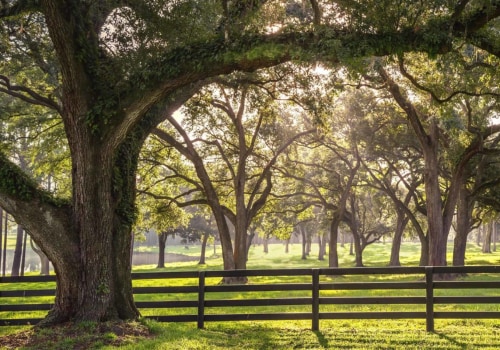
Tree maintenance is a critical aspect of property management that often goes overlooked, yet it plays a vital role in enhancing the overall appeal and value of real estate assets. Proper tree care for real estate not only ensures the health and longevity of trees but also contributes significantly to the aesthetic charm of a property. Well-maintained trees can create inviting landscapes that attract potential tenants or buyers, making it essential for property owners to prioritize this aspect of their investment. The importance of tree maintenance extends beyond mere aesthetics; it also encompasses safety and environmental benefits. Regular maintenance helps prevent hazards such as falling branches or tree diseases that could pose risks to residents and visitors.
Moreover, healthy trees improve air quality, provide shade, and can even reduce energy costs by lowering temperatures around buildings. These factors collectively enhance the desirability of a property, making it more competitive in the real estate market. Incorporating a budget for tree maintenance for real estate assets is not just an expense; it is an investment in the property's future. By allocating resources for regular inspections, pruning, and disease management, property owners can ensure their trees remain healthy and vibrant. This proactive approach not only preserves the beauty of the landscape but also safeguards the value of the asset over time, ultimately leading to higher returns on investment.
The Financial Implications of Neglecting Tree Maintenance
Neglecting tree maintenance for real estate assets can lead to significant financial repercussions that property owners may not immediately recognize.The costs associated with failing to maintain trees can manifest in various ways, impacting both the property and its value.
Cost of Neglecting Trees
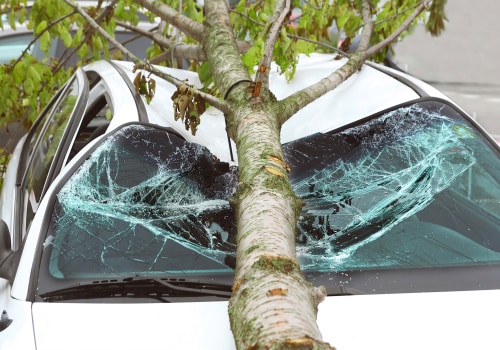
- Property Damage: Overgrown or unhealthy trees can cause severe damage to structures, including roofs, windows, and siding. The cost of repairs can quickly escalate, often reaching thousands of dollars.
- Liability Issues: If a tree falls and injures someone or damages another property, the owner may face legal liabilities. This can result in costly lawsuits and insurance claims that could have been avoided with proper maintenance.
- Decreased Property Value: A well-maintained landscape enhances curb appeal and can significantly increase property value. Conversely, neglected trees can detract from the aesthetic appeal, leading to lower market value.
Financial Impact of Tree Maintenance
Investing in regular tree maintenance is not merely an expense; it is a proactive measure that can save property owners money in the long run.
Routine inspections and care can prevent the escalation of issues that lead to costly repairs. For instance, pruning trees regularly helps maintain their health and reduces the risk of falling branches during storms.
Tree Damage Costs
The financial impact of tree damage can be staggering. According to industry estimates, the cost of removing a fallen tree can range from $500 to $1,500, depending on its size and location. Additionally, if a tree causes damage to a home or vehicle, repair costs can easily exceed several thousand dollars.In conclusion, the financial implications of neglecting tree maintenance are profound.
By allocating a budget for regular tree care, real estate asset owners not only protect their investment but also enhance the overall value and safety of their properties.
Creating a Tree Maintenance Budget: Key Considerations
Creating a budget for tree maintenance for real estate assets is essential for ensuring the health and longevity of trees on your property. A well-planned budget not only helps in managing costs but also enhances the overall value of the real estate. Here are some key considerations to keep in mind when developing your tree maintenance budget:- Type of Trees: Different species have varying maintenance needs. For instance, hardwoods may require less frequent pruning compared to softwoods.
Understanding the specific requirements of the trees on your property will help in estimating costs accurately.
- Location: The geographical location can significantly impact maintenance costs. Areas prone to severe weather may require more frequent inspections and services, while urban settings might have additional regulations and fees.
- Service Frequency: Determine how often you will need tree services such as pruning, fertilization, and pest control. Regular maintenance can prevent larger issues down the line, but it’s important to balance frequency with budget constraints.
- Professional vs. DIY: While some tree care tasks can be performed by property owners, hiring professionals ensures safety and expertise.
Factor in the cost of hiring certified arborists or tree care companies when budgeting.
- Emergency Services: Allocate a portion of your budget for unexpected tree emergencies, such as storm damage or disease outbreaks. This can save you from incurring significant costs later on.
Types of Tree Maintenance Services to Include in Your Budget
When managing tree maintenance for real estate assets, it’s essential to consider various services that contribute to the health and aesthetics of your property.Here are some key types of tree maintenance services to include in your budget:
- Tree Pruning: Regular pruning is vital for maintaining the shape and health of trees. It helps remove dead or diseased branches, promotes healthy growth, and enhances the overall appearance of your landscape. The cost of tree trimming can vary based on the size and type of tree, typically ranging from $200 to $1,000.
- Tree Removal: In cases where a tree poses a risk to property or is beyond saving, removal becomes necessary. This service can be costly, especially for large trees or those in difficult locations.
Expect to budget anywhere from $300 to $2,000 for tree removal, depending on the complexity of the job.
- Health Assessments: Regular health assessments by a certified arborist can help identify potential issues before they become serious problems. These assessments may include soil testing and disease diagnosis, which can save you money in the long run by preventing costly removals or treatments.
- Pest and Disease Management: Trees can be susceptible to various pests and diseases that may require treatment. Budgeting for pest control services ensures that your trees remain healthy and vibrant. Costs can vary widely based on the treatment required.
By proactively managing tree health, you can avoid unexpected expenses and maintain an attractive landscape that appeals to potential buyers or tenants.
How to Find Reliable Tree Maintenance Services
Finding reliable tree maintenance services is crucial for maintaining the health and aesthetics of your real estate assets. Here are some effective strategies to help you identify and evaluate potential tree care companies:- Research Local Providers: Start by searching online for tree service providers in your area. Look for companies with positive reviews and a solid reputation. Websites like Yelp, Google Reviews, and Angie's List can provide valuable insights from previous customers.
- Check Credentials: Ensure that the tree maintenance professionals you consider are licensed and insured.
This protects you from liability in case of accidents during the job. Additionally, certifications from organizations like the International Society of Arboriculture (ISA) indicate a commitment to industry standards.
- Request Quotes: Contact multiple companies to obtain detailed quotes. This will not only give you an idea of the market rate but also allow you to compare services offered. Be wary of quotes that seem unusually low, as they may indicate subpar work or hidden costs.
- Ask About Experience: Inquire about the company’s experience with specific tree maintenance tasks relevant to your property, such as pruning, removal, or disease management.
A company with a proven track record in handling similar projects is more likely to deliver satisfactory results.
- Evaluate Customer Service: Pay attention to how responsive and professional the company is during your initial interactions. A reliable tree service provider should be willing to answer your questions and provide clear explanations about their services.
FAQs About Tree Maintenance for Real Estate Assets
When it comes to tree maintenance for real estate assets, property managers and owners often have several questions. Here are some of the most frequently asked questions regarding tree care in the context of real estate management:- Why is tree maintenance important for real estate?
Proper tree maintenance enhances the aesthetic appeal of a property, increases its value, and ensures safety by preventing potential hazards such as falling branches. - How often should trees be maintained?
The frequency of maintenance depends on the type of trees and their location. Generally, a yearly inspection is recommended, with additional care during storm seasons or after severe weather events. - What are the signs that a tree needs maintenance?
Look for signs such as dead branches, peeling bark, or unusual growth patterns.If a tree appears unhealthy or poses a risk to nearby structures, it’s time to consult a professional.
- Can I perform tree maintenance myself?
While minor tasks like pruning can be done by homeowners, it’s advisable to hire professionals for larger jobs to ensure safety and proper techniques are used. - What costs are associated with tree maintenance?
Costs can vary widely based on the size and condition of the trees, as well as the services required. Budgeting for regular inspections and maintenance can prevent more costly issues down the line. - Are there any legal requirements for tree maintenance?
Local regulations may dictate certain maintenance practices, especially if trees are near public spaces or utility lines. It’s essential to check local laws to ensure compliance.
Conclusion: The Necessity of a Tree Maintenance Budget in Real Estate Management
In conclusion, establishing a budget for tree maintenance for real estate assets is not just a financial consideration; it is a strategic necessity. The health and appearance of trees on a property can significantly influence its overall value and appeal.By allocating funds specifically for tree care, property managers and owners can ensure that their landscapes remain vibrant and well-maintained.Throughout this article, we have explored several key reasons why a dedicated budget is essential:
- Preventive Care: Regular maintenance helps prevent costly emergencies, such as tree removal or damage to property caused by falling branches.
- Enhanced Aesthetic Value: Well-maintained trees contribute to the visual appeal of a property, attracting potential buyers or tenants.
- Environmental Benefits: Healthy trees improve air quality, provide shade, and support local wildlife, enhancing the ecological value of the real estate.
- Compliance with Regulations: Many municipalities have regulations regarding tree care; budgeting for maintenance ensures compliance and avoids fines.
By prioritizing tree care, real estate professionals can enhance their properties' appeal while safeguarding their investments against unforeseen issues.