When it comes to managing real estate assets, the importance of tree maintenance cannot be overstated. Trees not only enhance the aesthetic appeal of a property but also contribute significantly to its overall value. However, not all trees are created equal in terms of their maintenance needs. Understanding which types of trees require more frequent care is essential for property owners and real estate investors alike. Regular tree care is crucial for ensuring the health and longevity of trees on a property.
Neglecting this aspect can lead to safety hazards, such as falling branches or even entire trees, which can pose risks to both people and structures. Moreover, well-maintained trees can improve energy efficiency by providing shade in the summer and windbreaks in the winter, further enhancing the value of real estate assets. In this context, it’s vital to recognize that certain species may demand more attention than others. For instance, fast-growing trees often require more frequent pruning and monitoring for pests and diseases. By understanding these nuances, property owners can make informed decisions about their landscaping choices, ensuring that their investments remain safe and valuable over time.
Types of Trees Commonly Found on Real Estate Properties
When it comes to tree maintenance for real estate assets, understanding the types of trees commonly found on properties is crucial.Different species have varying maintenance needs, which can significantly impact property management and aesthetics. Here are some of the most common tree species found in residential and commercial real estate:
- Maple Trees: Known for their vibrant fall colors, maples require regular pruning to maintain their shape and health. They are susceptible to pests like aphids, which may necessitate additional care.
- Oak Trees: These majestic trees provide shade and beauty but can be high-maintenance due to their size. Regular inspections for diseases such as oak wilt are essential to prevent widespread issues.
- Pine Trees: While generally low-maintenance, pines can suffer from needle drop and pest infestations. Regular cleaning of fallen needles and monitoring for pests is recommended.
- Cypress Trees: Often used in landscaping for their unique appearance, cypress trees require consistent watering and can be prone to root rot if not properly maintained.
- Fruit Trees: Varieties like apple and cherry trees not only enhance property value but also demand frequent care, including pruning, pest control, and fertilization to ensure healthy fruit production.
By proactively managing these trees, real estate assets can maintain their aesthetic appeal and value over time.
High-Maintenance Tree Species and Their Needs
When it comes to tree maintenance for real estate assets, understanding which tree species require more frequent care is crucial for property owners. Certain trees are notorious for their high maintenance needs, often demanding more attention in terms of pruning, pest control, and overall health management.Common High-Maintenance Tree Species
- Willow Trees: Known for their beautiful, sweeping branches, willows require regular pruning to maintain their shape and prevent breakage. They are also susceptible to pests like aphids and caterpillars, necessitating vigilant monitoring.
- Maple Trees: While stunning in the fall, maples can suffer from issues such as leaf spot and root rot. Regular inspections and timely interventions are essential to keep them healthy.
- Birch Trees: Birch trees are prone to a variety of diseases, including birch borer infestations.
They require consistent care, including proper watering and disease management strategies.
- Pine Trees: Pines can be affected by needle blight and other fungal diseases. Regular cleaning of fallen needles and appropriate fungicide applications can help mitigate these issues.
Unique Care Requirements
Each of these species has unique care requirements that can impact the overall maintenance schedule for real estate assets:- Pruning: Regular pruning is essential for maintaining the health and aesthetics of high-maintenance trees. This not only promotes growth but also reduces the risk of falling branches.
- Pest Management: Many high-maintenance trees attract pests that can cause significant damage if left unchecked. Implementing an integrated pest management plan is vital.
- Soil Health: Ensuring that the soil is nutrient-rich and well-drained is crucial for the health of these trees.
Regular soil testing can help identify deficiencies that need to be addressed.
Factors Influencing Tree Maintenance Frequency
When it comes to tree maintenance for real estate assets, several factors can significantly influence how often trees require attention. Understanding these factors is crucial for property owners and managers to ensure the health and longevity of their trees.Environmental Conditions
The surrounding environment plays a pivotal role in determining the maintenance frequency of trees. Key environmental factors include:- Soil Quality: Nutrient-rich soil promotes healthy growth, while poor soil can lead to stress and increased vulnerability to pests and diseases.
- Climate: Trees in regions with extreme weather conditions, such as heavy rainfall or prolonged drought, may require more frequent maintenance to address issues like root rot or dehydration.
- Sunlight Exposure: Trees that receive inadequate sunlight may develop weak branches and require regular pruning to maintain their structure.
Tree Health Indicators
Monitoring the health of trees is essential for determining maintenance needs.Some indicators that suggest a tree may need more frequent care include:
- Leaf Discoloration: Yellowing or browning leaves can indicate nutrient deficiencies or disease, necessitating immediate attention.
- Pest Infestation: Visible signs of pests, such as holes in leaves or sticky residue, can signal that a tree requires treatment to prevent further damage.
- Branch Dieback: If branches are dying back, it may be a sign of underlying health issues that need to be addressed through pruning or other interventions.
Seasonal Considerations for Tree Maintenance
Understanding the seasonal effects on trees is crucial for effective tree maintenance for real estate assets. Each season presents unique challenges and opportunities for tree care, influencing growth patterns, health, and overall maintenance needs.Spring: Awakening and Growth
As trees emerge from dormancy in spring, they require careful attention. This is the ideal time for:- Pruning: Remove dead or damaged branches to promote healthy growth.
- Fertilization: Apply a balanced fertilizer to support new growth.
- Pest Control: Monitor for pests that become active as temperatures rise.
Summer: Maintenance and Monitoring
During the summer months, trees are in full leaf and require consistent care:- Watering: Ensure adequate moisture, especially during dry spells.
- Pest Management: Continue monitoring for pests and diseases that thrive in warm weather.
- Mulching: Apply mulch to retain soil moisture and regulate temperature.
Fall: Preparation for Dormancy
As temperatures cool, fall is a critical time for preparing trees for winter:- Pruning: Conduct any necessary pruning to shape trees before they enter dormancy.
- Soil Testing: Test soil pH and nutrient levels to plan for spring fertilization.
- Leaf Cleanup: Rake fallen leaves to prevent fungal diseases.
winter: Dormancy and Protection
In winter, trees are dormant, but maintenance is still essential:- Inspection: Check for signs of damage from snow or ice accumulation.
- Protection: Wrap young trees to protect them from harsh winter conditions.
- Pest Control: Monitor for overwintering pests that may affect tree health in spring.
Cost Implications of Tree Maintenance on Real Estate Assets
Maintaining trees on real estate assets is not just about aesthetics; it has significant cost implications that can affect the overall financial health of a property.Understanding these costs is essential for property owners and managers who want to maximize their investment.
Cost of Tree Maintenance
- Routine Care: Regular maintenance, including pruning, fertilization, and pest control, can range from $200 to $1,000 annually per tree, depending on the species and size.
- Emergency Services: In cases of storm damage or disease, emergency tree removal can cost anywhere from $500 to $2,000, significantly impacting your budget.
- Long-term Investment: While initial costs may seem high, investing in tree care can lead to lower long-term expenses by preventing larger issues down the line.
Budgeting for Tree Care
When budgeting for tree maintenance, it’s crucial to consider both routine and unexpected expenses. Property owners should allocate a specific percentage of their overall maintenance budget to tree care. A good rule of thumb is to set aside 5-10% of your total landscaping budget for tree-related expenses. This proactive approach helps mitigate financial surprises and ensures that trees remain healthy and safe.
Financial Impact of Trees on Property Value
The presence of well-maintained trees can significantly enhance property value.
Studies have shown that properties with mature trees can sell for 10-20% more than similar properties without them. This increase in value often offsets the costs associated with tree maintenance. Additionally, well-maintained trees contribute to energy savings by providing shade and reducing cooling costs during hot months.In conclusion, while the costs associated with tree maintenance on real estate assets can be substantial, the long-term benefits—both financial and aesthetic—make it a worthwhile investment. By understanding these cost implications and budgeting accordingly, property owners can ensure their investments thrive.
Best Practices for Managing Tree Maintenance in Real Estate
Managing tree maintenance for real estate assets is crucial for preserving property value and ensuring safety.Here are some best practices to consider:
- Regular Inspections: Schedule routine inspections at least twice a year to assess the health of trees on your property. Look for signs of disease, pest infestations, or structural issues.
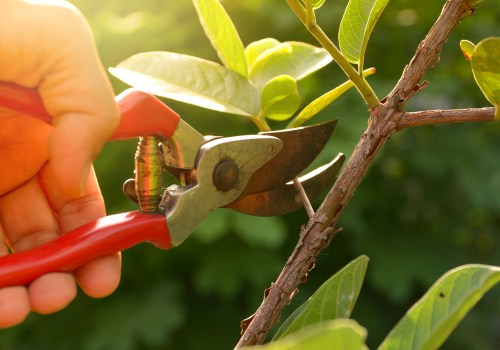
- Pruning and Trimming: Implement a pruning schedule to remove dead or overgrown branches. This not only enhances the aesthetic appeal but also promotes healthy growth and reduces the risk of falling limbs.
- Watering and Fertilization: Ensure trees receive adequate water, especially during dry spells. Consider using slow-release fertilizers to provide essential nutrients without overwhelming the root system.
- Pest Management: Stay vigilant against pests that can damage trees.
Employ integrated pest management (IPM) strategies that include monitoring, biological control, and, if necessary, targeted pesticide use.
- Consulting Professionals: For larger trees or complex issues, hire certified arborists. Their expertise can help in making informed decisions about tree care and maintenance.
FAQs About Tree Maintenance for Real Estate Assets
When it comes to tree maintenance for real estate assets, property owners often have several questions. Here are some of the most frequently asked questions regarding tree care and maintenance:What types of trees require more frequent maintenance?
Certain species of trees are known for their rapid growth and extensive root systems, which can lead to increased maintenance needs. For example:- Willow Trees: These trees grow quickly and require regular pruning to manage their size and prevent damage to nearby structures.
- Maple Trees: Known for their beautiful foliage, maples can also be prone to diseases that necessitate frequent inspections and care.
- Pine Trees: These trees can shed needles and branches, requiring regular cleanup and maintenance to keep properties looking tidy.
How often should I inspect my trees?
It is advisable to inspect your trees at least twice a year, ideally in the spring and fall.This allows you to catch any potential issues early, such as disease or pest infestations, which can affect the health of your trees and the overall value of your property.
What are the signs that a tree needs maintenance?
Property owners should be vigilant for several signs that indicate a tree may need attention:- Dead or Dying Branches: If branches are brittle or lack leaves, they may need to be pruned or removed.
- Fungal Growth: The presence of mushrooms or other fungi at the base of a tree can indicate decay.
- Cracks in the Bark: Cracks or splits can signal structural issues that require professional evaluation.
Conclusion: The Importance of Proactive Tree Maintenance in Real Estate Management
In conclusion, proactive tree maintenance is not just a matter of aesthetics; it is a crucial aspect of managing real estate assets. The health and appearance of trees can significantly influence property value, curb appeal, and even the safety of the surrounding environment. By understanding the specific needs of different tree species, property managers can implement tailored maintenance strategies that ensure longevity and vitality.Regular assessments and maintenance activities such as pruning, pest management, and disease control are essential. Neglecting these tasks can lead to serious consequences, including:- Increased risk of property damage: Overgrown or diseased trees can pose hazards to structures and people.
- Decreased property value: Unkempt landscapes can deter potential buyers or tenants.
- Higher long-term costs: Reactive maintenance often leads to more expensive interventions compared to regular upkeep.
For instance, fast-growing trees like willows or poplars may need annual pruning to maintain their shape and health. In contrast, hardwoods like oaks may require less frequent but more intensive care.Ultimately, investing in tree maintenance for real estate assets not only enhances the visual appeal of a property but also contributes to its overall health and safety. By prioritizing proactive measures, property owners can ensure that their investments remain valuable and attractive for years to come.