Tree maintenance is a critical aspect of property management that often goes overlooked, yet it plays a vital role in enhancing the overall appearance and value of real estate assets. Proper tree care not only ensures the health and longevity of trees but also significantly contributes to the aesthetic appeal of a property. Well-maintained trees can create a welcoming atmosphere, improve curb appeal, and even increase property values, making them an essential consideration for homeowners and real estate investors alike. The importance of tree maintenance extends beyond mere aesthetics; it encompasses the health of the trees themselves. Regular pruning, fertilization, and pest management are crucial practices that help maintain tree vitality.
Healthy trees are more resilient to diseases and environmental stressors, which in turn enhances their visual impact on the landscape. A thriving tree can serve as a focal point in a garden or yard, drawing attention and admiration from potential buyers or visitors. Moreover, investing in tree health through consistent maintenance can prevent costly issues down the line. Neglected trees may suffer from diseases or structural weaknesses that could lead to safety hazards or expensive removals. By prioritizing tree care, property owners not only safeguard their investment but also contribute positively to the community's overall landscape.
In essence, effective tree maintenance is not just about keeping trees looking good; it is about fostering a healthy environment that enhances the value and appeal of real estate assets.
The Role of Trees in Real Estate Value
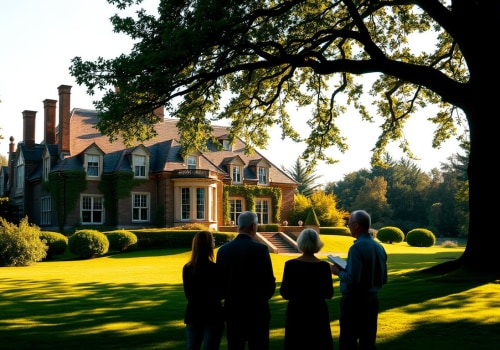
Trees play a crucial role in enhancing the overall value of real estate assets. Their presence not only contributes to the aesthetic appeal of a property but also influences buyer perception significantly. When potential buyers approach a home, the first impression is often shaped by the landscaping, and trees are a vital component of this.Curb appeal
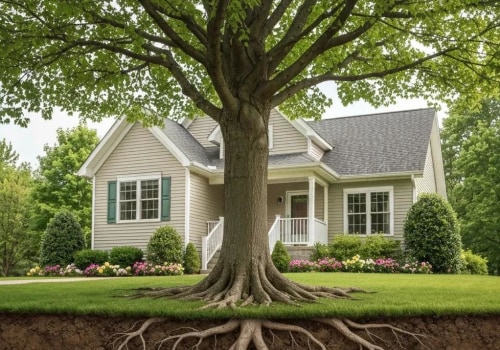
is a term frequently used in real estate to describe how attractive a property looks from the street. Well-maintained trees can dramatically increase curb appeal, making a property more inviting and desirable.A lush, green landscape with mature trees can create a sense of tranquility and stability, which are qualities that many buyers seek.
- Increased Property Value: Studies have shown that properties with well-maintained trees can sell for up to 15% more than similar properties without trees. This increase is often attributed to the perceived value that trees add to the environment.
- Environmental Benefits: Trees provide shade, reduce energy costs, and improve air quality, all of which are attractive features for potential buyers. A property that offers these benefits is likely to stand out in a competitive market.
- Community Appeal: Properties located in neighborhoods with abundant greenery and well-kept trees often enjoy higher demand. Buyers are drawn to communities that prioritize landscaping and tree maintenance, as these factors contribute to an overall sense of well-being.
Mature trees are often preferred over younger ones because they provide immediate benefits and aesthetic value. Buyers may perceive properties with established trees as more valuable due to the time and effort required to cultivate such landscapes.In conclusion, tree maintenance for real estate assets is not just about keeping the landscape tidy; it is an investment in the property's future value. By ensuring that trees are healthy and well-maintained, property owners can enhance their real estate's appeal and marketability, ultimately leading to higher sale prices and quicker transactions.
Aesthetic Benefits of Proper Tree Maintenance
When it comes to enhancing the visual appeal of real estate assets, the role of trees cannot be overstated. Proper tree maintenance not only ensures the health and longevity of these natural features but also significantly contributes to the overall aesthetics of a property.Aesthetic Benefits of Trees
- Improved Curb Appeal: Well-maintained trees create a welcoming atmosphere, making properties more inviting to potential buyers and renters.
A lush, green landscape can evoke feelings of tranquility and comfort.
- Seasonal Beauty: Trees offer dynamic beauty throughout the seasons. From vibrant spring blossoms to rich autumn foliage, properly cared-for trees provide a constantly changing backdrop that enhances the property's charm.
- Framing and Focal Points: Strategically placed trees can frame a home or create focal points in a garden, drawing attention to architectural features and landscaping elements. This thoughtful arrangement can elevate the overall design of the property.
Visual Appeal of Properties
The visual impact of trees extends beyond their immediate surroundings. Properties with healthy, well-maintained trees often stand out in listings and attract more interest.
Buyers are increasingly looking for homes that offer not just shelter but also a connection to nature. A well-landscaped yard with thriving trees can significantly increase perceived value.
Landscaping Aesthetics
Incorporating tree maintenance into regular landscaping practices is essential for achieving a cohesive look. Regular pruning, disease management, and proper watering ensure that trees remain vibrant and healthy. This attention to detail reflects positively on the property as a whole, suggesting that it has been well cared for.In conclusion, investing in tree maintenance for real estate assets is not just about preserving nature; it’s about enhancing the aesthetic appeal that can lead to quicker sales and higher rental values.
A beautiful landscape featuring well-maintained trees is an asset that pays dividends in the competitive real estate market.
Tree Maintenance Techniques for Real Estate Owners
Effective tree maintenance for real estate assets is essential for enhancing the visual appeal and overall value of a property. Implementing proper tree care techniques can significantly impact how potential buyers or renters perceive a real estate asset. Here are some key techniques that real estate owners should consider:- Pruning: Regular pruning is crucial for maintaining the health and aesthetics of trees. It involves removing dead or overgrown branches to promote better air circulation and sunlight penetration.
This not only improves the tree's appearance but also reduces the risk of disease and pest infestations.
- Fertilization: Trees require essential nutrients to thrive. Applying the right type of fertilizer can enhance growth, improve foliage color, and increase resistance to pests and diseases. Real estate owners should consider soil testing to determine the specific nutrient needs of their trees.
- Pest Control: Keeping trees free from pests is vital for their health and appearance. Regular inspections can help identify early signs of infestation.
Utilizing integrated pest management (IPM) strategies, such as introducing beneficial insects or using organic pesticides, can effectively control pests while minimizing harm to the environment.
Common Tree Maintenance Mistakes to Avoid
Maintaining trees on real estate properties is crucial for enhancing their aesthetic appeal and overall value. However, many property owners make common tree maintenance mistakes that can lead to detrimental effects.Here are some pitfalls to avoid:
- Neglecting Regular Inspections: Failing to regularly inspect trees can result in unnoticed diseases or pest infestations. Early detection is key to preventing larger issues that can compromise the health of the tree and the beauty of the landscape.
- Improper Pruning Techniques: Over-pruning or incorrect pruning can lead to weak growth and unsightly shapes. It’s essential to understand the right techniques for each tree species to promote healthy growth and maintain an attractive appearance.
- Ignoring Soil Health: Trees require nutrient-rich soil for optimal growth. Neglecting soil health can lead to poor tree development, which negatively impacts the visual appeal of the property.
- Using Inappropriate Mulching Practices: Applying too much mulch or using the wrong type can suffocate roots and create a breeding ground for pests.
Proper mulching helps retain moisture and supports healthy tree growth.
- Overwatering or Underwatering: Both overwatering and underwatering can stress trees, leading to poor health and unattractive foliage. Understanding the specific water needs of each tree species is vital.
The Environmental Impact of Tree Maintenance on Real Estate
Maintaining trees is not just about aesthetics; it plays a crucial role in enhancing the environmental quality surrounding real estate assets.Healthy trees
contribute significantly to the ecosystem, providing numerous benefits that can elevate the appeal and value of properties.Environmental Benefits of Trees
- Air Quality Improvement: Trees act as natural air filters, absorbing pollutants and releasing oxygen.
This leads to cleaner air, which is a vital selling point for potential buyers.
- Temperature Regulation: Well-maintained trees provide shade, reducing the urban heat island effect. This can lower energy costs for cooling homes, making properties more attractive to eco-conscious buyers.
- Stormwater Management: Trees help absorb rainwater, reducing runoff and minimizing the risk of flooding. This is particularly important in areas prone to heavy rainfall, enhancing the sustainability of real estate assets.
Sustainability in Real Estate
Incorporating tree maintenance into property management aligns with the growing trend of sustainability in real estate. Buyers are increasingly looking for properties that demonstrate a commitment to environmental stewardship.
By investing in eco-friendly landscaping, property owners can showcase their dedication to preserving natural resources while enhancing the overall appeal of their assets.
Eco-Friendly Landscaping
Effective tree maintenance is a cornerstone of eco-friendly landscaping practices. This includes regular pruning, disease management, and proper watering techniques that ensure trees thrive. Such practices not only improve the visual landscape but also promote biodiversity by providing habitats for various species. A well-maintained landscape with healthy trees can significantly increase property values and attract environmentally conscious buyers.In conclusion, the environmental impact of tree maintenance extends far beyond mere aesthetics.
By prioritizing tree care, real estate owners can enhance their properties' appeal while contributing positively to the environment, making it a win-win situation for both investors and the community.
FAQs About Tree Maintenance for Real Estate Assets
When it comes to tree maintenance for real estate assets, many property owners have questions about the best practices and benefits. Here are some frequently asked questions that can help clarify the importance of proper tree care.What are the benefits of regular tree maintenance?
Regular tree maintenance not only enhances the aesthetic appeal of a property but also contributes to the overall health of the trees. Healthy trees can increase property value, improve curb appeal, and provide shade, which can lower energy costs. Additionally, well-maintained trees are less likely to suffer from diseases or pest infestations.How often should trees be pruned?
The frequency of pruning depends on the type of tree and its growth rate.Generally, it is recommended to prune trees at least once a year. However, some fast-growing species may require more frequent attention. Regular pruning helps maintain shape, remove dead or diseased branches, and promote healthy growth.
What signs indicate a tree needs maintenance?
- Dead or dying branches: If branches are brittle or lack leaves, they may need to be removed.
- Pest infestations: Visible signs of pests can indicate that a tree requires immediate attention.
- Fungal growth: Mushrooms or other fungi growing at the base of a tree can signal decay.
- Uneven growth: Trees that are leaning or have uneven canopies may need corrective pruning.
Can tree maintenance affect property value?
Absolutely! Well-maintained trees can significantly enhance the value of real estate assets. Properties with healthy, attractive landscaping often sell faster and at higher prices.Potential buyers are drawn to homes with mature trees that provide shade and beauty, making tree maintenance an essential investment for property owners.
Is professional help necessary for tree maintenance?
While some basic maintenance tasks can be performed by homeowners, hiring a professional arborist is advisable for more complex jobs. Professionals have the expertise to assess tree health accurately and perform necessary treatments safely. This ensures that trees remain healthy and do not pose risks to property or people.In summary, understanding these common questions about tree maintenance for real estate assets can help property owners make informed decisions that enhance both the beauty and value of their properties.Conclusion: The Lasting Impact of Tree Maintenance on Real Estate Appearance
In conclusion, tree maintenance for real estate assets plays a pivotal role in shaping the overall appearance and value of properties. As we have explored throughout this article, well-maintained trees not only enhance the aesthetic appeal of a property but also contribute significantly to its market value.Investing in regular tree care, including pruning, disease management, and proper planting techniques, can lead to numerous benefits:- Enhanced Curb Appeal: A well-kept landscape with healthy trees creates an inviting atmosphere that attracts potential buyers and tenants.
- Increased Property Value: Properties with mature, well-maintained trees often command higher prices in the real estate market.
- Environmental Benefits: Healthy trees improve air quality, provide shade, and reduce energy costs, making properties more appealing to environmentally conscious buyers.
- Safety and Liability Reduction: Regular maintenance helps prevent hazards such as falling branches, which can lead to accidents and liability issues.
Properties surrounded by lush greenery and well-maintained trees foster a sense of tranquility and well-being. This emotional appeal can be a decisive factor for buyers when choosing a home or investment property.Ultimately, the impact of tree maintenance extends beyond mere aesthetics; it is an essential component of property management that can lead to long-term financial benefits. By prioritizing tree care, property owners can ensure their real estate assets not only look their best but also retain their value over time.