In the realm of real estate asset management, the significance of tree maintenance cannot be overstated. Trees are not merely decorative elements; they play a crucial role in enhancing the aesthetic appeal and overall value of a property. Well-maintained trees can create a welcoming environment, attract potential buyers, and even increase the market value of a property. Conversely, neglected trees can lead to safety hazards, such as falling branches or disease spread, which can deter prospective tenants or buyers. Moreover, the benefits of tree maintenance extend beyond mere aesthetics.
Healthy trees contribute to improved air quality, provide shade that can reduce energy costs, and enhance biodiversity by supporting local wildlife. For real estate investors and property managers, investing in regular tree care is not just about maintaining appearances; it’s about safeguarding their investment and ensuring long-term sustainability. As we delve deeper into the tools and equipment essential for effective tree maintenance, it’s important to recognize that these practices are integral to preserving the health of trees and, by extension, the value of real estate assets. Understanding the importance of tree maintenance is the first step in implementing a comprehensive management strategy that prioritizes both safety and beauty.
Essential Tools for Tree Maintenance
Effective tree maintenance for real estate assets requires a variety of tools and equipment tailored to different tasks. Understanding these tools can significantly enhance the health and appearance of trees on your property.Hand Tools
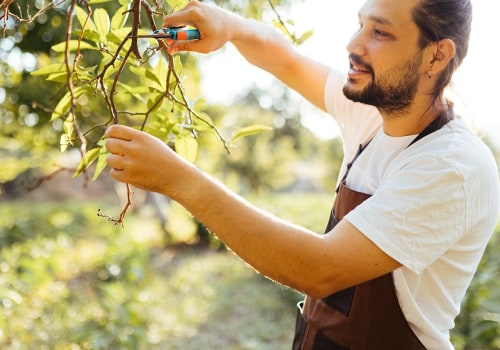
- Pruning Shears: Ideal for trimming small branches and shaping trees, pruning shears are essential for maintaining tree health and aesthetics.
- Loppers: These are larger than pruning shears and are used for cutting thicker branches that are difficult to reach.
- Saws: A hand saw or a pole saw is necessary for larger branches that require more power than loppers can provide.
- Rakes and Shovels: Useful for clearing debris around the base of trees, ensuring proper drainage and reducing pest habitats.
Power Tools
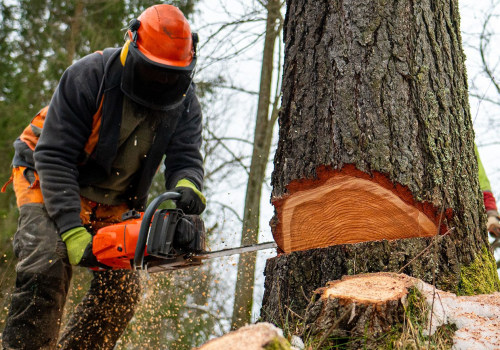
- Chainsaws: For significant tree maintenance tasks, such as removing large branches or even entire trees, a chainsaw is indispensable.
It’s crucial to use this tool with caution and proper training.
- Hedge Trimmers: These are perfect for maintaining the shape of smaller trees and shrubs, providing a neat appearance to your landscape.
Safety Equipment
- Protective Gear: Always wear safety goggles, gloves, and helmets when using power tools to protect against injuries.
- First Aid Kit: Having a first aid kit on hand is essential in case of any accidents during tree maintenance activities.
Hand Tools Used in Tree Maintenance
When it comes to tree maintenance for real estate assets, having the right hand tools is essential for ensuring the health and aesthetics of trees. These tools not only facilitate effective care but also enhance safety during maintenance tasks. Below are some of the most common hand tools used in tree care:- Pruning Shears: These are essential for making precise cuts on small branches and stems.
Pruning shears come in various types, including bypass and anvil shears, each designed for specific cutting tasks. Bypass shears are ideal for live wood, while anvil shears work better on dead branches.
- Loppers: For larger branches that are too thick for pruning shears, loppers provide the necessary leverage. They typically have long handles that allow users to cut branches up to two inches in diameter with ease. This tool is particularly useful for maintaining the shape and health of trees by removing excess growth.
- Hand Saws: When dealing with thicker branches or when a cleaner cut is required, hand saws become indispensable.
They come in various sizes and tooth configurations, making them suitable for different types of cuts. A good hand saw can help prevent damage to the tree by ensuring clean cuts that promote faster healing.
Power Tools for Efficient Tree Care
When it comes to tree maintenance for real estate assets, utilizing the right power tools can significantly enhance efficiency and effectiveness. Among the most essential tools are chainsaws, pole saws, and stump grinders, each designed to tackle specific tasks with ease.Chainsaws
Chainsaws are indispensable for cutting down large trees or trimming thick branches.Their powerful motors allow for quick cuts, making them ideal for both residential and commercial properties. When selecting a chainsaw, consider the size of the trees you will be working with and choose between gas-powered or electric models based on your needs. Gas-powered chainsaws offer more mobility and power, while electric models are quieter and easier to maintain.
Pole Saws
Pole saws extend your reach, allowing you to trim high branches without the need for ladders. This tool is particularly useful for maintaining trees in tight spaces or near structures, ensuring safety while performing necessary upkeep.Many pole saws come with adjustable lengths and can be either manual or powered, providing flexibility depending on the job at hand.
Stump Grinders
After a tree has been removed, dealing with the remaining stump can be a challenge.Stump grinders
are specialized machines designed to grind down stumps below ground level, allowing for a clean slate for landscaping or construction. These machines vary in size and power, from small handheld models suitable for residential use to larger commercial units capable of handling multiple stumps quickly.Incorporating these power tools into your tree maintenance for real estate assets strategy not only saves time but also ensures that tasks are completed safely and effectively. Proper training and safety gear are essential when operating these tools to prevent accidents and injuries.Safety Equipment for Tree Maintenance
When it comes to tree maintenance for real estate assets, ensuring the safety of workers is paramount.The nature of tree work involves various hazards, including falling branches, sharp tools, and the risk of falls. Therefore, investing in proper safety equipment is not just a recommendation; it’s a necessity.
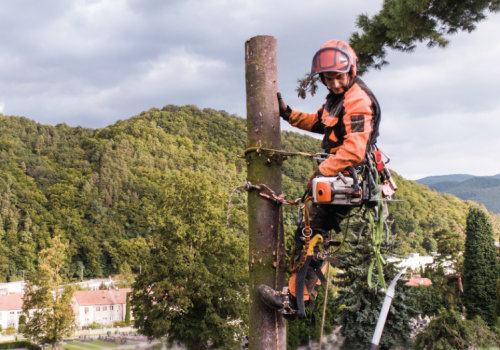
- Helmets: A hard hat is essential for protecting the head from falling debris. Look for helmets that meet safety standards and include features like face shields or ear protection for added safety.
- Gloves: Durable gloves are crucial for protecting hands from cuts, scrapes, and blisters. Opt for gloves that provide a good grip while allowing dexterity to handle tools effectively.
- Harnesses: For tasks that involve climbing or working at heights, a safety harness is vital.
A well-fitted harness can prevent serious injuries in case of a fall. Ensure that the harness is compatible with other climbing gear and meets safety regulations.
- Eye Protection: Safety goggles or glasses should be worn to protect against flying debris and wood chips. Choose options that offer a snug fit and are resistant to fogging.
- Footwear: Steel-toed boots with slip-resistant soles are recommended to protect feet from heavy falling objects and provide stability on uneven terrain.
By prioritizing safety gear and training, real estate asset managers can significantly reduce the risk of accidents and ensure that tree maintenance tasks are performed efficiently and safely.
Specialized Equipment for Tree Care Professionals
When it comes to tree maintenance for real estate assets, having the right tools and equipment is essential for ensuring the health and safety of trees. Professionals in the industry utilize specialized equipment that not only enhances efficiency but also minimizes risks associated with tree care.Aerial Lifts
Aerial lifts are crucial for accessing high branches and performing tasks such as pruning or removing dead limbs. These machines allow tree care professionals to work safely at significant heights, reducing the risk of accidents. Aerial lifts come in various types, including boom lifts and scissor lifts, each designed for specific tasks and environments.Chippers
Chippers are another vital piece of equipment used in tree maintenance.After pruning or removing trees, professionals need a way to dispose of the branches and foliage efficiently. Chippers convert these materials into mulch or wood chips, which can be reused in landscaping or disposed of easily. This not only helps in maintaining a clean worksite but also promotes sustainability by recycling organic waste.
Wood Splitters
For properties with large trees that require removal, wood splitters become indispensable. These machines help break down large logs into manageable pieces, making it easier to transport and dispose of them.Using a wood splitter saves time and physical effort compared to manual splitting methods, allowing professionals to focus on other critical aspects of tree maintenance.Understanding these specialized tools can significantly aid real estate managers in deciding when to hire professionals versus attempting DIY tree care. While some tasks may seem manageable, the use of professional-grade equipment often leads to better outcomes and enhanced safety.
Maintenance Practices for Real Estate Assets with Trees
Maintaining trees on real estate assets is crucial for enhancing property value and ensuring safety. Implementing effective tree maintenance practices can significantly contribute to the longevity and health of trees, which in turn benefits the overall landscape.Seasonal Tree Care Tips
- Spring: This is the ideal time for pruning. Remove any dead or diseased branches to promote healthy growth.
Fertilizing during this season can also provide essential nutrients as trees begin their growth cycle.
- Summer: Monitor for pests and diseases, as warmer weather can lead to infestations. Regular watering is essential, especially during dry spells, to maintain moisture levels in the soil.
- Fall: Raking leaves not only keeps the property looking tidy but also prevents fungal diseases that can arise from decomposing leaves. This is also a good time to plant new trees, allowing them to establish roots before winter.
- Winter: Protect young trees from harsh winter conditions by wrapping their trunks with protective materials. This helps prevent damage from frost and animals.
Best Practices for Tree Health
To ensure the long-term health of trees on your property, consider the following best practices:- Regular Inspections: Conduct routine checks for signs of disease or damage.
Early detection can prevent more significant issues down the line.
- Proper Watering: Trees require adequate water, especially during dry periods. Deep watering encourages root growth and stability.
- Avoiding Over-Pruning: While pruning is essential, overdoing it can stress trees and hinder their growth. Aim for a balanced approach.
- Mulching: Applying mulch around the base of trees helps retain moisture, suppress weeds, and regulate soil temperature.
FAQs About Tree Maintenance Tools and Equipment
When it comes to tree maintenance for real estate assets, having the right tools and equipment is essential for ensuring the health and longevity of trees. Here are some frequently asked questions regarding these tools:What are the most common tools used for tree maintenance?
- Pruning Shears: Ideal for trimming small branches and maintaining the shape of trees.
- Loppers: These are larger than pruning shears and are used for cutting thicker branches.
- Saws: Hand saws or chainsaws are necessary for removing larger limbs or even entire trees.
- Rakes and Tarps: Useful for collecting fallen leaves and debris, keeping the area around trees clean.
- Tree Trimming Poles: These extendable tools help reach high branches without the need for a ladder.
What equipment is essential for tree care?
- Safety Gear: Helmets, gloves, and goggles are crucial to protect against injuries while working.
- Chippers: These machines turn branches into mulch, which can be beneficial for landscaping.
- Stump Grinders: Essential for removing tree stumps after a tree has been cut down.
- Watering Equipment: Hoses or irrigation systems ensure that trees receive adequate hydration, especially during dry spells.
How do I choose the right tools for my needs?
Selecting the appropriate tools depends on several factors, including the size of the trees, the type of maintenance required, and your level of expertise.For instance, if you manage a large property with numerous mature trees, investing in professional-grade equipment may be worthwhile. Conversely, if you only have a few small trees, basic hand tools may suffice.Ultimately, understanding your specific needs will guide you in selecting the right tools and equipment for effective tree maintenance on real estate assets.
Conclusion: Investing in Tree Maintenance Tools for Property Value Enhancement
In conclusion, investing in tree maintenance tools is not just a matter of aesthetics; it is a strategic decision that can significantly enhance the value of real estate assets. Properly maintained trees contribute to the overall appeal of a property, making it more attractive to potential buyers or renters. This investment can yield substantial returns, both in terms of property value and tenant satisfaction.Throughout this article, we have explored various tools and equipment essential for effective tree maintenance.From pruning shears and saws to chippers and stump grinders, each tool plays a vital role in ensuring the health and longevity of trees on your property. Additionally, utilizing fertilizers and pesticides appropriately can help maintain tree vitality, preventing diseases that could detract from property value.
Key Takeaways:
- Investing in quality tools leads to better tree health and aesthetics.
- Regular maintenance prevents costly damage and enhances safety.
- A well-maintained landscape increases curb appeal and marketability.
- Professional services, when necessary, can provide expertise that ensures optimal care.