In the realm of real estate assets, the significance of tree maintenance cannot be overstated. Trees are not merely aesthetic additions to a property; they play a crucial role in enhancing the overall value and appeal of real estate. Well-maintained trees can improve curb appeal, provide shade, and even contribute to energy efficiency by reducing cooling costs in warmer months. However, neglecting tree care can lead to a myriad of problems that may jeopardize both the safety and financial investment associated with these properties. When trees are not properly maintained, they can become hazardous, posing risks such as falling branches or even complete tree failure.
This not only endangers residents and visitors but can also result in costly damages to structures and vehicles. Furthermore, unkempt trees may attract pests or diseases that can spread to other plants on the property, leading to a decline in landscape health and additional maintenance costs. The potential for legal liabilities arising from injuries or property damage due to neglected trees adds another layer of risk for property owners. Moreover, the long-term implications of inadequate tree care extend beyond immediate safety concerns. Properties with poorly maintained trees may struggle to retain their market value, as prospective buyers often view neglected landscapes as a sign of overall disrepair.
In contrast, properties that showcase healthy, well-maintained trees are more likely to attract buyers and command higher prices. Therefore, understanding the importance of tree care is essential for anyone involved in managing real estate assets, as it directly impacts both safety and financial outcomes.
The Importance of Tree Maintenance for Real Estate Assets
Maintaining trees on real estate assets is not just about aesthetics; it plays a crucial role in enhancing property value and providing numerous environmental benefits.Healthy trees
can significantly improve the overall appeal of a property, making it more attractive to potential buyers or renters. A well-maintained landscape with thriving trees can create a welcoming atmosphere, which is essential in today’s competitive real estate market.One of the primary benefits of tree maintenance is its direct impact on property value.Studies have shown that properties with mature trees can sell for up to 15% more than similar properties without them. This increase in value is attributed to the perception of a well-cared-for environment, which often translates to lower energy costs and improved air quality. Trees provide shade, reducing cooling costs in the summer, and can act as windbreaks in the winter, contributing to energy efficiency.Moreover, trees offer significant environmental benefits. They improve air quality by absorbing pollutants and releasing oxygen, which is vital for urban areas where air quality can be compromised.
Additionally, trees help manage stormwater runoff by absorbing rainwater and reducing soil erosion. This not only protects the property but also contributes to the overall health of the local ecosystem.Furthermore, maintaining trees can enhance community well-being. Green spaces with healthy trees encourage outdoor activities and foster social interactions among residents. This sense of community can be a strong selling point for real estate assets.In summary, the importance of tree maintenance for real estate assets cannot be overstated.
From boosting property values to providing essential environmental benefits, investing in tree care is a wise decision for any property owner looking to maximize their asset's potential.
Potential Risks of Neglecting Tree Maintenance
Neglecting tree maintenance for real estate assets can lead to a myriad of risks that property owners must consider. The consequences of failing to care for trees extend beyond mere aesthetics; they can significantly impact safety, property value, and legal standing.Safety Hazards
One of the most pressing risks associated with unmaintained trees is the potential for safety hazards. Dead or dying branches can fall unexpectedly, posing a threat to pedestrians, vehicles, and structures. In fact, according to the National Safety Council, falling trees and branches account for numerous injuries each year.Regular inspections and maintenance can mitigate these risks by identifying weak or diseased limbs before they become a danger.
Property Damage
Another significant consequence of neglecting tree care is the potential for property damage. Tree roots can invade foundations, leading to costly repairs. Additionally, overgrown branches may scrape against roofs or windows, causing structural damage or leaks. By investing in tree maintenance, property owners can prevent these issues and protect their investments.Legal Liabilities
Failure to maintain trees can also result in legal liabilities.If a tree falls and causes injury or damage to neighboring properties, the owner may be held responsible. This could lead to costly lawsuits and insurance claims. To avoid such legal repercussions, it is crucial for real estate owners to stay proactive with their tree care.
Environmental Impact
Lastly, neglecting tree maintenance can have broader environmental implications. Trees play a vital role in urban ecosystems by providing shade, improving air quality, and supporting wildlife.Unmaintained trees may become infested with pests or diseases that can spread to other plants in the area, further exacerbating environmental issues.In summary, the risks associated with not maintaining trees on real estate assets are multifaceted. From safety hazards and property damage to legal liabilities and environmental impacts, the importance of regular tree maintenance cannot be overstated. Property owners should prioritize tree care as an essential aspect of their overall asset management strategy.
Safety Hazards Linked to Unmaintained Trees
Unmaintained trees can pose significant safety hazards that affect not only the property itself but also the well-being of individuals and pets in the vicinity. One of the most pressing concerns is the risk of falling branches.As trees age or become diseased, their structural integrity can weaken, leading to branches breaking off unexpectedly. This can result in serious injuries to anyone nearby, especially during storms or high winds when branches are more likely to fall.Moreover, large branches or entire trees can collapse onto homes, vehicles, or other structures, causing extensive property damage. The financial implications of such damage can be substantial, often requiring costly repairs or even complete tree removal. In some cases, insurance may not cover damages caused by unmaintained trees, leaving property owners to bear the full brunt of the costs.In addition to physical injuries and property damage, unmaintained trees can also create hazardous conditions on walkways and driveways.
Overgrown roots may lift pavement or create uneven surfaces, increasing the risk of trips and falls. This is particularly concerning for children and elderly individuals who may be more vulnerable to such accidents.To mitigate these risks, regular tree maintenance is essential. This includes routine inspections by certified arborists who can identify potential hazards before they escalate into serious problems. Pruning dead or weak branches and ensuring that trees are healthy not only enhances safety but also contributes to the overall aesthetic appeal of real estate assets.In summary, neglecting tree maintenance can lead to a range of safety hazards that jeopardize both people and property.
By prioritizing tree care, property owners can protect their investments and ensure a safer environment for everyone.
Impact on Property Value and Marketability
Neglecting tree maintenance for real estate assets can have significant repercussions on both property value and marketability. Trees, when well-maintained, enhance the aesthetic appeal of a property, contributing to a welcoming environment that attracts potential buyers. However, when trees are left unattended, they can become a liability.Property Value Decline
- Overgrown or diseased trees can lead to a decrease in curb appeal, making the property less attractive to prospective buyers.
- Dead or dying trees may pose safety hazards, leading to potential legal liabilities and further diminishing the property's value.
- In some cases, the presence of hazardous trees can result in costly removal expenses that buyers may factor into their offers, further driving down the sale price.
- Properties with poorly maintained landscapes often linger on the market longer than those with healthy trees and well-kept gardens.
- Potential buyers may perceive neglected trees as a sign of overall neglect in property upkeep, raising concerns about other hidden issues.
- A lack of tree maintenance can also limit marketing strategies; properties with vibrant landscaping are often highlighted in listings, while those with overgrown or dead trees may be overlooked.
Legal Liabilities and Responsibilities for Property Owners
Property owners have a legal obligation to maintain the trees on their real estate assets.This responsibility extends beyond mere aesthetics; it encompasses safety and liability concerns that can arise from neglecting tree maintenance. When trees are not properly cared for, they can pose significant risks to both the property and individuals nearby.
Legal Liabilities
- If a tree falls due to lack of maintenance and causes damage to a neighboring property or injures someone, the property owner may be held liable for the damages.
- In many jurisdictions, property owners are required to regularly inspect their trees for signs of disease or structural weakness. Failure to do so can lead to legal repercussions.
- Insurance companies may deny claims related to tree damage if it is determined that the property owner was negligent in maintaining the tree.
Property Owner Responsibilities
- Regularly assess the health of trees on the property, looking for signs of decay, disease, or instability.
- Engage professional arborists for expert evaluations and necessary maintenance, such as pruning or removal of hazardous trees.
- Stay informed about local laws and regulations regarding tree maintenance and liability.
Lawsuits from Tree Damage
Neglecting tree maintenance can lead to lawsuits from affected parties. If a tree owned by one property owner falls onto another's property or injures someone, the injured party may seek compensation for damages.
Legal actions can be costly and time-consuming, often resulting in significant financial burdens for the negligent property owner.In conclusion, understanding the legal liabilities associated with tree maintenance is crucial for property owners. By proactively managing their trees, they can mitigate risks and protect themselves from potential lawsuits and financial losses.
Environmental Consequences of Poor Tree Care
Neglecting tree maintenance for real estate assets can lead to significant environmental consequences that extend beyond the immediate property. Trees play a crucial role in maintaining local ecosystems, and their decline can disrupt various environmental processes.Impact on Local Ecosystems
- Loss of Biodiversity: Trees provide habitat and food for numerous species. When trees are not properly maintained, it can lead to habitat loss, threatening local wildlife populations.
- Soil Erosion: Healthy trees help anchor soil in place.
Without adequate tree care, the risk of soil erosion increases, which can lead to sediment runoff into nearby water bodies, affecting water quality.
- Water Cycle Disruption: Trees play a vital role in the water cycle by absorbing rainfall and releasing moisture back into the atmosphere. Poorly maintained trees can reduce this function, leading to altered local climates.
Urban Forestry Issues
- Increased Urban Heat: Trees provide shade and help cool urban areas. Neglecting tree maintenance can contribute to the urban heat island effect, where cities become significantly warmer than surrounding rural areas.
- Poor Air Quality: Trees filter pollutants from the air. Without regular maintenance, trees may become unhealthy and less effective at improving air quality, leading to increased respiratory issues among residents.
- Stormwater Management Challenges: Trees absorb rainwater, reducing runoff and flooding.
Unmaintained trees may not perform this function effectively, leading to increased stormwater management challenges for urban planners.
Best Practices for Tree Maintenance on Real Estate Assets
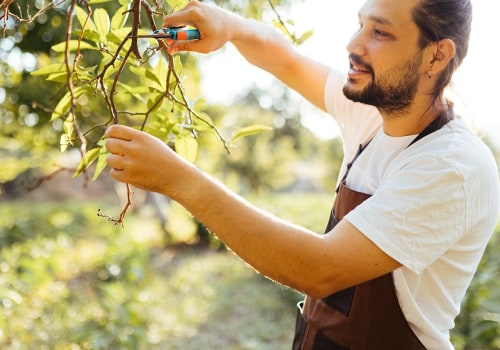
Maintaining trees on real estate assets is crucial for both aesthetic appeal and property value. Here are some best practices to ensure your trees remain healthy and safe:- Regular Inspections: Conduct routine inspections of your trees to identify any signs of disease, pest infestations, or structural issues. Look for dead branches, peeling bark, or unusual growth patterns.
- Proper Pruning: Prune trees at the right time of year to promote healthy growth.
Remove dead or diseased branches and thin out crowded areas to improve air circulation and sunlight penetration.
- Watering: Ensure that trees receive adequate water, especially during dry spells. Young trees may require more frequent watering until their roots are established.
- Mulching: Apply a layer of mulch around the base of the tree to retain moisture, suppress weeds, and regulate soil temperature. Be careful not to pile mulch against the trunk.
- Soil Health: Test the soil to determine its nutrient content and pH level. Amend the soil as necessary to provide optimal growing conditions for your trees.
- Pest Management: Monitor for pests and diseases regularly.
If you notice any issues, consult with a professional tree care service for effective treatment options.
FAQs About Tree Maintenance for Real Estate Assets
When it comes to tree maintenance for real estate assets, property owners often have numerous questions. Here are some of the most frequently asked questions regarding tree care in real estate contexts:- Why is tree maintenance important for real estate?
Proper tree maintenance enhances the aesthetic appeal of a property, increases its value, and ensures safety by preventing potential hazards such as falling branches. - How often should trees be inspected?
It is recommended to inspect trees at least once a year, but more frequent checks may be necessary for older or larger trees, especially after severe weather events. - What are the signs that a tree needs maintenance?
Look for signs such as dead branches, peeling bark, or fungal growth.Additionally, if a tree leans significantly or has visible cracks, it may require immediate attention.
- Can I perform tree maintenance myself?
While minor tasks like pruning can be done by homeowners, it is advisable to hire a professional arborist for major work to ensure safety and proper techniques are used. - What are the costs associated with tree maintenance?
Costs can vary widely based on the type of service needed, the size of the tree, and its location. Regular maintenance can save money in the long run by preventing larger issues. - How does tree maintenance affect property value?
Well-maintained trees can significantly enhance curb appeal and increase property value. Buyers often look for properties with healthy landscaping, including trees.
Conclusion: The Necessity of Tree Maintenance for Real Estate Success
In conclusion, the importance of tree maintenance for real estate assets cannot be overstated. Regular upkeep not only enhances the aesthetic appeal of a property but also plays a crucial role in safeguarding its value and ensuring the safety of its occupants.Neglecting tree maintenance can lead to a myriad of risks, including:- Property Damage: Overgrown or diseased trees can cause significant damage to buildings, fences, and other structures.
Falling branches or uprooted trees during storms can result in costly repairs.
- Liability Issues: Property owners may face legal repercussions if an unmaintained tree causes injury to a visitor or neighbor. Ensuring trees are healthy and well-trimmed minimizes this risk.
- Pest Infestations: Trees that are not properly maintained can become breeding grounds for pests, which may spread to nearby properties, leading to further complications and expenses.
- Decreased Property Value: A well-maintained landscape, including healthy trees, significantly boosts curb appeal. Conversely, neglected trees can detract from the overall value of a property.
By prioritizing tree care, property owners can mitigate risks and enhance the overall value of their assets.