In the realm of real estate asset management, the significance of tree maintenance cannot be overstated. Trees are not merely decorative elements; they play a crucial role in enhancing the overall value and appeal of a property. Well-maintained trees can elevate the aesthetic charm of a landscape, making it more inviting to potential buyers or tenants. Furthermore, healthy trees contribute to the environmental quality of the area, providing shade, improving air quality, and even reducing energy costs by moderating temperatures. Beyond aesthetics, tree maintenance is vital for ensuring safety on real estate properties.
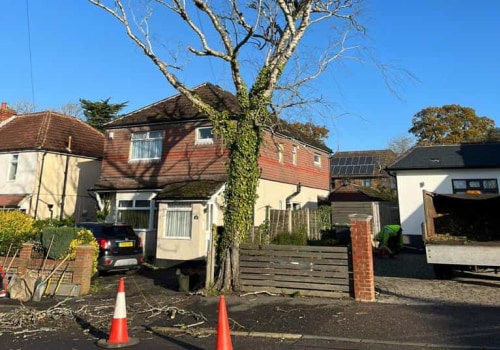
Overgrown or poorly maintained trees can pose significant hazards, such as falling branches or root systems that disrupt foundations and sidewalks. Regular maintenance practices, including pruning and disease management, not only protect the property but also mitigate liability risks for property owners. This proactive approach to tree care can prevent costly damages and enhance the longevity of both the trees and the structures they surround. Moreover, investing in tree maintenance yields long-term benefits that extend beyond immediate visual appeal. Properties with well-maintained landscapes often see increased market value and quicker sales.
In competitive real estate markets, having a lush, healthy landscape can be a decisive factor for buyers. Thus, understanding the importance of tree maintenance is essential for anyone involved in managing real estate assets, as it directly impacts both property value and tenant satisfaction.
Key Techniques for Tree Maintenance
Effective tree maintenance for real estate assets is essential for enhancing property value and ensuring the longevity of trees. Several key techniques can be employed to maintain the health and aesthetics of trees on these properties.Pruning
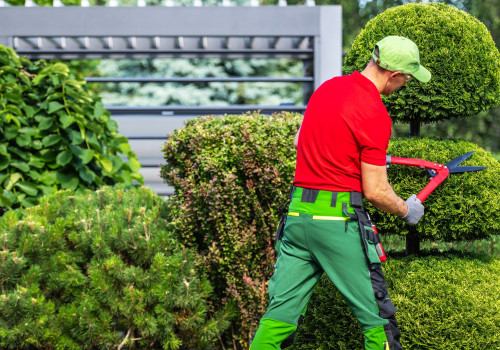
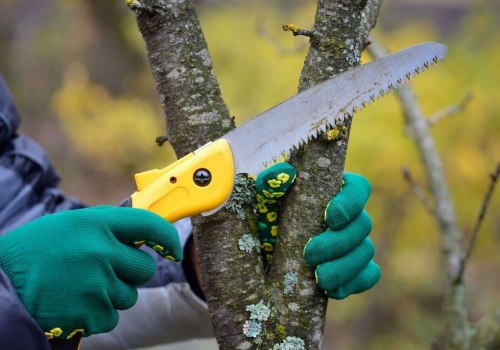
Tree pruning is one of the most critical methods in tree maintenance. It involves the selective removal of specific branches to improve tree structure, promote healthy growth, and enhance air circulation.Regular pruning helps to:
- Remove dead or diseased branches that could pose safety hazards.
- Encourage new growth and flowering.
- Shape the tree for aesthetic appeal, which is particularly important in real estate.
Fertilization
Another vital technique is fertilization. Trees require essential nutrients to thrive, and applying the right fertilizer can significantly improve their health. Key points to consider include:- Conducting soil tests to determine nutrient deficiencies.
- Selecting a fertilizer that matches the specific needs of the tree species.
- Applying fertilizers during the growing season for optimal absorption.
Pest Management
Pest management is crucial for protecting trees from harmful insects and diseases. Implementing an integrated pest management (IPM) approach can help in:- Identifying pests early before they cause significant damage.
- Using environmentally friendly treatments that minimize harm to beneficial organisms.
- Regularly monitoring tree health to adapt strategies as needed.
By investing in proper tree care methods, property owners can enhance their landscape's beauty and value while ensuring the long-term health of their trees.
Seasonal Tree Maintenance Practices
Effective tree maintenance for real estate assets requires a seasonal approach to ensure the health and longevity of trees. Each season presents unique challenges and opportunities for tree care, making it essential to adapt maintenance practices accordingly.Spring Tree Care
As trees emerge from dormancy, spring is the ideal time for rejuvenation. Key practices include:- Pruning: Remove dead or damaged branches to promote healthy growth and improve air circulation.
- Fertilization: Apply a balanced fertilizer to provide essential nutrients that support new growth.
- Pest Management: Monitor for pests and diseases, applying treatments as necessary to prevent infestations.
Summer Tree Care Tips
During the hot summer months, trees require special attention to cope with heat stress:- Watering: Ensure deep watering at least once a week, especially for young trees, to maintain moisture levels in the soil.
- Mulching: Apply mulch around the base of trees to retain soil moisture and regulate temperature.
- Monitoring: Keep an eye out for signs of heat stress, such as wilting leaves or leaf scorch, and take action promptly.
Fall Tree Maintenance
As temperatures cool, fall is a critical time for preparing trees for winter:- Leaf Cleanup: Rake fallen leaves to prevent fungal diseases and pests from overwintering.
- Final Pruning: Conduct any necessary pruning before the trees enter dormancy, focusing on shaping and removing any weak branches.
- Soil Testing: Test soil pH and nutrient levels to plan for spring fertilization.
Winter Tree Maintenance
Winter presents unique challenges but also opportunities for tree care:- Protection from Snow and Ice: Use protective wraps on young trees to prevent damage from heavy snow or ice accumulation.
- Inspect Trees: Regularly check for broken branches or signs of disease during warmer winter days.
- Avoid Pruning: Refrain from pruning during extreme cold as it can stress the tree.
Common Tree Diseases and Pests Affecting Real Estate Assets
Maintaining the health of trees on real estate assets is crucial, not only for aesthetic appeal but also for property value.Common tree diseases
and pests can significantly impact the vitality of trees, leading to costly damage if not addressed promptly.Common Tree Diseases
- Powdery Mildew: This fungal disease appears as a white powdery substance on leaves, inhibiting photosynthesis and weakening the tree.
- Root Rot: Caused by overwatering or poor drainage, root rot can lead to tree decline and death.
Signs include yellowing leaves and stunted growth.
- Leaf Spot: Various fungi cause leaf spots, leading to premature leaf drop and reduced vigor. Regular inspection can help catch this early.
Pest Control for Trees
- Aphids: These small insects suck sap from trees, causing leaves to curl and yellow. Natural predators like ladybugs can help control their population.
- Spider Mites: Often found in dry conditions, spider mites create fine webs and cause leaf discoloration. Increasing humidity around affected trees can deter them.
- Emerald Ash Borer: This invasive beetle targets ash trees, leading to their rapid decline.
Regular monitoring and treatment with insecticides are essential for prevention.
Identifying Tree Pests
To effectively manage tree health, property owners should regularly inspect their trees for signs of disease or pest infestation. Look for:
- Discoloration or wilting of leaves
- Unusual growths or lesions on bark
- Pest presence such as webs or droppings
The Role of Professional Arborists in Tree Maintenance
When it comes to tree maintenance for real estate assets, the expertise of professional arborists is invaluable. These trained specialists possess the knowledge and skills necessary to assess the health of trees, identify potential issues, and implement effective maintenance strategies tailored to the specific needs of each property.Why Hire a Professional Arborist?
- Expert Assessment: Arborists conduct thorough evaluations of trees, considering factors such as species, age, and environmental conditions. This assessment helps in determining the best care practices.
- Preventive Care: Regular maintenance by an arborist can prevent common issues like disease, pest infestations, and structural weaknesses.
This proactive approach ensures that trees remain healthy and safe.
- Proper Pruning Techniques: Arborists are trained in the art of pruning, which is essential for promoting healthy growth and maintaining the aesthetic appeal of trees on real estate properties.
- Risk Management: Trees can pose safety hazards if not properly maintained. Arborists can identify risks and recommend solutions, such as tree removal or cabling, to mitigate potential dangers.
Benefits of Hiring an Arborist for Real Estate
- Increased Property Value: Well-maintained trees enhance curb appeal and can significantly increase the value of real estate assets.
- Long-Term Health: Professional care ensures that trees thrive for years, providing shade, beauty, and environmental benefits.
- Compliance with Local Regulations: Many areas have specific regulations regarding tree maintenance. Arborists are familiar with these laws and can help ensure compliance.
Cost Considerations for Tree Maintenance in Real Estate Management
When it comes to tree maintenance for real estate assets, understanding the cost considerations is crucial for property owners and managers.Proper budgeting for tree care not only ensures the health of the trees but also protects the overall value of the property.
Budgeting for Tree Care
- Assessing Tree Health: Regular assessments can help identify potential issues early, allowing for timely interventions that can save money in the long run.
- Prioritizing Services: Not all trees require the same level of care. Prioritize maintenance tasks based on tree species, age, and condition.
- Seasonal Planning: Schedule maintenance during off-peak seasons when labor costs may be lower and tree care services are more readily available.
Cost-Effective Tree Management Strategies
- DIY Maintenance: For minor tasks such as pruning or mulching, consider doing it yourself to save on labor costs. However, always know your limits to avoid damaging the trees.
- Group Services: If managing multiple properties, consider bundling services with a single contractor to negotiate better rates.
- Invest in Technology: Utilize tree management software to track maintenance schedules and costs effectively, ensuring that no service is overlooked.
FAQs About Tree Maintenance for Real Estate Assets
When it comes to tree maintenance for real estate assets, property owners often have numerous questions.Here are some of the most frequently asked questions regarding tree care and management:
- What is the best time of year for tree maintenance?
The ideal time for tree maintenance largely depends on the type of tree. Generally, late winter or early spring is recommended for pruning, as trees are still dormant and can heal more effectively. - How often should trees be inspected?
Regular inspections are crucial. It is advisable to inspect trees at least once a year, but more frequent checks may be necessary after severe weather events or if the trees show signs of distress. - What are the signs that a tree needs maintenance?
Look for signs such as dead branches, peeling bark, or fungal growth. Additionally, if a tree leans significantly or has visible cracks in its trunk, it may require immediate attention. - Can I perform tree maintenance myself?
While minor tasks like raking leaves or removing small branches can be done by homeowners, it’s best to hire professionals for significant pruning or removal to ensure safety and proper technique. - How does tree maintenance affect property value?
Well-maintained trees can enhance curb appeal and increase property value.They provide shade, improve air quality, and contribute to the overall aesthetic of the property.
Conclusion: The Long-Term Benefits of Proper Tree Maintenance in Real Estate Management
In conclusion, tree maintenance for real estate assets is not merely an aesthetic consideration; it is a strategic investment that yields significant long-term benefits. By implementing effective tree care practices, property managers and owners can enhance the overall value of their real estate while ensuring the safety and satisfaction of tenants and visitors.Regular maintenance activities such as pruning, disease management, and proper watering not only promote healthy growth but also mitigate potential hazards associated with overgrown or diseased trees. This proactive approach can prevent costly damages and liability issues, ultimately protecting the investment in the property.- Increased Property Value: Well-maintained trees contribute to curb appeal, making properties more attractive to potential buyers or renters.
- Environmental Benefits: Healthy trees improve air quality, provide shade, and support local wildlife, enhancing the ecological value of the property.
- Cost Savings: Regular maintenance can reduce the need for expensive emergency interventions and tree removals.
- Community Appeal: Properties with well-kept landscapes foster a sense of community pride and can lead to higher demand in the real estate market.
It not only safeguards the physical assets but also contributes to a sustainable environment and a thriving community. As such, property owners should prioritize ongoing tree care as part of their overall management strategy to ensure lasting benefits for years to come.