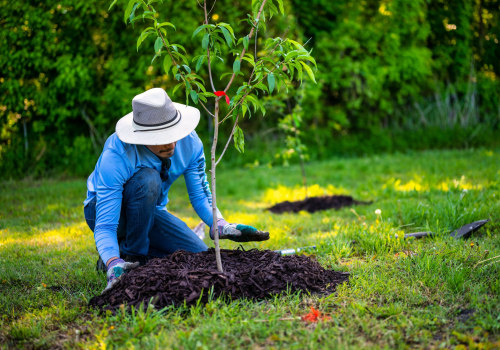
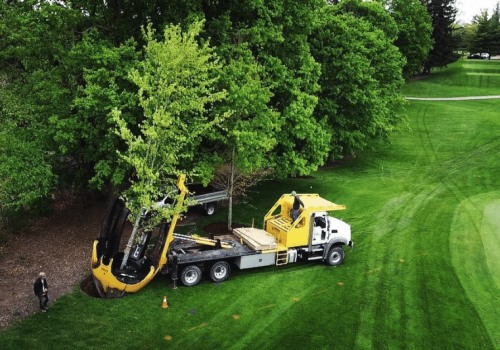
Tree maintenance is a critical aspect of managing real estate assets, particularly for properties that feature significant landscaping or natural elements. As property owners and managers strive to enhance the aesthetic appeal and value of their assets, the importance of maintaining healthy trees cannot be overstated. However, this responsibility comes with its own set of challenges and potential liabilities that must be carefully navigated. When trees are not properly maintained, they can pose serious risks to both the property and its occupants. For instance, overgrown branches may threaten nearby structures or power lines, while diseased trees can become hazardous if they fall unexpectedly.
Such incidents can lead to costly repairs, legal disputes, and even personal injury claims. Therefore, understanding the implications of tree maintenance is essential for effective property management.Moreover, the legal landscape surrounding tree maintenance varies by location, with different municipalities imposing specific regulations regarding tree care and removal. Property managers must stay informed about these laws to mitigate risks associated with non-compliance. By prioritizing proactive tree maintenance strategies, real estate professionals can not only protect their investments but also enhance the overall safety and enjoyment of their properties.
The Importance of Tree Maintenance for Real Estate Assets
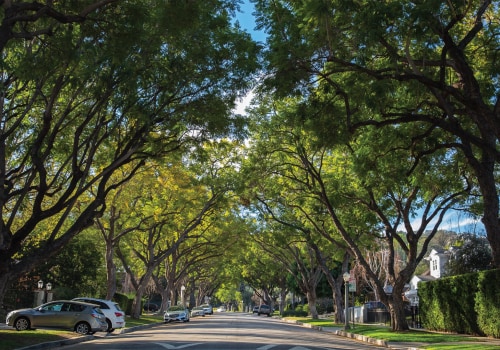
Tree maintenance is a vital aspect of managing real estate assets, as it directly influences both the aesthetic appeal and the overall value of a property.Well-maintained trees not only enhance the visual landscape but also contribute to a healthier environment, making properties more attractive to potential buyers and tenants.One of the primary benefits of tree maintenance is its impact on property value. Studies have shown that properties with mature, well-cared-for trees can see an increase in value by as much as 15% compared to similar properties without trees. This increase is largely due to the perception of a well-maintained landscape, which suggests that the property is cared for and enhances curb appeal.Additionally, trees provide numerous environmental benefits that can further enhance real estate assets:
- Energy Efficiency: Trees strategically placed around buildings can reduce energy costs by providing shade in the summer and windbreaks in the winter.
- Stormwater Management: Trees help absorb rainwater, reducing runoff and minimizing the risk of flooding, which is particularly important in urban areas.
- Air Quality Improvement: Trees filter pollutants from the air, contributing to a healthier living environment for residents.
This proactive approach not only protects the investment but also fosters a sense of safety among residents and visitors.In conclusion, prioritizing tree maintenance for real estate assets is essential for enhancing property value, improving environmental quality, and mitigating risks. By ensuring that trees are healthy and well-maintained, property owners can enjoy both immediate and long-term benefits that contribute to the overall success of their real estate investments.
Potential Liabilities Associated with Tree Maintenance
Tree maintenance for real estate assets is essential for aesthetic appeal and property value, but it also comes with potential liabilities that property owners must consider. Understanding these risks can help mitigate legal and financial repercussions. One of the primary liabilities of tree maintenance involves personal injury. If a tree or its branches fall and injure a passerby or a tenant, the property owner may be held liable for damages.This is particularly true if the owner failed to maintain the tree properly or ignored signs of decay. Another significant risk is property damage. A poorly maintained tree can cause damage to nearby structures, vehicles, or landscaping. In such cases, the property owner may face costly repairs and potential lawsuits from affected parties.
Legal Issues with Trees
Legal issues can also arise from tree maintenance practices. For instance, if a property owner removes a tree without proper permits or in violation of local ordinances, they could face fines or be required to replant the tree.Additionally, disputes with neighbors over tree encroachments or roots damaging shared property can lead to legal battles. To minimize these risks, property owners should:
- Conduct regular inspections of trees on their property.
- Hire certified arborists for maintenance and removal tasks.
- Stay informed about local regulations regarding tree management.
- Document all maintenance activities to provide evidence of due diligence.
Common Legal Issues Related to Tree Maintenance
When it comes to tree maintenance for real estate assets, property owners must navigate a variety of potential legal issues that can arise. Understanding these issues is crucial to mitigate risks and ensure compliance with local laws.Trespassing
One of the most common legal concerns is trespassing. If a property owner or their maintenance crew inadvertently enters a neighboring property while performing tree maintenance, they could face legal repercussions. It is essential to obtain permission from adjacent property owners before conducting any work that may affect their land.Property Damage
Property damage claims can also arise from tree maintenance activities.For instance, if a tree is pruned or removed improperly, it may lead to damage to nearby structures, vehicles, or landscaping. Property owners should ensure that qualified professionals handle tree maintenance to minimize the risk of such incidents.
Nuisance Claims
Nuisance claims can occur when tree maintenance leads to excessive noise, debris, or other disturbances that affect neighboring properties. For example, if tree trimming creates significant noise or leaves debris on a neighbor's lawn, the affected party may file a nuisance claim. To avoid this, property owners should communicate with neighbors about scheduled maintenance and take steps to minimize disruptions.In summary, being aware of these legal issues related to tree maintenance is vital for real estate asset management.By taking proactive measures—such as obtaining necessary permissions, hiring qualified professionals, and maintaining open communication with neighbors—property owners can significantly reduce their liability risks.
Insurance Considerations for Tree Maintenance on Real Estate Assets
When it comes to tree maintenance for real estate assets, understanding the insurance landscape is crucial for property owners. Proper coverage can mitigate potential liabilities that arise from tree-related incidents, such as property damage or personal injury.Types of Insurance for Tree Maintenance
- General Liability Insurance: This is essential for property owners, as it covers claims related to bodily injury and property damage that may occur during tree maintenance activities. If a falling branch injures a passerby or damages a neighboring property, this insurance can help cover legal fees and damages.
- Workers' Compensation Insurance: If you employ workers for tree maintenance, this insurance is vital. It provides coverage for medical expenses and lost wages if an employee is injured while performing their duties.
- Property Insurance: This type of insurance can cover damage to your own property caused by tree maintenance activities.
For instance, if a tree falls during pruning and damages your home or other structures, property insurance may help cover the repair costs.
Coverage Options to Consider
- Tree Removal Coverage: Some policies specifically include coverage for tree removal, which can be beneficial if a tree poses a risk to your property or others.
- Liability Limits: Ensure that your liability limits are adequate to cover potential claims. Consulting with an insurance agent can help determine the appropriate levels of coverage based on your specific situation.
- Exclusions: Be aware of any exclusions in your policy. Some policies may not cover certain types of damage or may have specific conditions that must be met for coverage to apply.
Best Practices for Managing Tree Maintenance Liabilities
Managing tree maintenance for real estate assets involves not only ensuring the health and aesthetics of trees but also mitigating potential liabilities.Here are some best practices to effectively manage these risks:
- Regular Inspections: Conduct routine inspections of trees on the property to identify any signs of disease, damage, or instability. This proactive approach can help prevent accidents before they occur.
- Professional Assessments: Engage certified arborists for comprehensive evaluations, especially for large or old trees. Their expertise can provide insights into necessary maintenance and potential hazards.
- Document Maintenance Activities: Keep detailed records of all tree maintenance activities, including pruning, removal, and inspections. This documentation can serve as evidence of due diligence in case of liability claims.
- Implement a Risk Management Plan: Develop a risk management strategy that outlines procedures for tree maintenance, emergency response, and communication with tenants regarding tree safety.
- Educate Tenants: Inform tenants about the importance of tree care and safety.
Encourage them to report any concerns regarding tree health or safety hazards promptly.
FAQs About Tree Maintenance Liabilities in Real Estate
When it comes to tree maintenance for real estate assets, property owners often have questions about potential liabilities. Here are some frequently asked questions that can help clarify these concerns:- What are the common liabilities associated with tree maintenance?
Property owners can be held liable for injuries or damages caused by falling branches or trees, especially if they were aware of the tree's poor condition and failed to act. Regular inspections and maintenance can mitigate these risks. - How can I reduce my liability when maintaining trees?
Engaging professional arborists for regular assessments and maintenance is crucial.They can identify potential hazards and recommend necessary actions, which can help protect you from liability claims.
- Are there specific laws regarding tree maintenance?
Yes, local ordinances may dictate how trees must be maintained, especially in urban areas. Familiarizing yourself with these regulations is essential to avoid fines and liability issues. - What should I do if a neighbor's tree causes damage to my property?
Document the damage and communicate with your neighbor. If the tree was healthy and the damage was sudden, liability may fall on the property owner of the tree. However, if it was known to be hazardous, they may be responsible. - Can I be held liable for a tree on my property that falls during a storm?
Generally, if the tree was healthy prior to the storm, liability may not apply.However, if it was known to be diseased or unstable, you could face claims.
Conclusion: Navigating Tree Maintenance Liabilities in Real Estate Management
In conclusion, understanding the potential liabilities associated with tree maintenance for real estate assets is crucial for property managers and owners alike. As we have explored, the responsibilities tied to maintaining trees on a property extend beyond mere aesthetics; they encompass legal, financial, and safety considerations that can significantly impact real estate value and liability.To effectively navigate these liabilities, it is essential to implement a proactive tree management strategy. This includes:- Regular Inspections: Conducting routine assessments of tree health and stability can help identify potential hazards before they escalate into serious issues.
- Professional Pruning and Removal: Engaging certified arborists for tree care ensures that maintenance is performed correctly, reducing the risk of accidents and subsequent liability claims.
- Documentation: Keeping detailed records of all maintenance activities, inspections, and any incidents related to tree management can provide valuable protection in case of disputes.
- Insurance Coverage: Reviewing and updating insurance policies to include specific coverage for tree-related incidents can safeguard against unexpected financial burdens.
By adhering to these regulations, property owners can mitigate risks associated with non-compliance.Ultimately, a comprehensive approach to tree maintenance for real estate assets not only enhances the safety and appeal of a property but also protects against potential liabilities. By prioritizing tree health and safety, real estate professionals can ensure that their investments remain secure while fostering a safe environment for tenants and visitors alike.