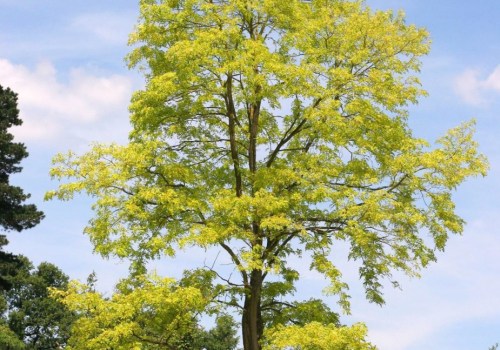
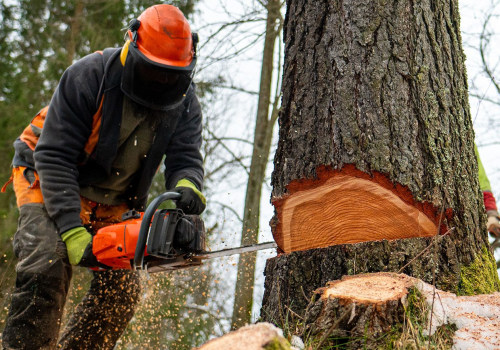
In the realm of real estate assets, the significance of tree maintenance cannot be overstated. Trees not only enhance the aesthetic appeal of a property but also contribute to its overall value and environmental health. Properly maintained trees can provide shade, reduce energy costs, and improve air quality, making them a vital component of any real estate investment. However, the responsibility of maintaining these natural assets extends beyond mere aesthetics; it encompasses a range of legal and regulatory considerations that property owners must navigate. As urban areas expand and environmental concerns grow, various regulations and laws have emerged to govern tree maintenance practices.
These regulations can vary significantly by location, often influenced by local ordinances, state laws, and even federal guidelines aimed at protecting certain species or promoting sustainable practices. Understanding these legal frameworks is essential for property owners to ensure compliance and avoid potential liabilities associated with tree neglect or improper maintenance. Moreover, the implications of inadequate tree care can extend beyond legal repercussions. Neglected trees may pose safety hazards, leading to property damage or personal injury during storms or high winds. Therefore, integrating effective tree maintenance strategies not only safeguards the investment in real estate assets but also fosters a safer and more sustainable community environment.
As we delve deeper into this topic, we will explore the specific regulations and laws that govern tree maintenance practices, equipping property owners with the knowledge they need to protect their investments.
Importance of Tree Maintenance for Real Estate Assets
Proper tree maintenance for real estate assets is not just a matter of aesthetics; it plays a crucial role in enhancing the overall value and appeal of a property. Trees can significantly influence the first impression of a home or commercial space, making it essential for property owners to invest in their care.Benefits of Tree Care
- Aesthetic Appeal: Well-maintained trees contribute to the beauty of a landscape, creating a welcoming environment that attracts potential buyers or tenants.
- Property Value Enhancement: Studies have shown that properties with healthy trees can see an increase in value by up to 15%. This is particularly important in competitive real estate markets.
- Environmental Impact: Trees improve air quality, provide shade, and reduce energy costs by lowering temperatures around buildings. This not only benefits the environment but also enhances the livability of the property.
- Safety and Liability: Regular maintenance helps prevent hazards such as falling branches or tree diseases that could pose risks to residents and visitors, thereby reducing liability for property owners.
Healthy trees require less frequent replacement and can reduce landscaping costs over time. Furthermore, properties with well-maintained trees often experience lower insurance premiums due to reduced risk factors.In conclusion, investing in tree maintenance for real estate assets is not merely an aesthetic choice; it is a strategic decision that can yield significant financial returns while promoting environmental sustainability. Property owners should prioritize regular tree care as part of their overall asset management strategy.
Overview of Tree Maintenance Regulations
Understanding the regulations and laws governing tree maintenance is crucial for real estate asset management. These regulations can vary significantly based on location, encompassing federal, state, and local ordinances that dictate how trees should be maintained, preserved, or removed.Federal Regulations
- The National Forest Management Act and the Endangered Species Act may influence tree maintenance practices, especially in areas where protected species are present.
- While federal laws primarily focus on public lands, they can set precedents that affect state and local policies.
State Regulations
- Many states have their own forestry laws that govern tree maintenance on both public and private properties.
These laws often include guidelines for tree health assessments and pest management.
- Some states require permits for tree removal, especially for large or heritage trees, which can impact real estate development projects.
Local Ordinances
- Local governments frequently enact ordinances that regulate tree maintenance within their jurisdictions. These can include:
- Tree Preservation Ordinances: These laws aim to protect certain trees during construction or land development.
- Maintenance Codes: Local codes may specify how often trees must be pruned or inspected to ensure safety and health.
- Homeowners' associations (HOAs) may also impose additional rules regarding tree maintenance, which can affect property values and community aesthetics.
Federal Regulations Impacting Tree Maintenance
When it comes to tree maintenance for real estate assets, understanding federal regulations is crucial for property owners and managers. Various laws and regulations can significantly impact how trees are maintained, particularly in relation to environmental protection.One of the most significant pieces of legislation affecting tree maintenance is the Endangered Species Act (ESA).This act aims to protect species that are at risk of extinction, which can include certain trees and plants. If a property contains trees that are home to endangered species, any maintenance activities may require special permits or adherence to specific guidelines to ensure that these species are not harmed.In addition to the ESA, other federal environmental regulations may also come into play:
- National Environmental Policy Act (NEPA): This act requires federal agencies to assess the environmental effects of their proposed actions before making decisions. If tree maintenance is part of a federally funded project, NEPA compliance may be necessary.
- Clean Water Act: This act regulates discharges of pollutants into U.S. waters and can affect tree maintenance practices, especially if the trees are located near wetlands or waterways.
- Forest Service Regulations: For properties that fall under the jurisdiction of the U.S.
Forest Service, specific guidelines must be followed regarding tree removal and maintenance to promote forest health and biodiversity.
State-Specific Laws on Tree Maintenance
When it comes to tree maintenance for real estate assets, understanding state-specific laws is crucial for property owners. Each state has its own set of regulations that govern how trees must be maintained, which can significantly impact property management and compliance.State Tree Laws
- California: In California, the California Forest Practice Act mandates that property owners maintain trees in a way that prevents fire hazards, especially in high-risk areas.
Additionally, local ordinances may require permits for tree removal.
- Florida: Florida law emphasizes the protection of certain tree species, particularly in urban areas. The Florida Native Plant Society encourages the preservation of native trees, and local governments may impose fines for unauthorized tree removal.
- Texas: Texas does not have a statewide tree law; however, many municipalities have their own regulations regarding tree maintenance and removal. Property owners should check local ordinances to ensure compliance.
- New York: In New York City, the New York City Department of Parks and Recreation oversees street trees and requires property owners to maintain trees adjacent to their properties. Failure to comply can result in penalties.
Compliance Requirements
To remain compliant with state regulations on trees, real estate owners should:
- Regularly consult local laws regarding tree maintenance and removal.
- Obtain necessary permits before undertaking any significant tree work.
- Engage certified arborists for assessments and maintenance to ensure adherence to best practices and legal requirements.
Local Ordinances and Their Impact on Tree Care
When it comes to tree maintenance for real estate assets, understanding local ordinances is crucial.These regulations can vary significantly from one municipality to another, impacting how property owners manage trees on their land.Many communities have established local tree ordinances that dictate specific requirements for tree care, including planting, pruning, and removal. These laws are often designed to protect the urban canopy, promote biodiversity, and ensure public safety. For instance, some municipalities may require property owners to obtain a permit before removing a tree, especially if it is deemed a heritage or protected species.
Key Aspects of Local Tree Ordinances:
- Tree Preservation: Many local laws emphasize the importance of preserving existing trees, particularly those that provide significant ecological benefits.
- Planting Guidelines: Some ordinances specify which tree species are suitable for planting in urban areas, taking into account factors like climate adaptability and root structure.
- Maintenance Standards: Regulations may outline best practices for tree maintenance, including pruning schedules and pest management strategies.
- Liability Issues: Property owners should be aware of their responsibilities regarding fallen branches or trees that may pose a risk to public safety.
Consulting with local arborists or legal experts can provide valuable insights into navigating these ordinances effectively.
Best Practices for Compliance with Tree Maintenance Laws
Ensuring compliance with tree maintenance laws is crucial for real estate owners, as it not only protects the property but also enhances its value. Here are some best practices to follow:- Understand Local Regulations: Familiarize yourself with local ordinances regarding tree maintenance. Many municipalities have specific rules about tree trimming, removal, and preservation, especially for protected species.
- Regular Inspections: Conduct regular inspections of trees on your property. Look for signs of disease, damage, or potential hazards.
Early detection can prevent costly repairs and legal issues.
- Hire Certified Arborists: When in doubt, consult with a certified arborist. They can provide expert advice on tree health and maintenance practices that comply with local laws.
- Document Maintenance Activities: Keep detailed records of all tree maintenance activities, including dates, services performed, and any consultations with professionals. This documentation can be invaluable in case of disputes or inspections.
- Educate Tenants and Staff: If you manage rental properties, educate tenants and staff about the importance of tree maintenance. Encourage them to report any concerns regarding tree health or safety.
In some cases, property owners may be held responsible for injuries or damages resulting from falling branches or hazardous trees.By implementing these compliance tips, real estate owners can not only adhere to legal requirements but also contribute to the overall health and aesthetics of their properties. Regular maintenance not only protects your investment but also fosters a safer environment for residents and visitors alike.
Common FAQs About Tree Maintenance Regulations
When it comes to tree maintenance for real estate assets, property owners often have numerous questions regarding the legalities involved. Here are some common FAQs that can help clarify these concerns:- What are the general regulations regarding tree maintenance?
Regulations can vary significantly by state and municipality. Generally, property owners are responsible for maintaining trees on their property, ensuring they do not pose a hazard to people or neighboring properties.Local ordinances may dictate specific maintenance practices, such as pruning or removal of dead trees.
- Are there laws protecting certain types of trees?
Yes, many areas have laws that protect specific species of trees, especially if they are considered endangered or have historical significance. Before undertaking any tree removal or significant pruning, it is crucial to check local regulations. - What should I do if a neighbor's tree is causing damage?
If a neighbor's tree is encroaching on your property or causing damage, it is advisable to first discuss the issue with them. If the problem persists, you may need to consult local laws regarding tree disputes and consider seeking legal advice. - Do I need a permit for tree removal?
In many jurisdictions, a permit is required for removing trees, especially if they exceed a certain size or are protected species. Always check with your local government before proceeding with any removal. - How can I ensure compliance with tree maintenance laws?
To ensure compliance, stay informed about local regulations and consider hiring a certified arborist who understands the legal requirements for tree maintenance for real estate assets.Regular inspections and maintenance can also help mitigate potential legal issues.
Conclusion: Navigating Tree Maintenance Regulations Effectively
In conclusion, understanding the regulations surrounding tree maintenance for real estate assets is crucial for property owners and managers. As we have explored, these regulations can vary significantly based on local ordinances, state laws, and even federal guidelines. Failing to comply with these rules can lead to serious consequences, including hefty fines and potential liability issues.To effectively navigate the complexities of tree maintenance regulations, consider the following key points:- Research Local Laws: Always start by researching your local laws regarding tree maintenance. Many municipalities have specific guidelines that dictate how trees should be cared for, especially those that are deemed significant or protected.
- Consult Professionals: Engaging with certified arborists or tree care professionals can provide valuable insights into both the health of your trees and the legal requirements for their maintenance.
- Regular Inspections: Implementing a routine inspection schedule can help identify potential issues before they escalate into legal problems.
This proactive approach not only ensures compliance but also promotes the health and longevity of your trees.
- Document Everything: Keep detailed records of all maintenance activities, inspections, and communications with local authorities. This documentation can serve as a protective measure in case of disputes or regulatory inquiries.