Tree maintenance is a critical aspect of property management that often goes overlooked, yet it plays a vital role in safeguarding real estate assets. Regular care and attention to trees not only enhance the aesthetic appeal of a property but also contribute significantly to its overall value. When trees are well-maintained, they can serve as natural barriers against environmental elements, reducing the risk of damage to buildings and landscapes. This proactive approach to tree maintenance can prevent costly repairs and ensure that properties remain attractive to potential buyers or tenants. The importance of tree care extends beyond mere aesthetics; it encompasses the health of the trees themselves and their ability to thrive in their environment.
Healthy trees can improve air quality, provide shade, and even lower energy costs by reducing the need for air conditioning in warmer months. Furthermore, well-maintained trees are less likely to suffer from diseases or pest infestations, which can lead to hazardous situations for both the property and its occupants. By investing in regular tree maintenance, property owners can protect their investments while promoting a safe and pleasant living environment. In the context of real estate asset protection, understanding the nuances of tree maintenance is essential. Neglecting tree care can lead to significant issues such as falling branches, root damage to foundations, and increased liability risks.
Therefore, establishing a routine maintenance schedule that includes pruning, disease management, and regular inspections is crucial. This not only preserves the integrity of the property but also enhances its marketability in an increasingly competitive real estate landscape.
The Role of Trees in Real Estate Value
Trees play a crucial role in enhancing the value of real estate properties. Their presence not only adds to the aesthetic appeal of a property but also contributes significantly to its overall market value. Homebuyers often seek properties with mature trees, as they provide a sense of stability and beauty that can make a house feel more inviting.One of the primary benefits of trees in real estate is their impact on landscaping.Well-maintained trees can create a lush, green environment that enhances curb appeal. This is particularly important for homeowners looking to sell their properties, as first impressions are vital in real estate transactions. A well-landscaped yard with healthy trees can increase a property's value by up to 15% or more, according to various studies.Moreover, trees offer numerous environmental benefits that can further elevate property values. They improve air quality by filtering pollutants and providing oxygen, which is essential for a healthy living environment.
Additionally, trees provide shade, reducing energy costs for cooling homes during hot summer months. This energy efficiency is an attractive feature for potential buyers who are increasingly conscious of their environmental footprint.Furthermore, trees can act as natural sound barriers, reducing noise pollution from nearby roads or urban areas. This added privacy and tranquility can be a significant selling point for many homebuyers.In summary, regular tree maintenance is essential not only for the health of the trees themselves but also for preserving and enhancing the value of real estate assets. By investing in tree care, property owners can ensure that their landscapes remain attractive and beneficial, ultimately leading to higher property values and greater buyer interest.
Common Tree-Related Risks to Real Estate Assets
Maintaining trees is crucial for protecting real estate assets from various risks.Neglected trees can pose significant hazards that may lead to costly damages and liabilities.
Structural Damage
One of the most pressing risks associated with poorly maintained trees is structural damage. Overgrown branches can extend over roofs, gutters, and windows, leading to potential breakage during storms or high winds. Additionally, roots can infiltrate foundations, causing cracks and instability. Regular tree maintenance helps mitigate these risks by ensuring that branches are trimmed and roots are monitored.Liability Issues
Property owners can face serious liability issues if a tree falls and injures someone or damages neighboring properties.In such cases, the owner may be held responsible for neglecting to maintain the tree. Routine inspections and maintenance can identify weak or diseased trees before they become a hazard, thus protecting property owners from legal repercussions.
Increased Insurance Costs
Insurance companies often assess the risk associated with trees on a property. If a property is deemed high-risk due to neglected trees, it may result in increased insurance costs. By investing in regular tree maintenance, property owners can potentially lower their insurance premiums while ensuring their assets remain protected. In summary, the risks associated with poorly maintained trees—ranging from structural damage to liability issues and increased insurance costs—underscore the importance of proactive tree maintenance for safeguarding real estate assets.Preventive Tree Maintenance Practices
Regular tree maintenance is essential for protecting real estate assets from potential damage caused by unhealthy or poorly maintained trees.Implementing a series of preventive care practices can significantly reduce risks associated with tree-related issues.
Regular Inspections
Conducting regular inspections of trees on your property is the first step in effective tree maintenance. These inspections should focus on identifying signs of disease, pest infestations, and structural weaknesses. Look for:- Cracks or splits in the trunk or branches
- Discoloration of leaves or bark
- Unusual growth patterns, such as leaning or dead branches
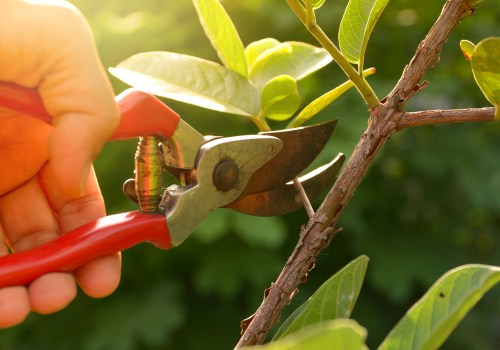
Pruning and Trimming
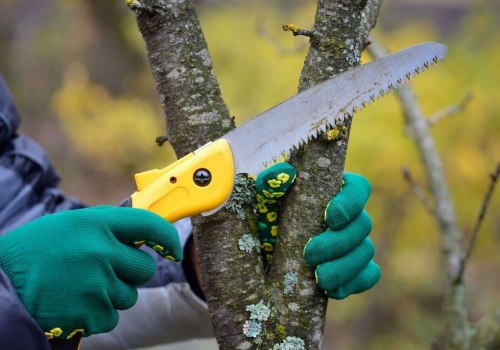
Tree trimming and pruning are vital practices that help maintain the health and safety of trees. Regularly removing dead or overgrown branches not only promotes healthy growth but also minimizes the risk of falling limbs during storms.Here are some key benefits:
- Improved air circulation, which reduces the likelihood of fungal diseases
- Enhanced sunlight exposure, promoting healthier foliage
- Reduced weight on branches, lowering the risk of breakage
Disease Management
A proactive approach to disease management is crucial in maintaining tree health. This includes:- Identifying and treating pests promptly to prevent infestations from spreading.
- Applying appropriate fungicides or insecticides, as needed, based on expert recommendations.
- Ensuring proper watering and fertilization, which can strengthen trees against diseases.
The Financial Benefits of Regular Tree Maintenance
Investing in regular tree maintenance can yield significant financial benefits for real estate assets. One of the most immediate advantages is the potential for cost savings on repairs. Neglected trees can lead to property damage, such as fallen branches or uprooted trees during storms, which can result in costly repairs to roofs, fences, and other structures.By proactively maintaining trees, property owners can mitigate these risks and avoid unexpected expenses.Moreover, the financial impact of tree maintenance extends beyond just avoiding repairs. Well-maintained trees enhance the aesthetic appeal of a property, which can lead to increased property values. According to various studies, properties with healthy landscaping, including trees, can see a value increase of up to 15%. This increase not only benefits homeowners but also enhances the overall marketability of the property.
Return on Investment (ROI)
- Increased Property Value: Investing in tree care can significantly boost the resale value of a property.
- Lower Insurance Premiums: Properties with well-maintained landscapes may qualify for lower insurance rates due to reduced risk of damage.
- Energy Savings: Strategically placed trees can reduce energy costs by providing shade and windbreaks, leading to lower heating and cooling expenses.
By prioritizing tree care, property owners can ensure their investments remain protected and profitable.
Case Studies: Successful Tree Maintenance in Real Estate
Effective tree maintenance for real estate assets can significantly enhance property value and prevent costly damages. Here are some compelling case studies that illustrate the benefits of proactive tree care.Case Study 1: Urban Apartment Complex
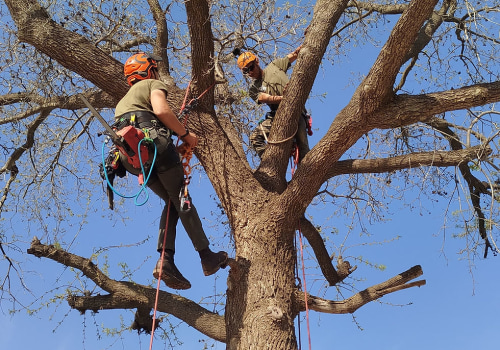
A large urban apartment complex in Chicago faced frequent complaints from residents regarding falling branches and obstructed views. The property management team decided to invest in a comprehensive tree maintenance program. This included regular pruning, health assessments, and the removal of dead or hazardous trees.Within a year, not only did resident satisfaction increase, but the property also saw a 15% increase in rental rates. The well-maintained landscape became a key selling point for new tenants.
Case Study 2: Suburban Homeowners Association
A homeowners association in suburban Texas implemented a tree care initiative to address issues related to overgrown trees that were damaging sidewalks and driveways. By collaborating with local arborists, they established a routine maintenance schedule that included trimming and disease management. As a result, the community reported a 30% reduction in repair costs associated with tree-related damages, and property values rose as the neighborhood became more visually appealing.Case Study 3: Commercial Retail Space
A retail space in California struggled with customer access due to overgrown landscaping.The owners recognized that effective tree maintenance could improve visibility and foot traffic. After hiring a landscaping firm to conduct a thorough assessment and implement a maintenance plan, the area was transformed. The improved aesthetics led to a 20% increase in foot traffic, directly correlating with higher sales for tenants.These case studies demonstrate that investing in tree maintenance for real estate assets not only protects properties from potential damage but also enhances their overall value and appeal. By prioritizing tree care, property owners can ensure long-term benefits for both their investments and their communities.
FAQs About Tree Maintenance for Real Estate Assets
When it comes to tree maintenance for real estate assets, many property owners have questions about the best practices and benefits.Here are some frequently asked questions that can help clarify the importance of regular tree care.
- Why is tree maintenance important for my property?
Regular tree maintenance helps prevent potential hazards such as falling branches or uprooted trees during storms, which can cause significant damage to buildings and other structures. Additionally, well-maintained trees enhance the aesthetic appeal of your property, potentially increasing its market value. - How often should I have my trees inspected?
It is recommended to have your trees inspected at least once a year by a certified arborist. This ensures that any issues, such as disease or pest infestations, are identified early and addressed promptly. - What are the signs that my trees need maintenance?
Look for signs such as dead or dying branches, peeling bark, or unusual growth patterns. If you notice any of these symptoms, it’s crucial to consult a professional to assess the health of your trees. - Can tree maintenance save me money in the long run?
Yes! Investing in regular tree maintenance can prevent costly repairs from damage caused by neglected trees.Proper care can also extend the lifespan of your trees, providing long-term benefits.
Conclusion: The Long-Term Value of Tree Maintenance for Real Estate Owners
In conclusion, regular tree maintenance is not just an aesthetic choice for property owners; it is a crucial investment in the longevity and value of real estate assets. By prioritizing the health and upkeep of trees on their properties, owners can significantly mitigate risks associated with tree-related damage.Throughout this article, we have explored several key benefits of maintaining trees:- Preventing Property Damage: Regular inspections and pruning can identify potential hazards, such as dead branches or disease, before they lead to costly repairs.
- Enhancing Curb Appeal: Well-maintained trees contribute to the overall aesthetic of a property, making it more attractive to potential buyers or tenants.
- Increasing Property Value: Healthy trees can enhance the market value of real estate, as they are often seen as a desirable feature in residential and commercial properties.
- Promoting Safety: Proper maintenance reduces the risk of falling branches or uprooted trees during storms, ensuring the safety of residents and visitors.
It not only protects physical assets but also enhances the overall living environment. For real estate owners looking to safeguard their investments and ensure sustainable growth, prioritizing tree care is a wise decision that pays dividends over time.