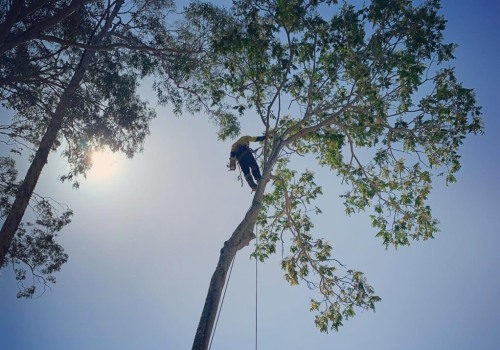
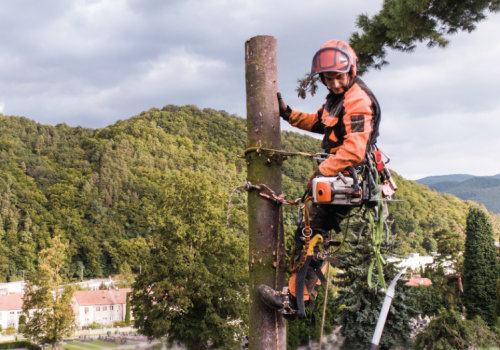
Tree maintenance is a critical aspect of property management that often goes overlooked, yet it plays a vital role in enhancing the overall health and longevity of trees on real estate assets. Proper tree care involves a series of practices designed to promote growth, prevent disease, and ensure that trees remain a valuable part of the landscape. For property owners and managers, understanding the importance of tree maintenance can lead to significant benefits, not only for the trees themselves but also for the aesthetic and economic value of the property. Healthy trees contribute to the beauty and appeal of real estate assets, creating inviting environments that attract potential buyers or tenants. Moreover, well-maintained trees can improve air quality, provide shade, and even reduce energy costs by lowering temperatures around buildings.
However, neglecting tree care can lead to a host of problems, including pest infestations, disease spread, and structural instability. This is why regular maintenance is essential; it helps identify issues early on and allows for timely interventions. In essence, tree maintenance is not just about keeping trees looking good; it’s about fostering their health and resilience. By investing in proper care techniques such as pruning, fertilization, and disease management, property owners can ensure that their trees thrive for years to come. This proactive approach not only enhances the landscape but also safeguards the long-term value of real estate assets.
The Benefits of Tree Maintenance for Real Estate Assets
Effective tree maintenance plays a crucial role in enhancing the overall health and longevity of trees, which in turn significantly benefits real estate assets.By investing in regular maintenance, property owners can enjoy a multitude of advantages that contribute to both aesthetic appeal and financial value.
Increased Property Value
- Well-maintained trees can increase property values by up to 15% or more, making them a valuable asset for any real estate investment.
- Potential buyers are often attracted to properties with healthy, mature trees, as they provide a sense of stability and beauty.
Enhanced Aesthetics
- Regular pruning and care ensure that trees remain visually appealing, contributing to the overall landscape design.
- A well-kept tree canopy can create inviting outdoor spaces, enhancing curb appeal and making properties more attractive to prospective buyers or renters.
Improved Environmental Impact
- Healthy trees improve air quality by absorbing carbon dioxide and releasing oxygen, creating a healthier environment for residents.
- They also provide shade, reducing energy costs for cooling in warmer months, which is an attractive feature for potential buyers.
Long-Term Cost Savings
- Investing in tree maintenance can prevent costly issues down the line, such as disease or pest infestations that could lead to tree removal.
- Regular inspections and care can extend the lifespan of trees, ensuring they continue to provide benefits for years to come.
Key Tree Maintenance Practices
Effective tree maintenance for real estate assets is crucial for ensuring the health and longevity of trees. Implementing key practices can significantly enhance the vitality of trees, making them more resilient to environmental stressors.Pruning and Trimming
One of the most important tree care techniques is regular pruning and trimming. This practice not only improves the aesthetic appeal of trees but also promotes healthy growth.By removing dead or diseased branches, you allow for better air circulation and sunlight penetration, which are essential for photosynthesis. Additionally, proper pruning helps to shape the tree, preventing structural issues that could arise from overcrowded branches.
Watering
Another vital aspect of tree maintenance is adequate watering. Trees require a consistent supply of water, especially during dry spells. Deep watering encourages roots to grow deeper into the soil, enhancing stability and nutrient absorption.It’s important to monitor soil moisture levels and adjust watering schedules accordingly, particularly for young trees that are still establishing their root systems.
Mulching
Applying mulch around the base of trees is an effective way to retain soil moisture, suppress weeds, and regulate soil temperature. Organic mulches, such as wood chips or bark, decompose over time, enriching the soil with nutrients. A layer of mulch can also protect tree trunks from lawn equipment damage and reduce competition from nearby plants.Pest Management
Lastly, proactive pest management is essential in maintaining tree health. Regular inspections can help identify early signs of pest infestations or diseases.Implementing integrated pest management (IPM) strategies—such as introducing beneficial insects or using organic pesticides—can effectively control pests while minimizing harm to the environment.By incorporating these essential tree maintenance practices, property owners can ensure that their trees thrive, ultimately enhancing the value and appeal of their real estate assets.
Seasonal Considerations for Tree Maintenance
Understanding the seasonal changes that affect tree maintenance is crucial for ensuring the health and longevity of trees on real estate assets. Each season presents unique challenges and opportunities for tree care, making it essential to develop a comprehensive tree maintenance schedule.Spring
: As trees emerge from dormancy, spring is an ideal time for pruning. This helps to remove any dead or diseased branches and encourages healthy growth. Additionally, applying mulch around the base of trees can help retain moisture and suppress weeds.
Summer
: During the warmer months, trees require regular watering, especially if rainfall is scarce.
Monitoring for pests and diseases is also critical, as these issues can escalate quickly in the heat. Consider applying a slow-release fertilizer to support growth during this active season.
Fall
: Fall is a prime time for deep root fertilization and preparing trees for winter. Raking leaves away from the base of trees can prevent fungal diseases. This season is also suitable for planting new trees, as cooler temperatures allow roots to establish before winter.
Winter
: While many trees are dormant, winter maintenance is still important.
Inspecting trees for structural integrity and removing any hazardous branches can prevent damage during storms. Additionally, wrapping young trees with protective materials can shield them from harsh weather conditions.By aligning your tree maintenance tasks with the seasons, you can significantly enhance the health of your trees. This proactive approach not only ensures their longevity but also contributes positively to the overall value of your real estate assets.
Common Tree Diseases and Pests: Prevention and Management
Maintaining the health of trees on real estate assets is crucial, as tree diseases and pests can significantly impact their longevity and aesthetic value. Understanding common tree diseases and implementing effective pest management strategies are essential for property owners.Common Tree Diseases
- Powdery Mildew: This fungal disease appears as a white powdery substance on leaves, inhibiting photosynthesis and weakening the tree.
- Root Rot: Caused by overwatering or poor drainage, root rot can lead to tree decline and death if not addressed promptly.
- Leaf Spot: Various fungi cause leaf spots, leading to premature leaf drop and reduced vigor.
Pest Management Strategies
- Regular Inspections: Conducting routine checks for signs of pests or disease can help catch issues early.
Look for discolored leaves, unusual growths, or insect activity.
- Proper Pruning: Removing dead or infected branches not only improves aesthetics but also reduces the spread of diseases.
- Healthy Soil Practices: Ensuring that trees have access to nutrient-rich soil can bolster their defenses against pests and diseases.
Preventing Tree Health Issues
The key to preventing tree health issues lies in proactive care. Implementing a regular maintenance schedule that includes watering, mulching, and fertilizing can enhance tree resilience. Additionally, educating yourself about the specific trees on your property will allow you to tailor your care practices effectively.In conclusion, understanding common tree diseases and pests, along with their prevention and management strategies, is vital for maintaining the health of trees on real estate assets. Early detection and intervention can save trees from severe damage, ensuring they thrive for years to come.
The Role of Professional Arborists in Tree Maintenance
When it comes to tree maintenance for real estate assets, the expertise of professional arborists is invaluable.These trained specialists possess the knowledge and skills necessary to assess the health of trees, diagnose issues, and implement effective care strategies. Hiring an arborist can be particularly beneficial for property owners looking to enhance the longevity and vitality of their trees.
When to Hire an Arborist
- If you notice signs of disease or pest infestation, such as discolored leaves or unusual growth patterns.
- When trees are overgrown or pose a risk to structures, power lines, or pedestrian pathways.
- During seasonal changes, particularly in spring and fall, when trees require specific care to thrive.
- If you are planning landscaping changes that involve tree removal or relocation.
Benefits of Professional Tree Care
- Expert Assessment: Arborists conduct thorough evaluations to determine the health and structural integrity of trees, identifying potential risks before they escalate.
- Proper Pruning: They employ techniques that promote healthy growth while minimizing damage, ensuring that trees remain aesthetically pleasing and safe.
- Pest and Disease Management: Arborists are equipped to handle infestations and diseases effectively, using treatments that are safe for both the tree and the surrounding environment.
- Soil and Nutrient Management: They can recommend soil amendments and fertilization strategies tailored to the specific needs of your trees, enhancing their overall health.
Cost Considerations for Tree Maintenance on Real Estate Assets
When considering tree maintenance for real estate assets, understanding the cost considerations is crucial for property owners and managers. Proper budgeting for tree care not only ensures the health of the trees but also contributes to the overall value of the property.Cost of Tree Maintenance
- Routine Care: Regular maintenance, including pruning and fertilization, typically ranges from $200 to $1,000 annually, depending on the size and number of trees.
- Emergency Services: In cases of storm damage or disease, emergency tree removal can cost anywhere from $500 to $2,000, highlighting the importance of preventive care.
- Pest Management: Addressing pest issues early can prevent costly infestations.
Treatments may cost between $100 and $500 per treatment.
Budgeting for Tree Care
Creating a budget for tree maintenance involves assessing both immediate and long-term needs. Property owners should consider:
- The number of trees on the property.
- The species of trees, as some require more intensive care than others.
- The local climate and its impact on tree health.
Financial Benefits of Healthy Trees
Investing in tree maintenance yields significant financial benefits:
- Increased Property Value: Well-maintained trees enhance curb appeal and can increase property values by up to 15%.
- Energy Savings: Strategically placed trees can reduce energy costs by providing shade and windbreaks, leading to lower heating and cooling expenses.
- Reduced Liability: Regular maintenance minimizes risks associated with falling branches or disease, protecting property owners from potential lawsuits.
FAQs About Tree Maintenance for Real Estate Assets
When it comes to tree maintenance for real estate assets, many property owners have questions about the best practices and benefits. Here are some frequently asked questions that can help clarify common concerns:What is tree maintenance?
Tree maintenance involves a variety of practices aimed at ensuring the health, safety, and aesthetics of trees.This includes regular inspections, pruning, fertilization, pest management, and disease control. Proper maintenance not only enhances the beauty of a property but also contributes to the longevity of the trees.
Why is tree maintenance important for real estate?
Maintaining trees on real estate assets is crucial for several reasons:- Increased Property Value: Well-maintained trees can significantly enhance curb appeal and increase property value.
- Healthier Trees: Regular care helps prevent diseases and pests, ensuring trees remain healthy and vibrant.
- Safety: Proper maintenance reduces the risk of falling branches or trees, which can pose hazards to residents and visitors.
How often should I have my trees inspected?
It is recommended to have your trees inspected at least once a year by a certified arborist. However, if you notice any signs of distress such as wilting leaves, unusual growth patterns, or pest infestations, you should seek professional advice immediately.Can I perform tree maintenance myself?
While some basic tasks like watering and mulching can be done by homeowners, it is advisable to hire professionals for more complex tasks such as pruning or disease treatment. Professionals have the expertise and tools necessary to perform these tasks safely and effectively.What are the signs that my tree needs maintenance?
Look for the following signs that indicate your tree may need attention:- Dead or dying branches
- Pest infestations
- Unusual leaf discoloration or drop
- Cavities or cracks in the trunk
Conclusion: The Long-Term Value of Tree Maintenance for Real Estate Assets
In conclusion, tree maintenance for real estate assets is not merely an aesthetic consideration; it is a vital practice that significantly contributes to the health and longevity of trees.By implementing regular maintenance routines, property owners can ensure that their trees thrive, providing numerous benefits that extend beyond mere visual appeal.Regular tree care, including pruning, fertilization, and pest management, plays a crucial role in:
- Enhancing Tree Health: Healthy trees are more resilient to diseases and pests. Regular inspections and maintenance help identify potential issues before they escalate.
- Increasing Property Value: Well-maintained trees can enhance the overall value of real estate assets. Properties with healthy, mature trees are often more attractive to buyers and can command higher prices.
- Improving Aesthetic Appeal: Trees contribute to the beauty of a landscape. A well-maintained tree canopy can create inviting outdoor spaces that enhance the overall ambiance of a property.
- Promoting Environmental Benefits: Trees play a critical role in improving air quality, providing shade, and supporting local wildlife.
Healthy trees contribute to a sustainable environment, which is increasingly important to potential buyers.