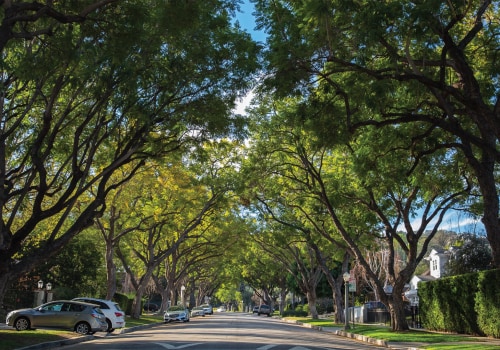
When it comes to real estate assets, the significance of tree maintenance cannot be overstated. Trees are not just a part of the landscape; they play a crucial role in enhancing property value, ensuring safety, and contributing to the overall aesthetics of a property. Well-maintained trees can increase curb appeal, making a property more attractive to potential buyers or tenants. In contrast, neglected trees can lead to a decline in property value and pose safety hazards. Regular tree maintenance is essential for preserving the health and beauty of trees on your property.
This includes routine inspections, pruning, and addressing any signs of disease or pest infestations. By investing in proper care, property owners can prevent costly damage that may arise from falling branches or uprooted trees during storms. Furthermore, healthy trees contribute to improved air quality and provide shade, which can enhance the outdoor experience for residents and visitors alike. In addition to aesthetic benefits, tree maintenance plays a vital role in the long-term care of real estate assets. Properties with well-maintained landscapes are often perceived as more valuable and desirable.
This perception can lead to higher rental rates or sale prices, making tree care an integral part of real estate management strategies. As we delve deeper into this topic, we will explore how often tree maintenance should be performed and the specific benefits it brings to real estate assets.
Factors Influencing Tree Maintenance Frequency
When considering tree maintenance for real estate assets, several key factors influence how often maintenance should be performed. Understanding these factors can help property managers and owners make informed decisions that promote tree health and enhance property value.Tree Species
The species of a tree plays a significant role in determining its maintenance needs. Some species are more resilient and require less frequent care, while others may need regular attention to thrive.For instance, fast-growing species like willows may need more frequent pruning compared to slower-growing varieties like oaks. Knowing the specific requirements of each tree species on your property can help establish a tailored maintenance schedule.
Age of the Trees
The age of a tree is another critical factor. Young trees often require more frequent maintenance to ensure proper growth and development, including staking, watering, and formative pruning. In contrast, mature trees may need less frequent intervention but should still be monitored for signs of decline or disease.Health Indicators
Regular assessments of tree health are essential in determining maintenance frequency.Look for indicators such as:
- Leaf discoloration: Yellowing or browning leaves can signal nutrient deficiencies or disease.
- Branch dieback: Dead or dying branches may indicate underlying health issues.
- Pest infestations: The presence of pests can compromise tree health and necessitate immediate action.
- Fungal growth: Mushrooms or other fungi at the base of a tree can suggest decay.
Environmental Conditions
The surrounding environment also affects how often trees need maintenance. Factors such as soil quality, moisture levels, and local climate conditions can impact tree health. For example, trees in drought-prone areas may require more frequent watering and care during dry spells, while those in urban settings might need regular pruning to manage growth near power lines or buildings.In summary, the frequency of tree maintenance for real estate assets is influenced by a combination of species, age, health indicators, and environmental conditions. By regularly assessing these factors, property owners can ensure their trees remain healthy and contribute positively to their real estate investments.Recommended Tree Maintenance Schedule for Different Seasons
Maintaining trees is crucial for the health of real estate assets, and a seasonal tree maintenance schedule ensures that trees receive the appropriate care throughout the year.Here’s a breakdown of essential tasks to perform in each season:
Spring
- Pruning: Remove dead or damaged branches to promote healthy growth.
- Fertilization: Apply a balanced fertilizer to support new growth.
- Pest Control: Inspect for pests and diseases, and treat as necessary.
Summer
- Watering: Ensure trees receive adequate water, especially during dry spells.
- Mulching: Apply mulch around the base to retain moisture and suppress weeds.
- Monitoring: Keep an eye out for signs of stress or pest infestations.
Fall
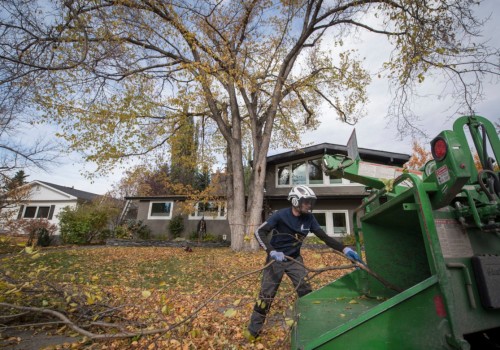
- Leaf Cleanup: Rake fallen leaves to prevent fungal diseases.
- Final Pruning: Conduct any necessary pruning before winter dormancy.
- Soil Testing: Test soil pH and nutrient levels to prepare for spring fertilization.
winter
- Protection: Wrap young trees to protect them from frost and animal damage.
- Planning: Assess the overall health of trees and plan for spring maintenance tasks.
- Inspection: Check for broken branches or structural issues that need attention in spring.
Common Tree Maintenance Practices for Real Estate Assets
Maintaining healthy trees is essential for enhancing the value and appeal of real estate assets. Regular tree maintenance practices not only promote growth but also prevent potential hazards and costly damages. Here are some key practices to consider:- Pruning Trees: Regular pruning is vital for the health of trees.
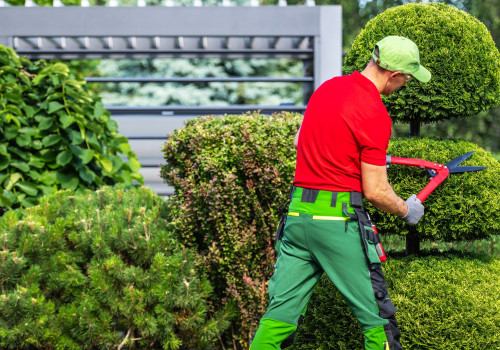
It involves removing dead or diseased branches, which helps improve air circulation and sunlight penetration. This practice also shapes the tree, promoting a strong structure and reducing the risk of falling limbs during storms.
- Fertilization: Trees require essential nutrients to thrive. Applying a balanced fertilizer can enhance soil quality and provide trees with the necessary nutrients for growth. It's important to conduct a soil test to determine the specific needs of your trees.
- Pest Control for Trees: Trees can be susceptible to various pests that can damage their health and appearance.
Implementing an effective pest control strategy is crucial. This may include regular inspections, introducing beneficial insects, or using organic pesticides when necessary.
- Disease Management: Identifying and managing tree diseases early can prevent widespread issues. Regular monitoring for signs of disease, such as discoloration or wilting leaves, allows for timely intervention. Consulting with an arborist can provide expert guidance on treatment options.
Signs That Indicate Trees Need Immediate Attention
Maintaining the health of trees is crucial for real estate assets, as neglected trees can pose significant risks to property and safety.Recognizing the signs that indicate trees need immediate attention is essential for property owners and managers. Here are some key indicators that a tree may require urgent maintenance:
- Dead or Dying Branches: If you notice branches that are brittle, dry, or devoid of leaves, this could indicate that the tree is unhealthy. Dead branches can fall unexpectedly, posing a hazard to people and property.
- Cracks or Splits in the Trunk: Visible cracks or splits in the trunk can compromise the structural integrity of the tree. This is often a sign of internal decay or disease, necessitating immediate evaluation by a professional.
- Fungal Growth: The presence of mushrooms or other fungi at the base of a tree or on its trunk can indicate rot or disease. This is a serious concern that requires prompt attention from an arborist.
- Leaning Trees: A tree that has suddenly begun to lean may be unstable and at risk of falling.
This can be caused by root damage or soil erosion, and it’s crucial to assess the situation quickly.
- Excessive Leaf Drop: If a tree is shedding leaves outside of its normal seasonal cycle, it may be experiencing stress due to disease, pests, or environmental factors.
The Role of Professional Arborists in Tree Maintenance
When it comes to tree maintenance for real estate assets, the expertise of professional arborists is invaluable. These trained specialists possess the knowledge and skills necessary to assess the health of trees, identify potential risks, and implement effective care strategies that promote longevity and vitality.Benefits of Hiring an Arborist
- Expert Assessment: Professional arborists conduct thorough evaluations of trees, considering factors such as species, age, and environmental conditions. This assessment helps in determining the specific needs of each tree.
- Risk Management: Trees can pose safety hazards if not properly maintained.
Arborists can identify weak branches or diseases that may lead to tree failure, allowing property owners to take proactive measures.
- Proper Pruning Techniques: Incorrect pruning can harm trees. Arborists use their expertise to prune trees correctly, enhancing their shape and health while minimizing stress.
- Pest and Disease Control: Arborists are trained to recognize signs of pest infestations or diseases. They can recommend appropriate treatments that are safe for both the tree and the surrounding environment.
- Long-term Care Plans: A professional arborist can develop a customized maintenance plan tailored to the specific needs of the trees on a property, ensuring ongoing health and beauty.
Furthermore, healthy trees can improve air quality and provide shade, making properties more desirable.Ultimately, investing in professional tree care not only safeguards the health of trees but also protects the investment in real estate assets. By prioritizing tree maintenance for real estate assets, property owners can ensure that their landscapes remain vibrant and appealing for years to come.
Cost Considerations for Tree Maintenance in Real Estate Management
When managing tree maintenance for real estate assets, understanding the associated costs is crucial for effective budgeting and resource allocation. The expenses can vary significantly based on several factors, including the size and health of the trees, the type of maintenance required, and the frequency of service.Tree Maintenance Costs
- Routine Care: Regular maintenance such as pruning, fertilization, and pest control can range from $100 to $1,000 per tree annually, depending on the tree's size and condition.
- Emergency Services: In cases of storm damage or disease, emergency tree removal can cost anywhere from $200 to $2,000 or more, depending on the complexity of the job.
- Consultation Fees: Hiring an arborist for assessments or consultations typically costs between $50 and $150 per hour.
Budgeting for Tree Care
To effectively budget for tree maintenance, real estate managers should consider the following strategies:
- Conduct Regular Assessments: Schedule annual inspections to identify potential issues early and plan for necessary maintenance.
- Create a Maintenance Schedule: Develop a timeline for routine care to spread costs evenly throughout the year, avoiding large unexpected expenses.
- Prioritize High-Value Trees: Focus resources on trees that enhance property value or pose risks if neglected.
Cost-Effective Tree Management Strategies
Implementing cost-effective strategies can help minimize expenses while ensuring healthy trees:
- Group Services: Consider bundling services with a single contractor to negotiate better rates.
- Invest in Education: Train staff on basic tree care techniques to reduce reliance on external services for minor tasks.
- Utilize Technology: Use software tools for tracking maintenance schedules and costs to optimize resource allocation.
FAQs About Tree Maintenance for Real Estate Assets
When it comes to tree maintenance for real estate assets, property owners often have several questions. Here are some of the most frequently asked questions that can help clarify common concerns and misconceptions.How often should tree maintenance be performed?
Generally, tree maintenance should be conducted at least once a year.However, the frequency may vary based on factors such as tree species, age, and local climate conditions. For instance, trees in urban areas may require more frequent inspections due to environmental stressors.
What are the signs that a tree needs maintenance?
- Dead or dying branches: If you notice branches that are brittle or devoid of leaves, it may be time for pruning.
- Pests or diseases: Look for signs of infestation or disease, such as unusual growths or discoloration.
- Root issues: Uprooted or exposed roots can indicate a problem that needs immediate attention.
Can tree maintenance increase property value?
Yes, regular tree maintenance can significantly enhance the aesthetic appeal of a property, which in turn can increase its market value. Well-maintained trees contribute to curb appeal and create a welcoming environment for potential buyers.Should I hire a professional for tree maintenance?
While some basic maintenance tasks can be performed by homeowners, hiring a professional arborist is advisable for more complex issues. Professionals have the expertise and equipment necessary to ensure that trees are maintained safely and effectively.What is the best time of year for tree maintenance?
The best time for tree maintenance typically falls during late winter or early spring before new growth begins.This timing allows for effective pruning and reduces stress on the trees.By addressing these common questions about tree care, property owners can make informed decisions regarding the management of their real estate assets.
Conclusion: Best Practices for Maintaining Trees on Real Estate Properties
In conclusion, tree maintenance for real estate assets is not just a matter of aesthetics; it is a crucial aspect of property management that directly impacts safety, property value, and the overall health of the landscape. Regular maintenance ensures that trees remain healthy and vibrant, reducing the risk of disease and pest infestations that can lead to costly repairs.To effectively manage trees on your property, consider the following best practices:- Regular Inspections: Schedule annual inspections to assess the health of your trees. Look for signs of disease, damage, or instability.
- Pruning: Implement a pruning schedule to remove dead or overgrown branches. This not only enhances the tree's appearance but also promotes healthy growth.
- Watering and Fertilization: Ensure that trees receive adequate water and nutrients, especially during dry spells or after planting.
- Pest Management: Monitor for pests and diseases regularly.
Early detection can prevent severe infestations that may threaten tree health.
- Professional Help: Engage certified arborists for complex tasks such as large tree removals or advanced treatments. Their expertise can save you time and money in the long run.