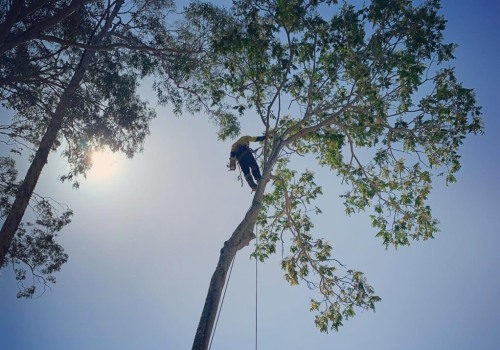
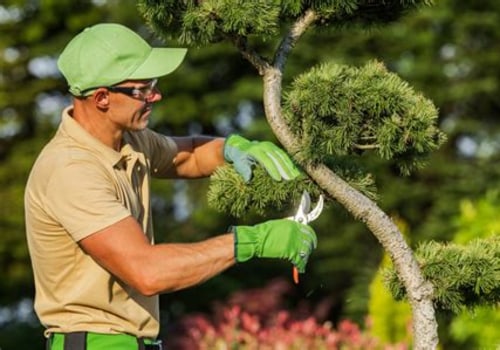
When it comes to managing tree maintenance for real estate assets, understanding the fundamentals of traditional tree maintenance is crucial. This approach typically involves a series of practices aimed at ensuring the health and longevity of trees on a property. These practices include regular inspections, pruning, fertilization, and pest management, all of which contribute to the aesthetic appeal and safety of the landscape. For real estate owners, maintaining healthy trees is not just about beautification; it also plays a significant role in enhancing property value and attracting potential buyers or tenants. Traditional tree care methods have been the go-to solution for many years, providing a structured way to manage trees effectively.
However, as environmental concerns grow and the demand for sustainable practices increases, it’s essential to explore whether these conventional methods are still the best option. While traditional maintenance can yield positive results, it often requires significant time and financial investment, which may not always align with the fast-paced nature of real estate management. As we delve deeper into this topic, we will examine various alternative options to traditional tree maintenance that can offer more efficient and eco-friendly solutions. By understanding these alternatives, real estate professionals can make informed decisions that not only preserve their landscapes but also contribute positively to the environment.
The Limitations of Traditional Tree Maintenance
Traditional tree maintenance for real estate assets often relies on a set of conventional practices that, while effective in some scenarios, come with significant limitations. Understanding these drawbacks is crucial for property managers and real estate investors who seek to maintain the health and aesthetic appeal of their landscapes.One of the primary limitations of traditional tree maintenance is the reliance on scheduled pruning and trimming.While these practices can help manage tree growth, they do not address underlying health issues that may affect the tree's vitality. For instance, trees suffering from disease or pest infestations may require more than just surface-level care; they need targeted interventions that traditional methods often overlook.Additionally, conventional tree care methods can be labor-intensive and costly. Regular maintenance schedules can strain budgets, especially for large properties with numerous trees. This financial burden can lead to deferred maintenance, resulting in trees that become hazardous or unsightly over time.
Challenges in tree care
also arise from environmental factors.
Traditional methods may not account for changing climate conditions, which can affect tree health and growth patterns. For example, increased temperatures and altered precipitation patterns can stress trees, making them more susceptible to diseases and pests. Without adaptive management strategies, traditional practices may fail to keep pace with these evolving challenges.Moreover, the use of chemical treatments in conventional tree maintenance poses environmental risks. Pesticides and herbicides can harm beneficial insects and disrupt local ecosystems.
As awareness of sustainability grows, many property owners are seeking alternatives that minimize chemical use while still effectively managing tree health.In summary, while traditional tree maintenance for real estate assets has its place, it is essential to recognize its limitations. The challenges associated with conventional methods highlight the need for innovative approaches that prioritize long-term tree health and environmental sustainability.
Alternative Tree Maintenance Options
As the demand for sustainable practices grows, alternative tree maintenance options are becoming increasingly popular among real estate asset managers. These methods not only promote the health of trees but also enhance the overall value of properties.One of the most effective eco-friendly tree care techniques is the use of organic fertilizers and pest control methods. Unlike traditional chemical treatments, organic solutions minimize environmental impact and promote biodiversity.For instance, using compost or natural mulch can improve soil health and provide essential nutrients to trees without harming surrounding ecosystems.Another innovative approach is the implementation of smart technology in tree management. Sensors can be installed to monitor soil moisture levels, tree health, and environmental conditions. This data allows property managers to make informed decisions about watering schedules and maintenance needs, ultimately leading to healthier trees and reduced resource waste.
- Integrated Pest Management (IPM): This strategy combines biological control, habitat manipulation, and resistant plant varieties to manage pests sustainably.
- Tree Canopy Management: By selectively pruning trees to enhance their natural shape, property managers can improve air circulation and sunlight penetration, promoting healthier growth.
- Community Involvement: Engaging local communities in tree care initiatives fosters a sense of ownership and responsibility, leading to better maintenance practices.
Eco-Friendly Tree Care Practices
In the realm of tree maintenance for real estate assets, adopting eco-friendly tree care practices not only enhances the aesthetic appeal of properties but also contributes positively to the environment.Sustainable tree maintenance methods focus on preserving the health of trees while minimizing ecological impact.
Organic Tree Care Methods
- Natural Pest Control: Instead of relying on chemical pesticides, consider using natural alternatives such as neem oil or insecticidal soap. These organic solutions effectively manage pests without harming beneficial insects or the surrounding ecosystem.
- Composting: Utilizing compost as a soil amendment enriches the soil with nutrients, promoting healthy tree growth. This practice reduces the need for synthetic fertilizers, which can leach into waterways and disrupt local ecosystems.
- Mulching: Applying organic mulch around tree bases helps retain moisture, suppress weeds, and improve soil quality as it decomposes. This simple practice can significantly reduce the need for frequent watering and chemical weed control.
Sustainable Practices for Tree Maintenance
- Proper Pruning Techniques: Regular pruning is essential for maintaining tree health.
However, using sustainable methods such as selective pruning can enhance tree structure and longevity while minimizing waste.
- Water Conservation: Implementing drip irrigation systems or rainwater harvesting can ensure trees receive adequate hydration without excessive water use. This approach is particularly beneficial in areas prone to drought.
- Diversity in Planting: Incorporating a variety of tree species can enhance biodiversity and resilience against pests and diseases. This practice not only supports local wildlife but also creates a more visually appealing landscape.
Technological Innovations in Tree Maintenance
In recent years, technology has revolutionized the way we approach tree maintenance for real estate assets.Traditional methods, while effective, often lack the efficiency and precision that modern innovations can provide. One of the most significant advancements in this field is the use of drones.
Drones
equipped with high-resolution cameras and sensors can survey large areas of property quickly and accurately. This aerial perspective allows property managers to assess tree health, identify potential hazards, and monitor growth patterns without the need for extensive ground inspections. By utilizing drone technology, real estate professionals can save time and resources while ensuring that their trees are well-maintained.Another exciting development is the implementation of smart irrigation systems.These systems utilize sensors to monitor soil moisture levels and weather conditions, allowing for precise watering schedules tailored to the specific needs of each tree. This not only conserves water but also promotes healthier tree growth by preventing over or under-watering. For real estate assets, this means maintaining lush landscapes that enhance property value without incurring excessive maintenance costs.Furthermore, integrating data analytics into tree maintenance practices can provide valuable insights into tree health and growth trends. By analyzing data collected from drones and smart irrigation systems, property managers can make informed decisions about pruning, fertilization, and pest control.
This proactive approach minimizes risks associated with tree diseases and infestations, ultimately protecting the investment in real estate assets.In conclusion, embracing these technological innovations not only streamlines tree maintenance for real estate assets but also enhances overall property management strategies. As technology continues to evolve, it will undoubtedly play a crucial role in shaping the future of landscape care.
Cost-Effectiveness of Alternative Methods
When it comes to tree maintenance for real estate assets, the financial implications of traditional methods can be significant. However, exploring alternative options can lead to substantial cost savings without compromising the health and aesthetics of the trees.Cost-Effective Tree Maintenance Strategies
- Regular Monitoring: Implementing a routine inspection schedule can help identify potential issues early, reducing the need for costly emergency interventions.
- Natural Pruning Techniques: Utilizing natural pruning methods, such as selective thinning, can promote healthier growth while minimizing labor costs associated with traditional pruning.
- Mulching and Ground Cover: Investing in mulch and ground cover plants can reduce the need for frequent watering and weeding, leading to lower maintenance costs over time.
Budget-Friendly Tree Care Options
- Community Programs: Many local governments offer free or low-cost tree care workshops and programs that provide resources and education on maintaining trees effectively.
- DIY Maintenance: For those with some gardening knowledge, performing basic maintenance tasks such as watering, mulching, and minor pruning can save on labor costs.
- Partnerships with Local Arborists: Establishing relationships with local arborists may lead to discounted services or bundled maintenance packages that are more affordable than traditional contracts.
Financial Benefits of Alternative Methods
The financial benefits of adopting alternative tree maintenance methods extend beyond immediate savings. Healthier trees contribute to increased property values, improved curb appeal, and reduced energy costs through natural shading.
Additionally, by minimizing reliance on expensive equipment and labor-intensive practices, real estate owners can allocate their budgets more effectively, investing in other critical areas of property management.In conclusion, exploring cost-effective tree maintenance options not only enhances the sustainability of real estate assets but also provides significant financial advantages. By embracing innovative practices and community resources, property owners can ensure their trees thrive while keeping expenses in check.
Case Studies: Successful Implementation of Alternative Methods
In recent years, several real estate assets have successfully adopted alternative tree maintenance methods that not only enhance the aesthetic appeal of properties but also promote sustainability and cost-effectiveness. Here are a few notable case studies:1.Urban Green Spaces in New York City
The New York City Department of Parks and Recreation implemented a program utilizing volunteer tree care initiatives. Local residents were trained to care for street trees, which significantly reduced maintenance costs while fostering community engagement.This approach not only improved the health of the trees but also increased property values in surrounding neighborhoods.
2.Eco-Friendly Solutions in San Francisco
A real estate development in San Francisco adopted integrated pest management (IPM) techniques to maintain the health of its landscaped trees. By using natural predators and organic treatments instead of chemical pesticides, the development minimized environmental impact and appealed to eco-conscious buyers. This innovative approach resulted in healthier trees and a 20% increase in tenant satisfaction.3.Automated Tree Monitoring in Austin
An innovative property management company in Austin integrated smart technology into their tree maintenance strategy. By installing sensors that monitor soil moisture and tree health, they were able to optimize watering schedules and reduce water usage by 30%.This not only lowered operational costs but also demonstrated a commitment to sustainability, attracting environmentally aware tenants.These case studies illustrate that by embracing alternative tree maintenance methods, real estate assets can achieve significant benefits, including cost savings, enhanced property value, and improved community relations. As more property managers recognize the advantages of these innovative solutions, we can expect to see a shift towards more sustainable practices in the industry.
Frequently Asked Questions about Tree Maintenance Alternatives
When considering tree maintenance for real estate assets, many property owners have questions about alternative methods that can be both effective and environmentally friendly. Here are some frequently asked questions regarding these alternatives:- What are some eco-friendly alternatives to traditional tree maintenance?
Eco-friendly options include organic fertilizers, natural pest control methods, and mulching. These practices not only promote healthy tree growth but also minimize the impact on the surrounding ecosystem. - Can I use technology for tree maintenance?
Yes! Technologies such as drone surveys and tree health monitoring apps can provide valuable insights into the condition of your trees, allowing for targeted maintenance without unnecessary interventions. - Are there benefits to using native plants in landscaping?
Absolutely! Native plants require less water and maintenance, are more resistant to local pests, and support local wildlife.Incorporating them into your landscape can reduce the need for intensive tree maintenance.
- How can I ensure my tree maintenance practices are sustainable?
To maintain sustainability, consider practices such as selective pruning, which promotes healthy growth while minimizing waste. Additionally, using compost and organic mulch can enhance soil health without chemical additives. - What role do community programs play in tree maintenance?
Many communities offer programs that promote tree planting and maintenance. Participating in these initiatives can provide resources and support while fostering a sense of community responsibility towards local green spaces.
Conclusion: The Future of Tree Maintenance for Real Estate Assets
As we have explored throughout this article, tree maintenance for real estate assets is a critical component of property management that can significantly impact both aesthetic appeal and property value.Traditional methods, while effective, often come with limitations such as high costs, environmental concerns, and the potential for disruption to the surrounding ecosystem.In light of these challenges, it is essential for real estate professionals to consider alternative options that not only enhance the health and appearance of trees but also align with sustainable practices. Techniques such as integrated pest management, natural pruning methods, and the use of biodegradable products can provide effective solutions that minimize environmental impact.Moreover, embracing technology through drones for aerial assessments or smart irrigation systems can lead to more efficient and precise tree care. These innovations not only save time and resources but also ensure that trees receive the specific care they need based on real-time data.Ultimately, the future of tree maintenance for real estate assets lies in a balanced approach that combines traditional knowledge with modern techniques. By adopting these alternative methods, property managers can foster healthier landscapes that contribute to the overall value and appeal of their assets.In conclusion, as the real estate market continues to evolve, so too must our strategies for maintaining the natural elements within it.
Prioritizing sustainable and innovative tree maintenance practices will not only benefit individual properties but also promote a greener future for our communities.