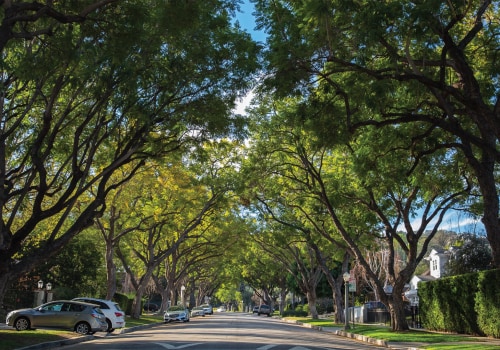
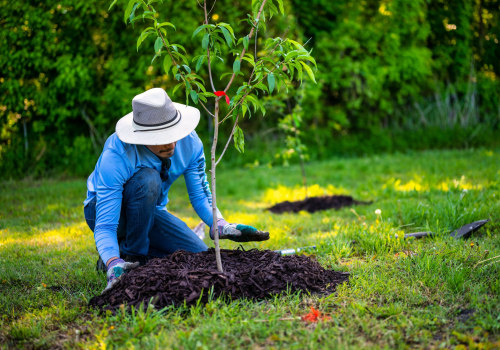
When it comes to managing real estate assets, the significance of tree maintenance cannot be overstated. Trees not only enhance the aesthetic appeal of a property but also play a crucial role in its overall value and safety. Neglecting the health and upkeep of trees can lead to a myriad of issues, from decreased property value to potential hazards that could endanger residents and visitors alike. Understanding the importance of tree maintenance is essential for property owners and real estate investors. Healthy trees can provide shade, reduce energy costs, and improve air quality, all of which contribute positively to the living environment.
Furthermore, well-maintained trees can significantly increase curb appeal, making a property more attractive to potential buyers or renters. On the flip side, failing to address tree health can result in costly damages, such as falling branches or uprooted trees during storms. In addition to enhancing property value, regular tree maintenance is vital for ensuring safety on the premises. Overgrown or diseased trees can pose serious risks, including property damage and personal injury. By investing in routine inspections and maintenance, property owners can mitigate these risks while fostering a healthier landscape that benefits both the environment and the community.
Common Signs Indicating the Need for Tree Maintenance
Maintaining the health of trees on real estate assets is crucial for both aesthetic appeal and property value.Here are some common signs that indicate a need for tree maintenance.
- Dead or Dying Branches: If you notice branches that are dead, brittle, or have no leaves, it’s a clear sign that the tree may be unhealthy. These branches can pose a risk of falling and should be removed promptly.
- Excessive Leaf Drop: Trees that shed leaves excessively, especially outside of their normal seasonal cycle, may be experiencing stress. This could be due to disease, pests, or environmental factors.
- Fungal Growth: The presence of mushrooms or other fungi at the base of a tree can indicate decay. Fungi thrive on decaying wood, suggesting that the tree may be compromised and in need of professional assessment.
- Cracks in the Bark: Cracks or splits in the bark can expose the tree to pests and diseases.
If you observe these signs, it’s essential to consult an arborist to evaluate the tree's health.
- Lean or Tilt: A tree that is leaning significantly may be unstable and at risk of falling. This could be due to root damage or soil erosion, necessitating immediate attention.
Visual Indicators of Tree Health Issues
When assessing the health of trees on real estate assets, visual indicators play a crucial role in determining whether maintenance is necessary. Property owners should be vigilant in observing the following signs:- Leaf Discoloration: Healthy leaves are typically vibrant and green.
If you notice yellowing, browning, or spots on the leaves, it may indicate nutrient deficiencies, disease, or pest infestations.
- Dead or Dying Branches: Branches that are brittle, dry, or devoid of leaves can signify that a tree is struggling. Regularly inspect the tree for any dead limbs that may pose a risk to property or people.
- Overall Tree Shape: A tree should have a balanced and symmetrical shape. If you observe significant leaning or an uneven canopy, it could suggest structural issues that require immediate attention.
- Foliage Health: The density and vitality of foliage are key indicators of tree health. Sparse foliage or premature leaf drop can signal stress factors such as drought, disease, or root problems.
Furthermore, if you notice any unusual insect activity or nests in the branches, it may be time to consult a professional for tree maintenance.By being proactive and recognizing these visual cues early on, property owners can ensure the longevity and health of their trees, ultimately enhancing the value of their real estate assets.
Structural Concerns: When Trees Become Hazards
When it comes to tree maintenance for real estate assets, recognizing the signs of structural concerns is crucial. Trees that exhibit leaning, root damage, or other physical abnormalities can pose significant hazards to properties and their occupants.Leaning Trees
- A tree that leans significantly may indicate an unstable root system. This instability can lead to the tree falling, especially during storms or high winds.
- Inspect the angle of lean; a tree that leans more than 15 degrees from vertical should be evaluated by a professional.
Root Damage
- Roots are essential for a tree's stability. If you notice exposed roots or roots that are visibly damaged, this can compromise the tree's ability to anchor itself.
- Look for signs of soil erosion around the base of the tree, which can further destabilize it.
Cracks and Cavities
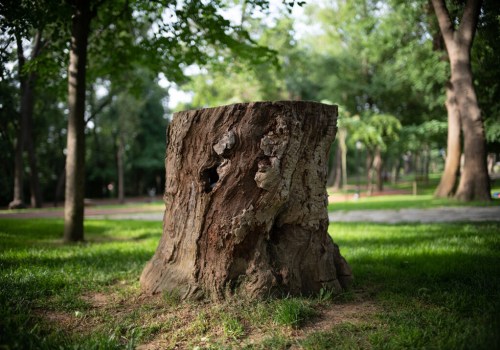
- Inspect the trunk for any cracks or cavities.
These can indicate internal decay, weakening the tree's structure and increasing the risk of failure.
- Cavities can also attract pests, which may exacerbate the problem.
Dead or Dying Branches
- Branches that are dead or dying can fall unexpectedly, posing a risk to people and property below. Regularly inspect trees for any signs of deadwood.
- If more than 25% of a tree's branches are dead, it may be time to consider removal or significant pruning.
Safety Concerns
Addressing these structural issues promptly is essential not only for the health of the trees but also for ensuring the safety of your real estate assets. Neglecting these signs can lead to costly damages and liability issues. Regular assessments by a certified arborist can help maintain the integrity of your trees and protect your investment.
Environmental Factors Affecting Tree Health
Understanding the environmental factors that affect tree health is crucial for maintaining the value of real estate assets.Trees are not only aesthetic features but also play a significant role in the overall ecosystem. Various environmental conditions can lead to stress and decline in tree health, necessitating timely maintenance.
Drought Conditions
- Drought can severely impact trees by limiting their access to water, which is essential for their survival. Signs of drought stress include wilting leaves, leaf drop, and stunted growth.
- In prolonged drought situations, trees may develop shallow root systems as they search for moisture, making them more susceptible to wind damage and disease.
Storm Damage
- Severe weather events such as storms can cause physical damage to trees, including broken branches and uprooting. This not only affects the tree's health but can also pose safety hazards to nearby properties.
- After a storm, it’s essential to assess trees for any signs of damage.
Prompt removal of hazardous limbs and proper pruning can help mitigate further issues.
Soil Conditions
- The quality of soil plays a vital role in tree health. Poor soil conditions, such as compaction or contamination, can hinder root development and nutrient uptake.
- Regular soil testing can help identify deficiencies in nutrients or pH levels that may require amendments to support healthy tree growth.
The Role of Professional Tree Services in Maintenance
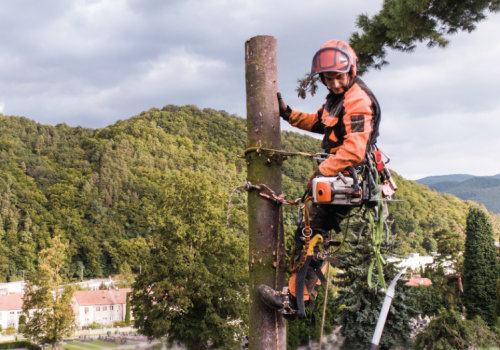
When it comes to tree maintenance for real estate assets, enlisting the help of professional tree services can make a significant difference in the health and longevity of your trees. These experts bring specialized knowledge and equipment that can ensure your trees are well-cared for, ultimately enhancing the value of your property.Benefits of Hiring Tree Maintenance Experts
- Expert Assessment: Professional arborists can accurately assess the health of your trees, identifying issues that may not be visible to the untrained eye.
This early detection can prevent costly damage in the future.
- Proper Techniques: Tree maintenance involves more than just trimming branches. Professionals use industry-standard techniques to promote healthy growth and prevent disease, ensuring that your trees thrive.
- Safety First: Tree work can be dangerous, especially when dealing with large or diseased trees. Hiring experts minimizes the risk of accidents and injuries, protecting both your property and those who work on it.
- Time Efficiency: Professional services can complete tree maintenance tasks more quickly and efficiently than a DIY approach, allowing you to focus on other important aspects of managing your real estate assets.
- Long-Term Care: Many tree service companies offer ongoing maintenance plans, ensuring that your trees receive regular care throughout the year. This proactive approach helps maintain the aesthetic appeal and health of your landscape.
The benefits of expert care not only enhance the beauty of your landscape but also contribute to the overall value and safety of your property.
FAQs About Tree Maintenance for Real Estate Assets
When it comes to tree maintenance for real estate assets, property owners often have several questions. Here are some of the most frequently asked questions:- What are the signs that a tree needs maintenance? Look for signs such as dead or dying branches, peeling bark, and excessive leaf drop. Additionally, if a tree is leaning or has visible cracks in its trunk, it may require immediate attention.
- How often should trees be inspected? It is advisable to inspect trees at least once a year, especially before and after severe weather events. Regular inspections can help identify potential issues early.
- Can tree maintenance increase property value? Yes, well-maintained trees can enhance curb appeal and increase the overall value of a property.
Healthy trees contribute to a more attractive landscape, which can be appealing to potential buyers.
- What is the best time for tree pruning? The best time for pruning most trees is during their dormant season, typically late winter to early spring. This timing helps minimize stress on the tree and promotes healthy growth.
- Should I hire a professional for tree maintenance? While some minor tasks can be handled by homeowners, hiring a certified arborist or tree care professional is recommended for larger trees or complex issues. Professionals have the expertise and equipment to ensure safe and effective maintenance.
Conclusion: Prioritizing Tree Maintenance for Property Value and Safety
In conclusion, tree maintenance for real estate assets is not merely an aesthetic consideration; it is a crucial aspect of property management that directly impacts both safety and value.As we have discussed, the signs indicating a need for tree maintenance can range from visible damage to the tree's structure to more subtle signs like changes in leaf color or growth patterns. Ignoring these signs can lead to significant risks, including property damage and safety hazards.Proactive tree maintenance not only enhances the visual appeal of a property but also contributes to its overall health and longevity. Regular inspections and timely interventions can prevent costly repairs and ensure that trees remain a valuable asset rather than a liability. Here are some key takeaways:
- Regular Inspections: Schedule routine assessments of your trees to identify potential issues early.
- Professional Help: Engage certified arborists for expert advice and maintenance services.
- Safety First: Prioritize the safety of residents and visitors by addressing hazardous trees promptly.
- Enhance Property Value: Well-maintained trees can significantly increase the market value of your real estate assets.
By prioritizing this essential aspect of property management, you not only protect your investment but also contribute to a safer and more attractive environment for all who visit or reside on your property.