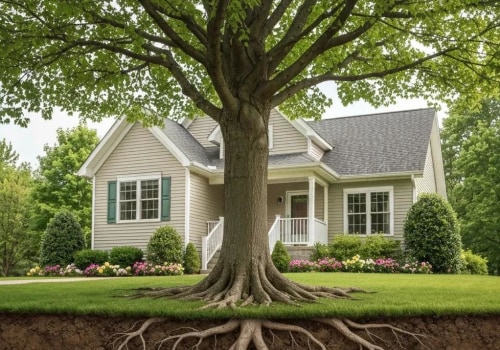
Maintaining trees on real estate assets is not merely a matter of aesthetics; it plays a crucial role in enhancing property value and ensuring long-term sustainability.
Tree maintenance for real estate assets
encompasses a variety of practices that contribute to the overall health of the trees, which in turn positively impacts the surrounding environment and the property itself. Healthy trees can significantly increase curb appeal, making properties more attractive to potential buyers or tenants. Moreover, well-maintained trees provide numerous benefits that extend beyond visual appeal. They offer shade, reduce energy costs, and improve air quality, creating a more pleasant living environment.In urban settings, trees can mitigate heat island effects and contribute to biodiversity, making them invaluable assets in real estate management. By investing in regular tree care, property owners can ensure that their landscapes remain vibrant and inviting. In the realm of real estate asset management, understanding the importance of tree maintenance is essential for maximizing investment returns. Properties with healthy, well-maintained trees often command higher market values and attract more interest from prospective buyers. Additionally, proactive tree care can prevent costly damage from falling branches or disease outbreaks, safeguarding both the property and its occupants.
As such, integrating tree maintenance into overall property management strategies is not just beneficial; it is a wise investment in the future of any real estate asset.
Assessing Your Tree Maintenance Needs
To effectively manage tree maintenance for real estate assets, it is crucial to begin with a thorough assessment of your trees. This process involves evaluating the current state of the trees on your property, identifying any health issues, and determining the necessary maintenance requirements.Conducting a Tree Health Evaluation
- Visual Inspection: Start with a visual inspection of each tree. Look for signs of distress such as discolored leaves, dead branches, or unusual growth patterns. These can indicate underlying health problems.
- Check for Pests: Examine the bark and leaves for signs of pests or diseases.
Look for holes, webbing, or sticky residue that may suggest an infestation.
- Soil Condition: Assess the soil around the tree. Compacted soil or poor drainage can affect tree health. Consider conducting a soil test to check nutrient levels.
Determining Maintenance Needs
- Pruning Requirements: Based on your evaluation, determine if pruning is necessary. Removing dead or diseased branches can improve overall tree health and aesthetics.
- Irrigation Needs: Assess whether your trees are receiving adequate water.
Newly planted trees often require more frequent watering until established.
- Fertilization: If soil tests indicate nutrient deficiencies, consider applying fertilizer to promote healthy growth.
Cost-Effective Tree Maintenance Techniques
Maintaining trees on real estate assets doesn't have to break the bank. By implementing cost-effective tree maintenance techniques, property owners can ensure their trees remain healthy and aesthetically pleasing without incurring high expenses. Here are some practical methods to consider:- Regular Pruning: Pruning is essential for tree health and can be done affordably.
Focus on removing dead or diseased branches to promote growth and prevent potential hazards. Use sharp, clean tools to make precise cuts, and consider doing this during the tree's dormant season for optimal results.
- Mulching: Applying a layer of mulch around the base of trees helps retain moisture, suppress weeds, and improve soil quality. Organic materials like wood chips or shredded leaves are inexpensive options that can be sourced locally or even made from yard waste.
- Pest Management: Keeping an eye out for pests is crucial in maintaining tree health. Instead of expensive chemical treatments, consider natural remedies such as neem oil or insecticidal soap.
Regularly inspecting trees for signs of infestation allows for early intervention, which can save money in the long run.
- DIY Tree Care Tips: Educating yourself about tree care can significantly reduce costs. Online resources, local workshops, or community gardening groups often provide valuable information on tree maintenance techniques. Learning how to identify common diseases and pests can empower you to take action before issues escalate.
Utilizing Professional Services Wisely
When it comes to tree maintenance for real estate assets, knowing when to engage professional services can significantly impact both the health of your trees and your budget.While regular upkeep can often be managed in-house, certain situations warrant the expertise of trained professionals.
When to Hire Professionals
- Complex Tree Issues: If you notice signs of disease, pest infestations, or structural problems, hiring an arborist is essential. These experts can diagnose issues that may not be visible to the untrained eye.
- Large Trees: For properties with large or mature trees, professional services are crucial for safe pruning or removal. Attempting these tasks without proper equipment and knowledge can lead to accidents and property damage.
- Regulatory Compliance: Some municipalities have regulations regarding tree maintenance. Professionals are familiar with local laws and can ensure compliance, avoiding potential fines.
Choosing Cost-Effective Services
To maximize value when hiring tree maintenance services, consider the following tips:
- Get Multiple Quotes: Always obtain at least three estimates from different companies.
This not only helps you gauge the market rate but also allows you to compare services offered.
- Check Credentials: Ensure that the arborists you consider are certified and insured. This protects you from liability in case of accidents and ensures that you are hiring qualified professionals.
- Ask for References: A reputable service will gladly provide references from previous clients. This can give you insight into their reliability and quality of work.
- Look for Package Deals: Some companies offer bundled services at a discounted rate. For example, combining tree trimming with pest control can save you money in the long run.
Seasonal Tree Care Tips for Real Estate Owners
Maintaining the health of trees on real estate assets requires a proactive approach throughout the year.By implementing seasonal tree maintenance strategies, property owners can ensure their trees remain healthy and vibrant, ultimately enhancing the value of their properties.
Winter Tree Care
During the winter months, trees enter a dormant phase, making it an ideal time for certain maintenance tasks:- Pruning: Remove dead or diseased branches to prevent further damage and promote healthy growth in spring.
- Mulching: Apply a layer of mulch around the base of trees to insulate roots and retain moisture.
- Inspection: Check for signs of pests or diseases that may have developed during the warmer months.
Spring Tree Care
As trees awaken from dormancy, spring is crucial for their growth:- Fertilization: Apply a balanced fertilizer to provide essential nutrients that support new growth.
- Watering: Ensure trees receive adequate water, especially if rainfall is scarce.
- Pest Control: Monitor for pests and apply organic treatments as necessary to protect young leaves.
Summer Tree Care Tips
The summer heat can stress trees, so it's important to focus on their hydration and health:- Irrigation: Deep watering is essential; aim for at least an inch of water per week.
- Weed Control: Keep the area around trees free from weeds that compete for nutrients and water.
- Canopy Management: Thin out dense foliage to improve air circulation and reduce the risk of disease.
Fall Tree Care
As leaves begin to fall, it's time to prepare trees for winter:- Leaf Cleanup: Rake fallen leaves to prevent fungal diseases and pests from overwintering.
- Final Watering: Ensure trees are well-watered before the ground freezes to help them survive winter.
- Wrap Young Trees: Use tree wraps to protect young trunks from frost damage and sunscald.
Common Mistakes to Avoid in Tree Maintenance
Maintaining trees on real estate assets is crucial for both aesthetic appeal and property value. However, many property owners make common mistakes that can lead to costly consequences. Here are some frequent pitfalls to avoid:- Neglecting Regular Inspections: Failing to regularly inspect trees can result in unnoticed diseases or pest infestations. Schedule routine assessments to catch issues early.
- Improper Pruning Techniques: Over-pruning or incorrect cutting can harm trees, leading to stunted growth or even death.
Always use proper techniques and tools, and consider hiring a professional if unsure.
- Ignoring Soil Health: Trees require healthy soil for optimal growth. Avoid compacting the soil around tree roots and ensure proper drainage to prevent root rot.
- Using Inappropriate Mulch: While mulch is beneficial, using the wrong type or applying it too thickly can suffocate roots. Use organic mulch and keep it a few inches away from the trunk.
- Overwatering or Underwatering: Both extremes can stress trees. Understand the specific water needs of your tree species and adjust your watering schedule accordingly.
This proactive approach not only preserves the health of the trees but also enhances the overall value of the property.
FAQs About Tree Maintenance for Real Estate Assets
When it comes to tree maintenance for real estate assets, property owners often have numerous questions. Here are some of the most frequently asked questions that can help clarify common concerns and misconceptions.What is the best time of year for tree maintenance?
The ideal time for tree maintenance largely depends on the type of trees you have. Generally, late winter or early spring is considered the best time for pruning, as trees are still dormant and can heal quickly once they start to grow again. However, specific species may have different needs, so it's essential to research or consult with a professional.How often should I inspect my trees?
Regular inspections are crucial for maintaining healthy trees.It is recommended to inspect your trees at least once a year, but more frequent checks may be necessary after severe weather events or if you notice any signs of disease or damage. Look for signs such as:
- Dead or dying branches
- Unusual growth patterns
- Pests or fungi
Can I perform tree maintenance myself?
While some basic maintenance tasks, like raking leaves or watering, can be done by property owners, more complex tasks such as pruning large branches or diagnosing diseases should be left to professionals. Improper techniques can lead to further damage or even endanger the tree's health.What are the signs that a tree needs professional care?
If you notice any of the following signs, it may be time to call in a professional:- Large cracks in the trunk
- Excessive leaf drop
- Visible decay or fungus
- Tree leaning significantly
How can I save money on tree maintenance?
To keep costs down while ensuring effective tree maintenance for real estate assets, consider the following tips:- Schedule regular inspections to catch issues early.
- Invest in preventive care like mulching and proper watering.
- Group tree services together when hiring professionals.
Conclusion: Sustainable Tree Maintenance Practices for Long-Term Benefits
In conclusion, implementing sustainable tree maintenance practices is essential for maximizing the long-term benefits of trees on real estate assets. By focusing on cost-effective strategies, property owners can ensure that their trees remain healthy and vibrant while also enhancing the overall value of their properties. Throughout this article, we have explored various methods that not only save money but also promote environmental sustainability.Here are some key takeaways:
- Regular Inspections: Conducting routine assessments of tree health can help identify potential issues early, allowing for timely interventions that prevent costly damage.
- Mulching: Applying mulch around the base of trees conserves moisture, suppresses weeds, and improves soil health, all of which contribute to the longevity of the trees.
- Pruning: Proper pruning techniques not only enhance the aesthetic appeal of trees but also reduce the risk of disease and structural failure, ultimately saving on future maintenance costs.
- Community Resources: Engaging with local arborist programs or community workshops can provide valuable knowledge and resources for effective tree care without incurring high expenses.