Tree maintenance is a critical aspect of property management that often goes overlooked, yet it plays a vital role in preserving the value and appeal of real estate assets.
Tree care
encompasses a range of practices aimed at ensuring the health and longevity of trees, which can significantly enhance the aesthetic and functional aspects of a property. For property owners, understanding the importance of tree maintenance is essential not only for the visual appeal but also for the overall health of the landscape. Healthy trees contribute to a property's curb appeal, making it more attractive to potential buyers or tenants. Well-maintained trees can provide shade, reduce energy costs, and even improve air quality, all of which are appealing features in today’s real estate market.Furthermore, tree health directly impacts the safety and functionality of outdoor spaces. Neglected trees can become hazardous, posing risks such as falling branches or root damage to structures and pavements. In addition to enhancing aesthetic value and safety, regular tree maintenance can prevent costly repairs in the long run. By investing in proper care—such as pruning, fertilization, and disease management—property owners can avoid the expenses associated with tree removal or damage control. Ultimately, prioritizing tree maintenance for real estate assets is not just about keeping a property looking good; it’s about safeguarding an investment that can yield significant returns over time.
The Impact of Trees on Property Value
When considering tree maintenance for real estate assets, it is essential to understand the profound impact that trees can have on property value.Numerous studies have shown that well-maintained trees not only enhance the aesthetic appeal of a property but also contribute significantly to its market value.According to a study by the USDA Forest Service, properties with mature trees can see an increase in value ranging from 7% to 19%. This increase is attributed to several factors:
- Visual Appeal: Trees provide natural beauty and create a welcoming environment, making properties more attractive to potential buyers.
- Energy Efficiency: Strategically placed trees can reduce energy costs by providing shade in the summer and windbreaks in the winter, which is an appealing feature for energy-conscious buyers.
- Environmental Benefits: Trees improve air quality, reduce noise pollution, and support local wildlife, contributing to a healthier living environment.
Therefore, prioritizing tree maintenance for real estate assets is not just about aesthetics; it is a strategic investment that can yield significant financial returns.
Benefits of Regular Tree Maintenance
Regular tree maintenance for real estate assets offers a multitude of benefits that enhance both the aesthetic appeal and overall value of a property. One of the most immediate advantages is the improvement in visual aesthetics. Well-maintained trees can significantly elevate the curb appeal of a property, making it more attractive to potential buyers or tenants. This visual enhancement can lead to quicker sales and higher rental prices, as first impressions are crucial in real estate.In addition to aesthetics, regular tree maintenance plays a vital role in ensuring tree health.Pruning, trimming, and disease management help maintain the vitality of trees, allowing them to thrive and grow. Healthy trees not only look better but also contribute positively to the environment by improving air quality and providing shade. This can lead to reduced energy costs for cooling in warmer months, further increasing the property's value.
Safety is another critical aspect
of tree maintenance. Overgrown or damaged trees can pose significant risks, including falling branches or even entire trees during storms.
Regular inspections and maintenance can identify potential hazards before they become serious issues, protecting both residents and property. This proactive approach not only safeguards lives but also minimizes liability for property owners.The environmental impact of trees cannot be overstated. Trees play a crucial role in carbon sequestration, helping to mitigate climate change effects. They also provide habitats for wildlife and contribute to biodiversity.
By investing in regular tree maintenance, property owners are not only enhancing their assets but also supporting environmental sustainability.In summary, the benefits of regular tree maintenance for real estate assets extend beyond mere aesthetics. From improving safety and enhancing tree health to making a positive environmental impact, these practices are essential for maximizing property value and appeal.
Common Tree Maintenance Practices for Real Estate Owners
Maintaining healthy trees is essential for real estate owners, not only for aesthetic appeal but also for the overall value of the property. Here are some common tree maintenance practices that can help ensure the longevity and health of trees on your property.Pruning and Trimming
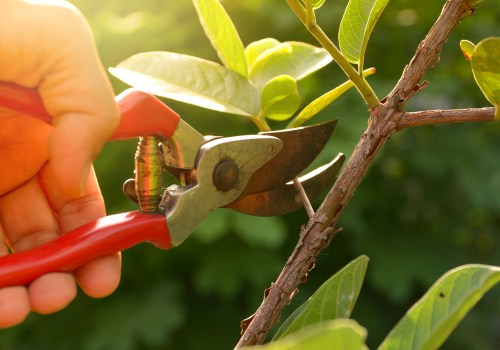
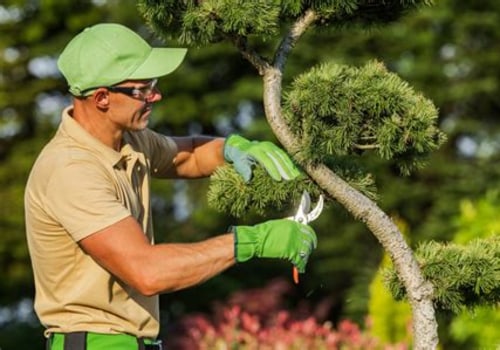
Pruning is a critical practice that involves removing dead or overgrown branches to promote healthy growth. Regular pruning helps improve air circulation and sunlight penetration, which are vital for a tree's health.It also reduces the risk of falling branches, which can pose safety hazards. Real estate owners should consider hiring a professional arborist for this task, especially for larger trees.
Regular Inspections
Conducting regular inspections of your trees can help identify potential issues before they become serious problems. Look for signs of disease, such as discolored leaves or unusual growth patterns. Early detection allows for timely intervention, which can save both the tree and your investment.Disease Management
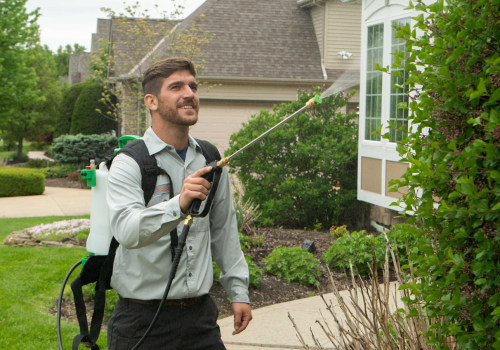
Implementing a disease management plan is crucial for maintaining tree health.This includes monitoring for pests and diseases and applying appropriate treatments when necessary. Using organic pesticides or fungicides can be effective while minimizing harm to the surrounding environment.
Watering and Fertilization
Watering is essential, especially during dry spells. Young trees require more frequent watering to establish strong root systems. Additionally, applying a balanced fertilizer can provide essential nutrients that promote healthy growth.However, it’s important to follow recommended guidelines to avoid over-fertilization, which can harm the tree.
Mulching
Mulching around the base of trees helps retain moisture, suppress weeds, and regulate soil temperature. Organic mulch materials, such as wood chips or bark, also decompose over time, enriching the soil with nutrients.By implementing these tree care tips, real estate owners can enhance the beauty and value of their properties while ensuring that their trees remain healthy and vibrant for years to come.The Role of Professional Arborists in Tree Maintenance
When it comes to tree maintenance for real estate assets, the expertise of professional arborists is invaluable. These trained specialists possess the knowledge and skills necessary to assess the health of trees, identify potential risks, and implement effective care strategies that can significantly enhance the value of a property.Understanding Arborist Services
- Tree Health Assessments: Professional arborists conduct thorough evaluations of trees to determine their health and structural integrity. This assessment helps in identifying diseases, pest infestations, or structural weaknesses that could pose risks to nearby properties.
- Pruning and Trimming: Regular pruning by an arborist not only improves the aesthetic appeal of trees but also promotes healthy growth.
Proper trimming can prevent branches from becoming hazards during storms, thereby protecting real estate assets.
- Emergency Services: In the event of severe weather or unexpected tree failures, having a professional arborist on call can mitigate damage. Their expertise allows for quick and safe removal of hazardous trees or branches.
The Benefits of Hiring an Arborist
- Cost-Effectiveness: While some property owners may consider DIY tree maintenance, hiring an arborist can save money in the long run. Their preventative care reduces the likelihood of costly damage to structures and landscapes.
- Compliance with Regulations: Many municipalities have specific regulations regarding tree maintenance. Professional arborists are familiar with these laws and can ensure compliance, avoiding potential fines or legal issues.
- Enhanced Property Value: Well-maintained trees contribute to the overall appeal and value of real estate.
A professional arborist can help maintain a landscape that attracts buyers and increases property worth.
Legal Considerations and Responsibilities in Tree Maintenance
Understanding the legal considerations surrounding tree maintenance for real estate assets is crucial for property owners. Trees can enhance property value, but they also come with responsibilities that can lead to legal issues if neglected.Property Owner Responsibilities
- Property owners are generally responsible for the maintenance of trees on their land. This includes regular inspections, pruning, and removal of dead or hazardous trees.
- Failure to maintain trees can lead to liability if a tree causes damage to neighboring properties or injures individuals.
For instance, if a branch falls and injures someone, the property owner may be held liable.
- Local ordinances may require property owners to adhere to specific maintenance standards, including the removal of diseased or infested trees.
Tree Maintenance Laws
- Many municipalities have laws governing tree maintenance, which can include regulations on tree trimming, removal permits, and replanting requirements.
- Some areas have specific guidelines for maintaining trees in public view or along sidewalks, which can affect property owners' responsibilities.
Legal Issues with Trees
- Neglecting tree maintenance can lead to disputes with neighbors over property lines and encroachment issues. Trees that grow over property lines may require mediation or legal action.
- If a tree on your property is deemed a nuisance or poses a risk, local authorities may intervene, potentially leading to fines or mandated removal.
FAQs About Tree Maintenance for Real Estate Assets
When it comes to tree maintenance for real estate assets, several common questions arise. Here are some frequently asked questions that can help clarify the importance and practices of tree care in real estate management.- Why is tree maintenance important for property value?
Properly maintained trees enhance curb appeal, which can significantly increase property value.Healthy trees provide shade, improve air quality, and create a more inviting atmosphere, making properties more attractive to potential buyers or renters.
- How often should trees be inspected?
It is recommended to inspect trees at least once a year. Regular inspections help identify potential issues such as disease, pest infestations, or structural weaknesses before they become serious problems. - What are the signs that a tree needs maintenance?
Look for signs such as dead branches, peeling bark, or unusual growth patterns. Additionally, if a tree leans significantly or has visible root damage, it may require immediate attention. - Can tree maintenance prevent property damage?
Yes, regular maintenance can prevent property damage caused by falling branches or uprooted trees during storms. Proper pruning and removal of hazardous trees can protect buildings and landscapes from potential harm. - What are the best practices for tree care?
Best practices include regular pruning to remove dead or diseased branches, mulching to retain moisture and suppress weeds, and ensuring proper watering techniques.Hiring a certified arborist can also ensure that trees are cared for according to industry standards.
Conclusion: Investing in Tree Maintenance for Long-Term Value
In conclusion, investing in tree maintenance for real estate assets is not merely an aesthetic choice; it is a strategic decision that can significantly enhance property value and appeal. Throughout this article, we have explored various facets of tree maintenance, emphasizing its role in promoting health, safety, and environmental sustainability.One of the primary benefits of regular tree maintenance is the prevention of potential hazards. Well-maintained trees are less likely to suffer from diseases or pest infestations, which can lead to costly damage to properties. By proactively managing tree health, property owners can avoid expensive repairs and liability issues associated with falling branches or weakened trees.Moreover, tree maintenance contributes to the overall aesthetic of a property.A well-landscaped environment with healthy trees can create a welcoming atmosphere that attracts potential buyers or tenants. Properties with mature trees often command higher prices in the real estate market, as they are perceived as more desirable and established.Additionally, trees play a crucial role in enhancing energy efficiency. Strategically placed trees can provide shade during hot months, reducing cooling costs and improving comfort levels within buildings. This not only benefits the current occupants but also adds long-term value to the asset.Finally, investing in tree maintenance aligns with sustainable practices that are increasingly important to today’s consumers.
Properties that prioritize environmental stewardship are more likely to attract eco-conscious buyers and tenants, further enhancing their marketability.In summary, the importance of tree maintenance for real estate assets cannot be overstated. By ensuring the health and beauty of trees on their properties, owners not only protect their investments but also contribute positively to their communities and the environment. As such, prioritizing tree care should be an integral part of any real estate management strategy.