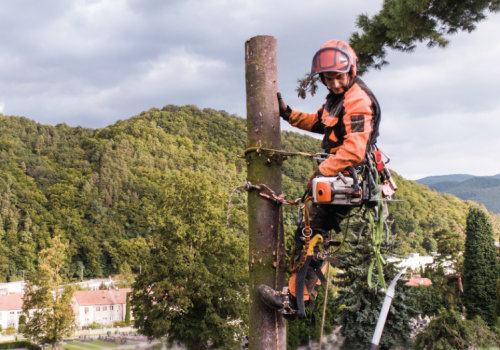
Maintaining trees on real estate assets is not just about aesthetics; it plays a crucial role in enhancing the overall value and appeal of a property.
Tree maintenance
is essential for ensuring the health and longevity of these natural assets, which can significantly impact the environment and the financial returns of a property. Well-maintained trees provide shade, improve air quality, and contribute to biodiversity, making them invaluable to both residential and commercial real estate. Moreover, the presence of healthy trees can elevate a property's marketability. Properties with mature, well-cared-for trees often attract higher offers and sell faster than those without.This is because potential buyers recognize the benefits of trees in real estate, such as reduced energy costs due to natural cooling and enhanced curb appeal. Additionally, trees can act as natural barriers against noise pollution and provide privacy, further increasing a property's desirability. Understanding the importance of tree care for properties goes beyond mere aesthetics; it encompasses environmental stewardship and financial prudence. By investing time and resources into proper tree maintenance, property owners can ensure that their landscapes remain vibrant and healthy throughout the seasons, ultimately leading to a more sustainable and profitable real estate investment.
Spring Tree Maintenance Tips
As the cold winter months fade away, spring presents an ideal opportunity for tree maintenance for real estate assets. Proper care during this season is crucial for ensuring healthy growth and longevity of trees on your property.Here are some essential tips to consider:
Tree Pruning in Spring
Spring is a prime time for tree pruning, as it allows you to remove dead or damaged branches before new growth begins. This not only enhances the tree's appearance but also promotes better air circulation and sunlight penetration. When pruning, follow these guidelines:- Assess the tree's structure: Identify any weak or crossing branches that could pose a risk.
- Use clean, sharp tools: This minimizes damage to the tree and reduces the risk of disease.
- Avoid heavy pruning: Focus on removing only what is necessary to maintain the tree's health.
Fertilizing Trees in Spring
Another critical aspect of spring tree maintenance is fertilization. As trees emerge from dormancy, they require nutrients to support new growth.Here’s how to effectively fertilize your trees:
- Select the right fertilizer: Choose a balanced fertilizer that meets the specific needs of your tree species.
- Apply at the right time: Fertilize in early spring, just before new growth starts, to maximize nutrient uptake.
- Follow application guidelines: Adhere to recommended rates to avoid over-fertilization, which can harm the tree.
Pest Management
Spring also marks the return of pests that can threaten your trees. Implementing a proactive pest management strategy is essential:- Monitor for signs of infestation: Regularly check for unusual leaf discoloration or insect activity.
- Use organic pest control methods: Consider introducing beneficial insects or using natural repellents to minimize chemical use.
- Consult with professionals: If infestations are severe, seek advice from an arborist or pest control expert.
Summer Tree Care Strategies
As the summer heat intensifies, tree maintenance for real estate assets becomes crucial to ensure the health and longevity of your trees. Here are some effective strategies to keep your trees thriving during the hot months.Watering Techniques
Proper watering is essential for trees in summer. Here are some tips:- Deep Watering: Instead of frequent shallow watering, aim for deep watering sessions.
This encourages roots to grow deeper into the soil, making them more resilient to drought.
- Timing: Water early in the morning or late in the evening to minimize evaporation. This ensures that more water reaches the roots.
- Soil Moisture Check: Use a soil moisture meter or simply dig a small hole to check if the soil is dry. Water only when necessary to avoid overwatering.
Summer Pest Control
Summer is also a peak time for pests that can harm your trees. Implement these pest control measures:- Regular Inspections: Check your trees weekly for signs of pests such as aphids, spider mites, or caterpillars.
Early detection is key to effective management.
- Natural Predators: Encourage beneficial insects like ladybugs and lacewings that feed on harmful pests. Planting flowers that attract these predators can help maintain a balanced ecosystem.
- Pesticide Application: If necessary, use organic pesticides as a last resort. Always follow label instructions and apply during cooler parts of the day to minimize harm to beneficial insects.
Autumn Tree Maintenance Practices
As the leaves begin to change color and fall, it’s essential to focus on autumn tree maintenance to ensure your trees are well-prepared for the harsh winter months ahead. Proper care during this season can significantly enhance the health and longevity of your trees, especially those on real estate assets.Preparing Trees for Winter
One of the primary goals of fall tree care is to prepare your trees for winter.Here are some effective practices:
- Watering: Ensure your trees receive adequate moisture before the ground freezes. Deep watering in early autumn helps establish a strong root system.
- Mulching: Apply a layer of mulch around the base of your trees. This helps retain soil moisture, regulates temperature, and protects roots from extreme cold.
- Pest Control: Inspect your trees for any signs of pests or diseases. Treating these issues in the fall can prevent them from worsening during winter.
Autumn Pruning Tips
Pruning is another critical aspect of tree maintenance for real estate assets.Here are some tips to consider:
- Timing: The best time to prune most trees is in late fall after they have shed their leaves. This minimizes stress and allows you to see the tree's structure more clearly.
- Remove Dead or Diseased Branches: Cut away any dead, damaged, or diseased branches to promote healthy growth and prevent potential hazards during winter storms.
- Avoid Heavy Pruning: While it’s important to remove problematic branches, avoid heavy pruning as it can leave trees vulnerable to winter damage.
Winter Tree Care Considerations
Winter can pose significant challenges for tree maintenance for real estate assets. As temperatures drop and snow accumulates, it’s essential to take proactive measures to protect your trees from harsh conditions. Here are some key considerations for maintaining trees during the winter months.Protecting Trees in Winter
To ensure the health of your trees throughout the winter, consider the following tips:- Mulching: Apply a layer of mulch around the base of your trees.
This helps insulate the roots and retain moisture, preventing freeze-thaw cycles that can damage root systems.
- Watering: Even in winter, trees need water. Ensure that your trees are adequately hydrated before the ground freezes. A deep watering in late fall can help.
- Wrapping Trunks: For young or vulnerable trees, consider wrapping trunks with burlap or tree wrap to protect them from frost cracks and sunscald.
Winter Pruning Techniques
While winter is not typically the prime season for pruning, it can be beneficial for certain species. Here are some techniques to consider:- Timing: Late winter, just before spring growth begins, is often the best time to prune deciduous trees.
This minimizes stress and encourages healthy growth.
- Focus on Structure: Remove any dead or damaged branches to improve tree structure and reduce the risk of breakage under heavy snow loads.
- Avoid Heavy Pruning: Limit pruning to essential cuts only. Over-pruning can weaken trees and make them more susceptible to winter damage.
Common Tree Diseases and Pests to Watch For Year-Round
Maintaining the health of trees on real estate assets requires vigilance against common tree diseases and pests that can threaten their vitality throughout the year. Understanding these threats and implementing effective monitoring and treatment strategies is essential for preserving the aesthetic and ecological value of your property.Common Tree Diseases
- Powdery Mildew: This fungal disease appears as a white powdery substance on leaves, often affecting trees in warm, dry conditions.
To prevent it, ensure proper air circulation and avoid overhead watering.
- Root Rot: Caused by overwatering or poor drainage, root rot can lead to tree decline. Regularly check soil moisture levels and improve drainage where necessary.
- Leaf Spot: Various fungi can cause leaf spots, leading to premature leaf drop. Remove affected leaves and apply fungicides as needed.
Pests Affecting Trees
- Aphids: These small insects suck sap from trees, weakening them over time. Introduce natural predators like ladybugs or use insecticidal soap for control.
- Emerald Ash Borer: This invasive beetle targets ash trees, causing significant damage.
Monitor for signs of infestation and consider professional treatment options if detected.
- Spider Mites: Often found in hot, dry conditions, spider mites can cause leaf discoloration. Regularly mist trees to increase humidity and deter these pests.
By staying proactive, you can ensure the longevity and health of your trees, ultimately enhancing the value of your real estate assets.
FAQs About Tree Maintenance for Real Estate Assets
When it comes to tree maintenance for real estate assets, property owners often have numerous questions. Here are some of the most frequently asked questions that can help clarify common concerns:What is the best time to prune trees?
Pruning is essential for maintaining the health and aesthetics of trees. The best time to prune most trees is during their dormant season, typically in late winter or early spring before new growth begins. This timing minimizes stress on the tree and allows for better healing.How often should I inspect my trees?
Regular inspections are crucial for tree care.It is recommended to inspect your trees at least twice a year—once in the spring and once in the fall. Look for signs of disease, pest infestations, or structural issues that could pose risks to your property.
What are signs of a diseased tree?
- Discolored leaves or premature leaf drop
- Visible fungi or mushrooms growing at the base
- Cracks or splits in the trunk
- Excessive dead branches
Can I plant new trees in the fall?
Yes, fall can be an excellent time to plant new trees. The cooler temperatures and increased rainfall help reduce transplant shock and encourage root establishment before winter sets in. However, ensure that you choose species that are suitable for your climate and soil conditions.How do I protect my trees during winter?
Winter can be harsh on trees, especially young ones.To protect them:
- Wrap trunks with burlap or tree wrap to prevent sunscald.
- Mulch around the base to retain moisture and regulate soil temperature.
- Avoid using salt near tree roots, as it can damage them.
Conclusion: The Long-Term Benefits of Consistent Tree Maintenance
In conclusion, consistent tree maintenance is not just a seasonal task but a vital investment in the long-term health and aesthetics of your real estate assets. By implementing a structured maintenance plan throughout the year, property owners can significantly enhance the value and appeal of their properties. Regular tree care ensures that trees remain healthy, reducing the risk of disease and damage that can lead to costly repairs. Moreover, well-maintained trees contribute to the overall landscape design, creating a welcoming environment for potential buyers or tenants. Here are some key benefits of maintaining trees consistently:- Increased Property Value: Healthy, mature trees can increase property values by up to 15%, making them a worthwhile investment.
- Aesthetic Appeal: Well-maintained trees enhance curb appeal, making properties more attractive to prospective buyers.
- Environmental Benefits: Trees improve air quality, provide shade, and support local wildlife, contributing to a healthier ecosystem.
- Safety: Regular maintenance helps identify and mitigate hazards such as dead branches or unstable trees that could pose risks to people and property.
By prioritizing this aspect of property management, owners not only protect their investment but also contribute positively to their community's environment. As seasons change, so should your approach to tree care—ensuring that your landscape remains vibrant and thriving year-round.