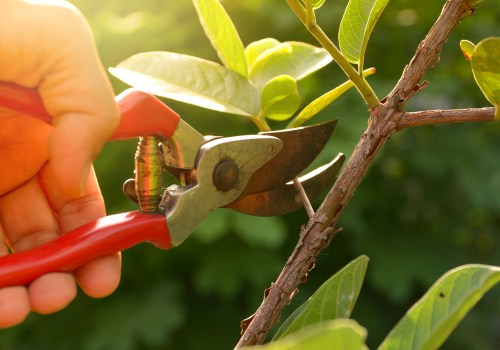
Tree care planning is an often overlooked but essential aspect of maintaining real estate assets, especially during property turnovers. Trees contribute significantly to the appearance, safety, and long-term value of residential and commercial properties. Well-maintained trees enhance curb appeal, provide shade, and create a welcoming environment for prospective buyers or tenants. On the other hand, neglected trees can present safety hazards, cause structural damage, or make a property appear poorly maintained. Real estate investors and property managers often include tree maintenance as part of their regular property upkeep strategy to ensure that outdoor spaces remain attractive and functional throughout the ownership cycle.
Enhancing Property Value Through Landscaping
Healthy trees and well-planned landscaping can increase the overall value of a property. Buyers and tenants are often drawn to homes that feature mature trees, clean yards, and thoughtfully maintained green spaces. Landscaping improvements, including pruning branches, removing dead limbs, and shaping tree canopies, help present the property in its best condition. When a property is preparing for sale or new occupants, these small improvements can significantly enhance the visual impact of the exterior. Real estate professionals frequently emphasize the importance of curb appeal because a strong first impression can influence buyer interest before they even step inside the home.
Addressing Safety and Structural Concerns
Tree care planning is also important for safety reasons, particularly during property turnovers. Overgrown branches can interfere with power lines, block pathways, or damage roofs during storms. Roots may grow too close to foundations, driveways, or underground utilities, potentially causing costly repairs if left unaddressed. By scheduling regular inspections and maintenance, property owners can identify potential problems early and take corrective action before they become serious hazards. Removing damaged branches, stabilizing weakened trees, and maintaining proper clearance around structures help ensure that the property remains safe for both residents and visitors.
Preparing Properties for New Occupants
When a property is transitioning between owners or tenants, exterior maintenance becomes part of the preparation process. Tree trimming, yard cleanup, and landscaping improvements help ensure that the property looks ready for its next occupants. A well-maintained yard signals that the property has been cared for and can contribute to a positive first impression during showings or move-in day. Property managers and investors often coordinate these tasks alongside other preparations such as cleaning, repairs, and staging. During the turnover process, relocation logistics may also come into play as furniture, equipment, or staging items are removed from the property. In some cases, property owners rely on services such as Mountain Movers to assist with transporting items while preparing the property for its next phase.
Integrating Tree Care Into Long-Term Property Planning
Incorporating tree care into long-term property management plans can help maintain both the appearance and safety of real estate assets. Regular inspections, seasonal pruning, and professional arborist services help ensure that trees remain healthy and continue to enhance the property’s landscape. Investors who prioritize outdoor maintenance often find that their properties remain more attractive to buyers and tenants over time. By combining responsible tree care with efficient property turnover planning, real estate owners can protect their investment while creating a welcoming environment for future occupants.