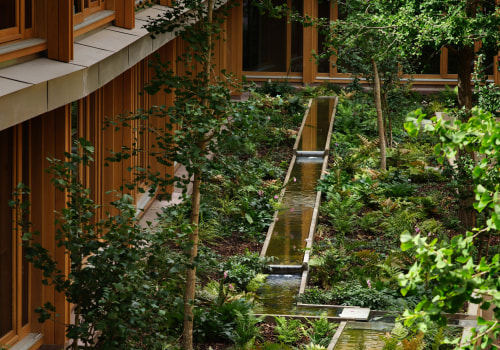
In the realm of real estate assets, the significance of tree maintenance cannot be overstated. Trees not only enhance the aesthetic appeal of a property but also contribute to its overall value. Well-maintained trees can create a welcoming environment, attract potential buyers, and even improve energy efficiency by providing shade and reducing cooling costs. However, the process of maintaining these natural assets comes with its own set of challenges that property owners must navigate. One of the primary challenges in tree maintenance for real estate assets is understanding the specific needs of different tree species.
Each type of tree has unique growth patterns, watering requirements, and susceptibility to pests and diseases. This complexity necessitates a tailored approach to care, which can be overwhelming for property managers or owners who may lack horticultural expertise. Additionally, improper maintenance can lead to issues such as overgrowth, which can obstruct views or damage structures, further complicating the management of real estate properties. Moreover, seasonal changes can significantly impact tree health and maintenance schedules. For instance, winter storms may cause branches to break or fall, requiring immediate attention to prevent damage to buildings or vehicles.
Similarly, summer heat can stress trees, making them more vulnerable to pests and diseases. Therefore, staying proactive and informed about seasonal trends is crucial for effective tree care. Ultimately, investing in proper tree care is essential for preserving the value and appeal of real estate assets. By addressing these challenges head-on and implementing a comprehensive maintenance plan, property owners can ensure that their trees remain healthy and vibrant, contributing positively to their investment.
Common Challenges in Tree Maintenance
Tree maintenance for real estate assets presents a variety of challenges that can complicate the upkeep and health of trees on properties. Understanding these challenges is crucial for property managers and owners to ensure the longevity and aesthetic appeal of their landscapes.- Environmental Factors: Trees are susceptible to environmental conditions such as drought, heavy rainfall, and extreme temperatures.
These factors can lead to stress, making trees more vulnerable to pests and diseases.
- Pest Infestations: Insects and diseases can quickly spread among trees, especially in urban settings where trees are often planted close together. Identifying and managing these infestations requires expertise and timely intervention.
- Soil Quality: The health of a tree is heavily dependent on the quality of the soil in which it grows. Poor soil conditions can hinder root development and nutrient absorption, leading to weak trees that are more prone to damage.
- Regulatory Compliance: Many municipalities have regulations regarding tree maintenance, including pruning, removal, and planting. Navigating these regulations can be challenging for property managers who must ensure compliance while maintaining the landscape.
- Cost Management: Tree maintenance can be expensive, especially when hiring professional arborists for specialized care.
Balancing the budget while ensuring proper care is a common difficulty faced by real estate asset managers.
Environmental Factors Affecting Tree Maintenance
When it comes to tree maintenance for real estate assets, environmental factors play a crucial role in determining the success of care efforts.Understanding these factors can help property managers and real estate owners navigate the complexities of maintaining healthy trees.
Weather Effects on Tree Care
Weather conditions can significantly impact tree health and maintenance practices. For instance, extreme temperatures—whether hot or cold—can stress trees, making them more susceptible to diseases and pests. Heavy rainfall can lead to soil erosion, while drought conditions can cause trees to become dehydrated, affecting their growth and stability.- Heavy Rainfall: Excessive moisture can lead to root rot and fungal infections, necessitating more frequent inspections and interventions.
- Drought: During dry spells, trees may require supplemental watering, which can be resource-intensive and costly.
- Windstorms: High winds can cause physical damage to trees, leading to broken branches or uprooting, which may require immediate attention.
Climate Considerations
The long-term effects of climate change are also becoming increasingly relevant in the realm of tree maintenance for real estate assets. Shifts in climate patterns can alter the types of trees that thrive in a given area, necessitating a reevaluation of landscaping choices.For example:
- Invasive Species: Warmer temperatures may allow invasive species to flourish, outcompeting native trees and complicating maintenance efforts.
- Pest Outbreaks: Changes in climate can lead to increased pest populations, requiring more aggressive pest management strategies.
- Seasonal Variability: Unpredictable weather patterns can disrupt traditional maintenance schedules, making it challenging to plan for pruning or fertilization.
Legal and Regulatory Challenges
When it comes to tree maintenance for real estate assets, navigating the legal and regulatory landscape can be one of the most significant challenges property owners face. Various laws and regulations govern tree care, and failing to comply can lead to costly fines and legal disputes.Tree Maintenance Regulations
- Many municipalities have specific ordinances regarding tree preservation, especially for mature or heritage trees. These regulations often require property owners to obtain permits before performing any maintenance work.
- Some areas may have restrictions on the types of trees that can be planted or removed, particularly if they are considered endangered or protected species.
- Homeowners associations (HOAs) may also impose their own rules regarding tree maintenance, which can add another layer of complexity.
Legal Issues in Tree Care
- Disputes can arise between neighbors over tree maintenance, particularly if a tree encroaches on a neighboring property or poses a risk of falling.
Understanding property lines and local laws is crucial to avoid potential litigation.
- If a tree maintained by a property owner causes damage to another property, the owner may be held liable. This underscores the importance of regular inspections and proper maintenance practices.
Compliance Challenges
- Staying compliant with local, state, and federal regulations can be daunting, especially for larger real estate portfolios. Property managers must keep abreast of changing laws and ensure that all maintenance activities align with these requirements.
- Hiring certified arborists who understand the legal implications of tree care can help mitigate risks associated with non-compliance.
Financial Considerations in Tree Maintenance
When it comes to tree maintenance for real estate assets, financial considerations play a crucial role in ensuring the long-term health and safety of the property.Understanding the cost of tree maintenance is essential for property owners and managers, as it can significantly impact overall budgeting and financial planning.One of the primary challenges faced is the variability in costs associated with different types of tree care. For instance, routine maintenance such as pruning or fertilization may seem manageable, but unexpected issues like pest infestations or storm damage can lead to sudden, high expenses. Therefore, it is vital to allocate a portion of the budget specifically for unforeseen circumstances.
- Routine Maintenance Costs: Regular services like trimming, disease management, and soil care can accumulate over time. Property owners should expect to spend a few hundred to several thousand dollars annually, depending on the number and size of trees.
- Emergency Services: In cases of severe weather or disease outbreaks, emergency tree removal or treatment can cost significantly more than planned maintenance.
Having an emergency fund set aside can mitigate these financial shocks.
- Long-term Investments: Investing in tree health through proper care can lead to increased property value. Healthy trees enhance curb appeal and can even lower energy costs by providing shade.
- A comprehensive assessment of existing trees and their maintenance needs.
- Estimates from certified arborists for both routine and emergency services.
- A contingency fund for unexpected expenses related to tree health and safety.
Choosing the Right Professionals for Tree Maintenance
When it comes to tree maintenance for real estate assets, selecting the right professionals is essential for ensuring the health and longevity of your trees. The expertise of qualified arborists and tree care specialists can make a significant difference in the quality of care your trees receive.Hiring Tree Care Professionals
- Research Credentials: Look for certified arborists who have undergone rigorous training and possess the necessary certifications.
Organizations like the International Society of Arboriculture (ISA) offer certification programs that ensure professionals are knowledgeable about tree biology, care, and safety practices.
- Check Experience: Experience matters in tree maintenance. Seek professionals who have a proven track record in managing trees similar to those on your property. Ask for references or case studies that demonstrate their expertise.
- Insurance and Liability: Ensure that any tree care professional you consider is fully insured. This protects you from potential liabilities in case of accidents or damage during the maintenance process.
Finding Arborists
- Local Recommendations: Start by asking for recommendations from local real estate agents, property managers, or neighbors who have had positive experiences with tree care services.
- Online Reviews: Utilize online platforms such as Yelp or Google Reviews to gauge customer satisfaction and find reputable arborists in your area.
- Professional Associations: Check directories from professional associations like the Tree Care Industry Association (TCIA) to find qualified tree care services near you.
Professional Tree Services
- Service Offerings: Ensure that the tree service you choose offers a comprehensive range of services, including pruning, removal, pest management, and emergency care.
This versatility can be beneficial for ongoing maintenance.
- Estimates and Contracts: Request detailed estimates from multiple providers to compare costs and services. A clear contract outlining the scope of work, timelines, and payment terms is crucial for avoiding misunderstandings.
- Sustainability Practices: Inquire about their approach to sustainability. Professionals who prioritize eco-friendly practices can help maintain the health of your landscape while minimizing environmental impact.
Best Practices for Effective Tree Maintenance
Effective tree maintenance for real estate assets is crucial for preserving property value and ensuring safety.Here are some best practices and strategies to consider:
- Regular Inspections: Schedule routine inspections to assess the health of trees. Look for signs of disease, pest infestations, or structural issues. Early detection can prevent costly damage.
- Proper Pruning Techniques: Prune trees during their dormant season to promote healthy growth. Use clean, sharp tools to make precise cuts, which helps reduce the risk of infection.
- Soil Health Management: Ensure that the soil around trees is well-aerated and nutrient-rich.
Conduct soil tests to determine pH levels and nutrient deficiencies, and amend the soil as needed.
- Irrigation Practices: Implement a consistent watering schedule, especially during dry spells. Deep watering encourages root growth and resilience against drought.
- Pest and Disease Control: Stay informed about common pests and diseases that affect local tree species. Use integrated pest management (IPM) strategies to minimize chemical use while effectively controlling outbreaks.
- Mulching: Apply a layer of organic mulch around the base of trees to retain moisture, suppress weeds, and improve soil quality as it decomposes.
FAQs About Tree Maintenance for Real Estate Assets
When it comes to tree maintenance for real estate assets, property owners often have several questions.Here are some of the most frequently asked questions:
- What are the signs that a tree needs maintenance? Look for signs such as dead branches, peeling bark, or mushrooms growing at the base. These can indicate that a tree is unhealthy and may require professional attention.
- How often should trees be inspected? It is recommended to inspect trees at least once a year, especially before severe weather seasons. Regular inspections can help identify potential issues early.
- Can I perform tree maintenance myself? While some basic maintenance tasks, like pruning small branches, can be done by homeowners, it’s best to hire professionals for larger jobs. They have the expertise and equipment to handle complex situations safely.
- What are the risks of neglecting tree maintenance? Neglecting tree care can lead to hazardous situations, such as falling branches or even entire trees.
This not only poses a risk to people and property but can also lead to costly repairs.
- How does tree maintenance affect property value? Well-maintained trees can enhance curb appeal and increase property value. Conversely, neglected trees can detract from a property's appearance and potentially lower its market value.
Conclusion: Overcoming Tree Maintenance Challenges
In conclusion, addressing the challenges of tree maintenance for real estate assets is crucial for preserving property value and ensuring safety. As we have explored, these challenges can range from environmental factors to regulatory compliance and financial constraints. To effectively manage these issues, property owners and managers should consider the following strategies:- Regular Assessments: Conducting routine inspections can help identify potential problems early, allowing for timely interventions.
- Professional Expertise: Engaging certified arborists ensures that tree care is performed correctly, minimizing risks associated with improper maintenance.
- Budget Planning: Allocating a dedicated budget for tree maintenance can alleviate financial pressures and facilitate proactive care rather than reactive measures.
- Community Engagement: Collaborating with local authorities and community organizations can provide resources and support for tree maintenance initiatives.
Ultimately, prioritizing tree maintenance is an investment in the long-term sustainability and attractiveness of real estate assets.