In the realm of real estate asset management, the significance of tree maintenance often goes overlooked. However, trees are not merely aesthetic additions to a property; they play a crucial role in enhancing the overall value and appeal of real estate assets. Properly maintained trees can improve curb appeal, provide shade, and even contribute to energy efficiency, making them an integral part of any long-term management strategy. Investing in tree maintenance yields numerous benefits that extend beyond mere aesthetics. Healthy trees can increase property values by as much as 15%, according to various studies.
They also contribute to environmental sustainability by improving air quality and supporting local wildlife. Furthermore, well-maintained trees can reduce stormwater runoff, which is increasingly important in urban areas prone to flooding. This multifaceted value underscores the need for real estate managers to incorporate tree care into their long-term planning. As we delve deeper into the relationship between tree maintenance and real estate asset management, it becomes clear that a proactive approach is essential. Regular assessments and maintenance schedules not only preserve the health of trees but also mitigate potential liabilities associated with falling branches or disease outbreaks.
By prioritizing tree care, property managers can ensure that their assets remain attractive and functional for years to come, ultimately leading to greater tenant satisfaction and retention.
The Role of Trees in Property Value and Aesthetics
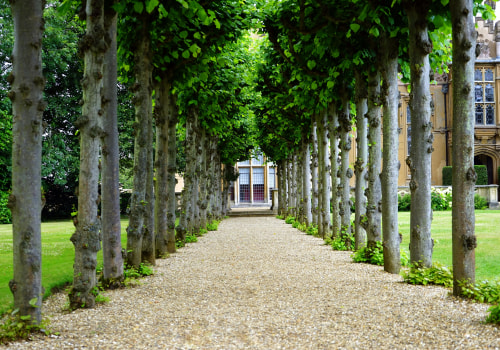
Trees play a pivotal role in enhancing the property value of real estate assets. Numerous studies have shown that well-maintained trees can significantly increase the market appeal of a property. For instance, properties with mature trees often command higher prices compared to those without. This is largely due to the perception of stability and longevity that trees provide, making them an attractive feature for potential buyers.In addition to their financial impact, trees contribute to the overall aesthetic benefits of a property.A well-landscaped yard with healthy trees creates a welcoming environment that can enhance the first impression of a home or commercial space. The visual appeal of lush greenery not only beautifies the landscape but also promotes a sense of tranquility and well-being among residents and visitors alike.Moreover, trees can serve as natural privacy screens, reducing noise pollution and creating secluded outdoor spaces that are highly desirable in urban settings. This aspect of landscaping is particularly important for real estate developers and property managers who aim to create inviting atmospheres that attract tenants and buyers.
- Environmental Benefits: Trees improve air quality, reduce heat, and provide shade, which can lower energy costs for homeowners.
- Community Appeal: Properties surrounded by greenery are often viewed as more desirable, fostering community pride and encouraging neighborhood engagement.
- Market Differentiation: In competitive real estate markets, properties with well-maintained landscapes featuring trees stand out, making them easier to sell or rent.
Developing a Long-Term Tree Maintenance Plan
Creating a long-term tree maintenance plan is essential for maximizing the value of real estate assets.A well-structured plan not only enhances the aesthetic appeal of properties but also contributes to their overall health and longevity. Here are the key steps to develop an effective tree care schedule:
- Assess Current Tree Conditions: Begin by conducting a thorough assessment of all trees on the property. Identify species, age, health status, and any existing issues such as disease or pest infestations. This information will serve as the foundation for your maintenance plan.
- Set Clear Objectives: Define what you want to achieve with your tree maintenance efforts.
Objectives may include improving property value, enhancing curb appeal, or ensuring safety by removing hazardous trees.
- Create a Maintenance Schedule: Develop a detailed tree care schedule that outlines specific tasks such as pruning, fertilization, pest control, and inspections. Schedule these activities seasonally to align with the natural growth cycles of the trees.
- Implement Maintenance Strategies: Choose appropriate maintenance strategies based on the assessment results. For instance, younger trees may require more frequent watering and mulching, while older trees might need structural pruning to maintain their health and safety.
- Monitor and Adjust: Regularly monitor the health of the trees and the effectiveness of your maintenance strategies. Be prepared to adjust your plan based on changing conditions or unexpected challenges such as severe weather or pest outbreaks.
By prioritizing tree care, property managers can enhance both the environmental quality and marketability of their properties.
Best Practices for Tree Maintenance in Real Estate Management
Incorporating tree maintenance for real estate assets into a long-term management plan is essential for preserving property value and enhancing curb appeal. Here are some best practices to ensure effective tree care:- Regular Inspections: Conduct routine inspections of trees to identify any signs of disease, pest infestations, or structural issues. Early detection can prevent costly damage and ensure the longevity of the trees.
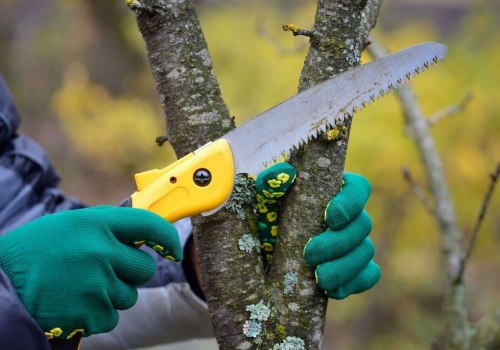
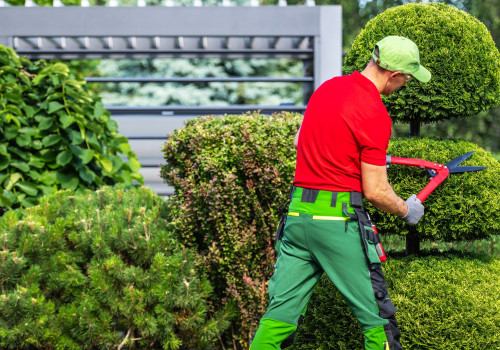
- Proper Pruning: Pruning is crucial for maintaining tree health and aesthetics. Remove dead or diseased branches, and thin out crowded areas to improve air circulation and light penetration.
It’s best to prune during the dormant season to minimize stress on the tree.
- Disease Management: Implement a proactive approach to disease management by monitoring trees for symptoms of common ailments such as leaf spots or cankers. Utilize organic treatments when possible, and consult with a professional arborist for severe cases.
- Soil Health: Ensure that the soil around trees is healthy and well-drained. Regularly test soil pH and nutrient levels, and amend as necessary to promote optimal growth.
- Watering Practices: Establish a consistent watering schedule, especially during dry spells. Deep watering encourages root growth, while overwatering can lead to root rot.
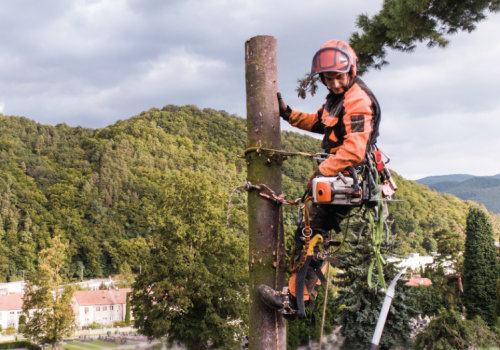
- Hiring Professionals: For complex tasks such as large tree removals or advanced pruning, consider hiring professional tree services.
Certified arborists have the expertise to handle these tasks safely and effectively.
Cost-Benefit Analysis of Tree Maintenance for Real Estate Assets
Incorporating tree maintenance for real estate assets into a long-term management plan requires a thorough cost-benefit analysis. Understanding the financial implications of investing in tree care can significantly influence property value and tenant satisfaction.Financial Impact of Trees on Real Estate
- Increased Property Value: Well-maintained trees can enhance curb appeal, leading to higher property values. Studies show that properties with mature trees can sell for 10-20% more than similar properties without.
- Energy Savings: Trees provide natural shade, reducing cooling costs in the summer and heating costs in the winter. This can lead to significant savings on energy bills, making properties more attractive to potential tenants.
- Improved Tenant Satisfaction: Green spaces contribute to a better living environment.
Properties with well-maintained landscaping, including trees, often see higher tenant retention rates and lower vacancy rates.
Budgeting for Tree Care
When planning for tree maintenance, it’s essential to allocate a budget that reflects both immediate and long-term needs. Here are some key considerations:
- Routine Maintenance: Regular pruning, fertilization, and pest management should be part of the annual budget. These practices not only keep trees healthy but also prevent costly emergency removals.
- Replacement Costs: As trees age, some may need to be replaced. Setting aside funds for replanting ensures that the landscape remains attractive and functional.
- Insurance Considerations: Properly maintained trees can reduce liability risks associated with falling branches or other hazards, potentially lowering insurance premiums.
By carefully analyzing these factors, real estate managers can make informed decisions that align with their long-term asset management goals.
Case Studies: Successful Tree Maintenance in Real Estate Management
Integrating tree maintenance into real estate asset management can yield significant benefits, as demonstrated by several successful case studies. These examples illustrate how proactive tree care not only enhances property value but also contributes to sustainability and tenant satisfaction.Case Study 1: Urban Residential Development
A prominent urban residential development in Seattle implemented a comprehensive tree maintenance program as part of its asset management strategy. The program included regular health assessments, pruning, and the planting of native species. As a result, the property saw a 15% increase in rental rates over three years, attributed to improved aesthetics and increased green space.Residents reported higher satisfaction levels, leading to lower turnover rates.
Case Study 2: Commercial Office Park
A commercial office park in Dallas adopted a long-term tree care plan that focused on maintaining existing trees while introducing new ones to enhance the landscape. The management team collaborated with local arborists to develop a tailored maintenance schedule. This initiative not only improved the park's visual appeal but also reduced energy costs by providing natural shade. The property experienced a 20% increase in occupancy rates, demonstrating the financial viability of investing in tree maintenance.Lessons Learned
- Proactive Care: Regular assessments and maintenance can prevent costly removals and replacements.
- Community Engagement: Involving tenants in tree planting events fosters a sense of community and responsibility.
- Sustainability Focus: Prioritizing native species can enhance biodiversity and reduce water usage.
FAQs About Tree Maintenance for Real Estate Assets
When it comes to tree maintenance for real estate assets, property managers and owners often have several questions.Here are some of the most frequently asked questions:
- Why is tree maintenance important for real estate?
Proper tree maintenance enhances the aesthetic appeal of a property, increases its value, and ensures safety by preventing potential hazards such as falling branches. - How often should trees be inspected?
It is recommended to inspect trees at least once a year, but more frequent inspections may be necessary for older or larger trees, especially after severe weather events. - What are the signs that a tree needs maintenance?
Look for signs such as dead or dying branches, fungal growth, cracks in the trunk, or leaning trees. These indicators suggest that a tree may require professional assessment and care. - Can tree maintenance reduce insurance costs?
Yes, maintaining healthy trees can potentially lower insurance premiums by reducing the risk of damage to property and injury to individuals. - What types of services are included in tree maintenance?
Tree maintenance services typically include pruning, trimming, disease management, pest control, and sometimes removal of hazardous trees.
Conclusion: The Future of Tree Maintenance in Real Estate Asset Management
In conclusion, the integration of tree maintenance for real estate assets into long-term asset management plans is not merely a best practice; it is a necessity for sustainable property management. As we have explored, trees play a crucial role in enhancing property value, improving aesthetic appeal, and contributing to environmental sustainability.By prioritizing tree care, real estate managers can ensure that their assets remain attractive and functional over time.Moreover, a proactive approach to tree maintenance can significantly reduce long-term costs associated with emergency tree removals and damage repairs. Regular assessments and maintenance schedules allow property managers to identify potential issues before they escalate, thereby safeguarding both the landscape and the investment.
- Enhancing Property Value: Well-maintained trees can increase property values by up to 15%.
- Environmental Benefits: Trees improve air quality, reduce heat, and provide habitats for wildlife.
- Cost Efficiency: Preventative maintenance is often less expensive than reactive measures.