Tree maintenance is a critical aspect of property management that often goes overlooked.
Proper tree care
not only ensures the health and longevity of trees but also plays a significant role in enhancing the overall value of real estate assets. Healthy trees can provide shade, improve air quality, and contribute to the aesthetic appeal of a property, making it more attractive to potential buyers or renters. Conversely, neglecting tree maintenance can lead to a host of problems that may diminish property value and pose safety risks. Understanding the importance of tree maintenance for real estate assets is essential for homeowners, property managers, and real estate investors alike.Regular inspections, pruning, and disease management are vital practices that help maintain the structural integrity and beauty of trees. When these practices are ignored, trees can become overgrown, diseased, or even hazardous, leading to costly repairs or liability issues. Furthermore, properties with poorly maintained trees may struggle to attract buyers in a competitive market. In summary, investing time and resources into tree maintenance is not just about aesthetics; it is a strategic move that can significantly impact the value and safety of real estate assets. As we delve deeper into the potential consequences of neglecting this crucial aspect, it becomes clear that proactive tree care is an investment in both the present and future value of your property.
Impact on Property Value
Neglecting tree maintenance can have significant repercussions on the value of real estate assets.Well-maintained trees not only enhance the aesthetic appeal of a property but also play a crucial role in its overall marketability. When potential buyers or appraisers evaluate a property, the condition of its landscaping—including trees—can heavily influence their perception and, consequently, the property's value.
Property value
is often tied to curb appeal, which is the first impression a home makes from the street. Overgrown, unhealthy, or dead trees can detract from this appeal, making a property less inviting. In contrast, properties with well-maintained trees are often viewed as more desirable, leading to higher offers and quicker sales.Moreover, during a real estate appraisal, appraisers consider various factors that contribute to a property's worth.Landscaping is one of these factors, and trees that are properly pruned and cared for can add significant value. A study by the National Association of Realtors found that homes with mature trees can sell for up to 15% more than similar homes without them.
- Increased Curb Appeal: Healthy trees enhance the visual attractiveness of a property.
- Higher Appraisal Values: Well-maintained landscapes contribute positively to appraisals.
- Marketability: Properties with attractive landscaping tend to sell faster.
Safety Hazards Associated with Neglected Trees
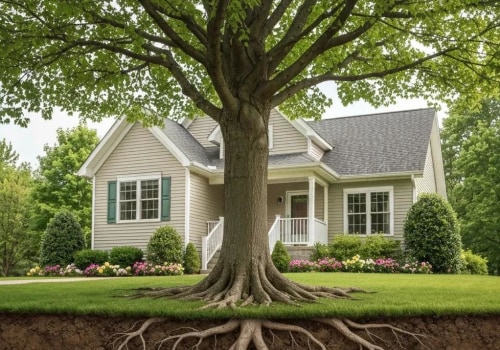
Neglecting tree maintenance for real estate assets can lead to significant safety hazards that pose risks to both property and individuals.One of the most immediate dangers is the potential for falling branches. As trees age and their health declines, branches can become brittle and weak, increasing the likelihood of breakage during storms or high winds. This not only endangers anyone nearby but can also cause severe damage to structures, vehicles, and landscaping.Another critical concern is the impact of tree roots on property foundations and underground utilities. Overgrown or invasive roots can disrupt sidewalks, driveways, and even the foundation of buildings.
This can lead to costly repairs and may compromise the structural integrity of a property. Homeowners and real estate investors must be vigilant about monitoring tree growth to prevent these issues from escalating.
- Falling branches: Can cause injury or damage to property.
- Root damage: May lead to structural issues in buildings.
- Liability risks: Property owners may face legal consequences if neglect leads to accidents.
From falling branches to root damage, the consequences can be severe, leading to both physical harm and financial liability. Prioritizing tree maintenance for real estate assets is not just a matter of aesthetics; it is a crucial aspect of ensuring safety and protecting investments.
Environmental Consequences of Poor Tree Care
Neglecting tree maintenance for real estate assets can have significant environmental consequences that extend beyond the immediate property. Healthy trees play a crucial role in maintaining ecosystem health, and their decline can lead to a cascade of negative effects.Loss of Biodiversity
- Trees provide habitat and food for various species, including birds, insects, and mammals. When trees are not properly maintained, their health deteriorates, leading to a decline in these populations.
- In urban areas, the loss of trees can disrupt local ecosystems, making it difficult for wildlife to thrive and reducing overall biodiversity.
- Healthy trees help mitigate the urban heat island effect by providing shade and releasing moisture into the air through transpiration.
Without adequate tree cover, urban areas can experience significantly higher temperatures.
- This increase in temperature not only affects human comfort but also leads to higher energy consumption for cooling, further straining local resources.
- The root systems of trees play a vital role in stabilizing soil and preventing erosion. Neglected trees may die or become weak, leading to increased soil erosion during rain events.
- This erosion can result in sediment runoff into nearby water bodies, degrading water quality and harming aquatic ecosystems.
Increased Maintenance Costs Over Time
Neglecting tree maintenance for real estate assets can lead to a cascade of financial repercussions that property owners may not initially foresee.While regular upkeep may seem like an unnecessary expense, the reality is that failing to care for trees can result in significantly higher costs over time.One of the most immediate consequences of neglect is the potential need for emergency tree removals. Storms or high winds can cause weakened trees to fall, leading to damage not only to the tree itself but also to nearby structures, vehicles, and landscaping. The costs associated with emergency services can be exorbitant, often exceeding the price of regular maintenance by several times.
Long-Term Financial Implications
In addition to emergency removals, neglected trees can lead to other costly issues:- Property Damage: Falling branches or uprooted trees can cause significant damage to roofs, fences, and driveways, necessitating expensive repairs.
- Pest Infestations: Unmaintained trees are more susceptible to pests and diseases, which can spread to other plants on the property, leading to further treatment costs.
- Decreased Property Value: A property with poorly maintained trees may be less appealing to potential buyers or renters, ultimately affecting its market value.
Furthermore, well-maintained trees enhance curb appeal and can even increase property values by creating a more attractive environment.In conclusion, while the upfront costs of tree maintenance may seem burdensome, they are a wise investment in the longevity and value of real estate assets. By prioritizing tree care today, property owners can avoid the financial pitfalls associated with neglect and enjoy a healthier landscape for years to come.
Legal and Insurance Implications
Neglecting tree maintenance for real estate assets can lead to significant legal issues that property owners may not anticipate. When trees are not properly maintained, they can become hazardous, posing risks to both people and property. If a neglected tree falls and causes damage to a neighboring property or injures someone, the property owner may face lawsuits for negligence.In many jurisdictions, property owners have a legal duty to maintain their trees and ensure they do not pose a danger to others.Failure to do so can result in liability claims, where the injured party seeks compensation for damages. This can include medical expenses, property repairs, and even lost wages if the injury affects their ability to work.
Insurance Claims and Coverage
Another critical aspect of neglecting tree maintenance is its impact on insurance claims. Many homeowners' insurance policies cover damage caused by falling trees; however, if it is determined that the tree was neglected and should have been maintained, the insurer may deny the claim. This denial can leave property owners financially responsible for damages that could have been avoided with proper care.- Documentation: It is essential for property owners to keep records of any tree maintenance performed.
This documentation can be crucial in defending against liability claims or in disputes with insurance companies.
- Regular Inspections: Conducting regular inspections of trees can help identify potential hazards before they become serious issues. This proactive approach not only protects the property but also demonstrates due diligence in maintaining the asset.
- Consulting Professionals: Engaging certified arborists for tree assessments can provide expert insights into the health of trees and necessary maintenance actions, further reducing legal risks.
Best Practices for Tree Maintenance in Real Estate Management
Maintaining trees on real estate properties is crucial for enhancing both aesthetic appeal and property value. Here are some best practices for effective tree maintenance in real estate management:- Regular Assessments: Conduct routine inspections of trees to identify any signs of disease, pest infestations, or structural issues.
This proactive approach allows for early intervention, which can prevent costly damage.
- Professional Services: Engage certified arborists for expert advice and services. They can provide insights on species-specific care, pruning techniques, and overall tree health management.
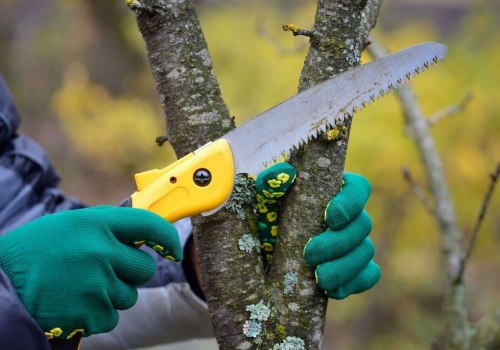
- Pruning and Trimming: Schedule regular pruning to remove dead or overgrown branches. This not only improves the tree's appearance but also reduces the risk of falling limbs that could damage property or injure individuals.
- Watering and Fertilization: Ensure trees receive adequate water, especially during dry spells. Additionally, applying the right fertilizers can promote healthy growth and resilience against diseases.
- Mulching: Use mulch around the base of trees to retain moisture, suppress weeds, and regulate soil temperature.
This simple practice can significantly enhance tree health.
- Storm Preparation: Before severe weather events, assess trees for stability. Remove any weak branches and consider cabling or bracing for larger trees that may be at risk of falling.
FAQs About Tree Maintenance for Real Estate Assets
When it comes to tree maintenance for real estate assets, many property owners have questions about the best practices and potential pitfalls. Here are some frequently asked questions that can help clarify common concerns.What are the signs that a tree needs maintenance?
Property owners should look for several indicators that a tree may require attention:- Dead or dying branches: If branches are brittle, discolored, or devoid of leaves, they may need to be pruned or removed.
- Fungal growth: The presence of mushrooms or other fungi at the base of a tree can indicate decay.
- Cracks in the trunk: Visible cracks or splits can compromise the tree's structural integrity.
- Leaning trees: A tree that is leaning significantly may be at risk of falling and should be assessed by a professional.
How often should trees be maintained?
The frequency of tree maintenance largely depends on the species, age, and health of the tree.However, a general guideline is:
- Annual inspections: Regular check-ups can help catch issues early.
- Pruning: Most trees benefit from pruning every 3-5 years to promote healthy growth.
- Storm preparation: Before severe weather, trees should be evaluated for potential hazards.
Can neglecting tree maintenance affect property value?
Absolutely. Neglected trees can lead to several issues that may diminish a property's value:- Aesthetic appeal: Overgrown or unhealthy trees can detract from the overall appearance of a property.
- Safety hazards: Dead branches or unstable trees pose risks to residents and visitors, potentially leading to liability issues.
- Pest infestations: Unmaintained trees can attract pests that may spread to nearby structures or landscapes.
Conclusion: The Value of Proactive Tree Maintenance
In conclusion, the significance of tree maintenance for real estate assets cannot be overstated. Regular upkeep not only preserves the aesthetic appeal of a property but also safeguards its structural integrity and overall value. Neglecting tree maintenance can lead to a myriad of issues that may ultimately diminish the worth of real estate investments. One of the most pressing consequences of inadequate tree care is the potential for property damage.Overgrown branches can encroach on roofs, windows, and power lines, leading to costly repairs and safety hazards. Additionally, unhealthy trees are more susceptible to diseases and pests, which can spread to other plants and even compromise the foundation of buildings. Moreover, properties with well-maintained trees often enjoy higher market values. A well-landscaped yard with healthy trees enhances curb appeal, making a property more attractive to potential buyers or renters. In contrast, neglected trees can create a negative impression, leading to decreased interest and lower offers. Furthermore, regular tree maintenance contributes to environmental sustainability.
Healthy trees improve air quality, provide shade, and support local wildlife, all of which are increasingly valued by eco-conscious buyers. By investing in proactive tree care, property owners not only protect their assets but also contribute positively to their communities. Ultimately, the benefits of maintaining trees extend beyond mere aesthetics; they encompass financial security, safety, and environmental stewardship. Therefore, prioritizing tree maintenance for real estate assets is a wise decision that pays dividends in the long run.