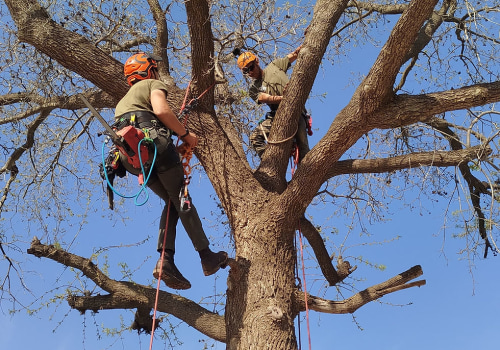
Tree maintenance is a critical aspect of managing real estate assets, often overlooked by property owners and managers. The presence of healthy, well-maintained trees can significantly enhance the aesthetic appeal of a property, contributing to its overall value. Conversely, neglected trees can pose serious risks, including property damage and safety hazards. Understanding the importance of tree care is essential for anyone involved in real estate management, as it directly impacts both the marketability and longevity of the asset. Proper tree maintenance involves regular inspections, pruning, and disease management to ensure that trees remain healthy and safe.
This not only helps in preserving the beauty of the landscape but also mitigates potential liabilities associated with falling branches or tree failures. For real estate assets, maintaining a safe environment is paramount; thus, investing in professional tree care services can be a wise decision that pays off in the long run. Moreover, well-maintained trees can lead to increased energy efficiency by providing shade and reducing cooling costs during hot months. They also contribute to improved air quality and biodiversity, making properties more attractive to potential buyers or tenants. In summary, understanding the significance of tree maintenance for real estate assets is crucial for safeguarding investments and enhancing property value.
Types of Tree Maintenance Services
When it comes to tree maintenance for real estate assets, understanding the various types of services available is crucial for effective property management.Each service plays a unique role in maintaining the health and aesthetics of trees, which can significantly impact property value.
Tree Trimming
Tree trimming is essential for maintaining the shape and size of trees, ensuring they do not interfere with structures or power lines. Regular trimming helps promote healthy growth and can prevent potential hazards, such as falling branches during storms. This service is particularly important for properties with large trees close to buildings, as it minimizes risks associated with property damage.Tree Pruning
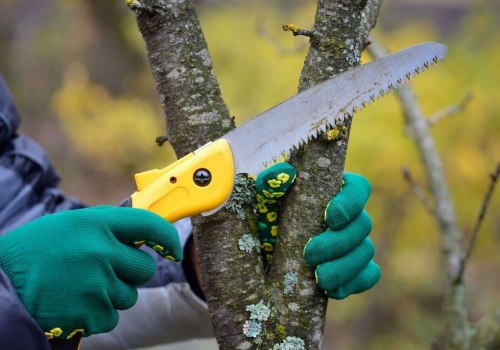
Pruning involves selectively removing specific branches to improve tree structure and health. This practice not only enhances the tree's appearance but also encourages new growth and increases air circulation within the canopy.For real estate assets, well-pruned trees can enhance curb appeal, making properties more attractive to potential buyers or renters.
Tree Removal
In some cases, tree removal may be necessary, especially if a tree is dead, diseased, or poses a safety risk. Removing a tree can be a complex process that requires professional expertise to ensure it is done safely and efficiently. Property managers should consider the implications of tree removal on their insurance policies, as improper removal can lead to liability issues.Tree Health Care
Tree health care encompasses a range of services aimed at maintaining the overall health of trees. This includes soil management, pest control, and disease treatment.Regular health assessments can help identify potential issues before they become serious problems, ultimately protecting the investment in real estate assets.In summary, understanding the different types of tree maintenance services is vital for property managers. By investing in these services, they can ensure the longevity and health of trees on their properties while also safeguarding their investments against potential liabilities.
Insurance Considerations for Tree Maintenance
When it comes to tree maintenance for real estate assets, understanding the various insurance considerations is crucial for property owners. Proper insurance coverage can protect against potential liabilities and financial losses that may arise during tree care activities.Liability Insurance
- Liability insurance is essential for property owners who engage in tree maintenance, as it covers injuries or damages that may occur on the property. For instance, if a tree falls and damages a neighboring property or injures a passerby, liability insurance can help cover legal fees and compensation claims.
- It’s advisable to check whether your current liability policy includes coverage for tree maintenance activities.
If not, consider adding a rider or obtaining a separate policy.
Property Insurance
- Property insurance typically covers damage to the physical structure of your real estate assets. However, it’s important to verify if it extends to damages caused by tree maintenance operations.
- For example, if a tree removal leads to structural damage, your property insurance should ideally cover the repair costs. Always review your policy details and consult with your insurance agent to ensure adequate coverage.
Tree Maintenance Insurance
- Tree maintenance insurance, often offered by specialized providers, can be beneficial for those who frequently perform tree care tasks. This type of insurance typically covers both liability and property damage specifically related to tree work.
- Investing in this insurance can provide peace of mind, knowing that you are protected against the unique risks associated with tree maintenance.
Engaging with an experienced insurance agent can help tailor a policy that adequately protects you from potential liabilities and ensures compliance with local regulations.
Liability Risks Associated with Tree Maintenance
When it comes to tree maintenance for real estate assets, understanding the liability risks involved is crucial for property owners and managers. Engaging in tree maintenance activities can lead to various accidents, which may result in significant financial repercussions if not properly managed.One of the primary concerns during tree maintenance is the potential for accidents. These can occur not only to the workers performing the maintenance but also to bystanders or neighboring properties. For instance, a falling branch can cause injury to a passerby or damage to a vehicle parked nearby.Such incidents can lead to costly insurance claims, which may affect your overall coverage and premiums.To mitigate these risks, it is essential to consider the following:
- Hire Qualified Professionals: Always engage certified arborists or tree care professionals who are trained in safe tree maintenance practices. Their expertise can significantly reduce the likelihood of accidents.
- Obtain Proper Insurance: Ensure that your insurance policy covers liability related to tree maintenance. This includes general liability insurance and, if applicable, workers' compensation for any employees involved in the work.
- Conduct Risk Assessments: Before any tree maintenance work begins, perform a thorough risk assessment of the area. Identify potential hazards and take steps to mitigate them, such as cordoning off areas where work will be conducted.
- Document Everything: Keep detailed records of all maintenance activities, including contracts with service providers, safety protocols followed, and any incidents that occur.
This documentation can be invaluable when filing insurance claims.
Choosing the Right Insurance Coverage for Tree Maintenance
When it comes to tree maintenance for real estate assets, selecting the right insurance coverage is crucial to protect both the property and the individuals involved in the maintenance process. Here are some key considerations to keep in mind:- Types of Coverage: There are several types of insurance coverage that may be relevant for tree maintenance:
- General Liability Insurance: This is essential for protecting against claims of bodily injury or property damage that may occur during tree maintenance activities.
- Workers' Compensation Insurance: If you employ workers for tree maintenance, this coverage is necessary to cover medical expenses and lost wages in case of work-related injuries.
- Property Insurance: This protects your real estate assets from damage caused by falling trees or branches during maintenance.
- Equipment Insurance: If you use specialized equipment for tree trimming or removal, consider coverage that protects against theft or damage to this equipment.
Best Practices for Insurance Selection:
- Assess Your Needs: Evaluate the specific risks associated with your property and the type of tree maintenance being performed. This will help you determine the necessary coverage levels.
- Consult with Professionals: Speak with insurance agents who specialize in commercial property or landscaping insurance.
They can provide tailored advice based on your unique situation.
- Review Policy Exclusions: Carefully read through policy documents to understand what is not covered. This can prevent unpleasant surprises when filing a claim.
- Compare Quotes: Obtain quotes from multiple insurance providers to ensure you are getting the best coverage at a competitive price.
Common FAQs About Tree Maintenance Insurance
When it comes to tree maintenance for real estate assets, understanding the insurance landscape is crucial for property owners. Here are some common questions regarding insurance that can help clarify your concerns:- What type of insurance should I look for when hiring a tree service?
When hiring a tree service, ensure they have liability insurance and workers' compensation insurance. Liability insurance protects you in case of property damage or injury caused by the tree service, while workers' compensation covers any injuries sustained by the workers on your property. - Do I need additional coverage for tree maintenance?
Depending on the scope of the work, you may want to consider additional coverage such as property damage insurance or umbrella insurance.This can provide extra protection beyond standard policies, especially if you have valuable assets near the trees being maintained.
- What happens if a tree falls during maintenance?
If a tree falls during maintenance and causes damage, the liability typically falls on the tree service if they are insured. However, it’s essential to verify their coverage before work begins to avoid potential disputes. - Are there specific exclusions I should be aware of?
Many insurance policies have exclusions related to natural disasters, such as storms or floods. Review your policy carefully to understand what is covered and what isn’t, especially if your property is in an area prone to severe weather.
Best Practices for Managing Tree Maintenance and Insurance Needs
When it comes to tree maintenance for real estate assets, understanding the intersection of tree care and insurance is crucial for property owners. Implementing best practices not only ensures the health of the trees but also mitigates potential liabilities.1.Regular Inspections
- Conduct routine inspections of trees on your property to identify any signs of disease, damage, or instability.
This proactive approach can prevent accidents and reduce insurance claims.
- Engage certified arborists for professional assessments, especially for large or old trees that may pose a higher risk.
2.Document Maintenance Activities
- Keep detailed records of all tree maintenance activities, including pruning, fertilization, and pest control. This documentation can be invaluable when dealing with insurance claims.
- Photographic evidence of tree conditions before and after maintenance can further support your case in the event of a dispute.
3.Understand Your Insurance Policy
- Review your property insurance policy to understand coverage related to tree damage or liability. Some policies may have specific exclusions or limitations regarding tree-related incidents.
- Consider additional coverage options if your property has numerous or large trees that could potentially cause damage to structures or people.
4.Implement Proactive Tree Care Strategies
- Invest in preventive care such as regular pruning and disease management to maintain tree health and stability.
- Consider planting species that are less prone to disease and structural failure, which can reduce long-term maintenance costs and risks.
Conclusion: Key Takeaways on Insurance and Tree Maintenance for Real Estate Assets
In conclusion, understanding the insurance considerations related to tree maintenance for real estate assets is crucial for property owners and managers. Properly maintaining trees not only enhances the aesthetic appeal of a property but also mitigates potential risks that could lead to costly claims.- Review Your Insurance Policy: Ensure that your insurance policy covers damages related to tree maintenance.
This includes liability for injuries caused by falling branches or trees, as well as damage to property.
- Document Tree Conditions: Regularly assess and document the health and condition of trees on your property. This can provide evidence in case of disputes or claims related to tree-related incidents.
- Hire Qualified Professionals: When performing tree maintenance, consider hiring certified arborists or tree care professionals. Their expertise can help prevent accidents and ensure compliance with local regulations, which may also affect your insurance coverage.
- Understand Local Regulations: Familiarize yourself with local laws regarding tree maintenance. Some municipalities have specific requirements that could impact your insurance obligations.
- Communicate with Your Insurer: Maintain open communication with your insurance provider about any changes in tree conditions or maintenance activities.
This proactive approach can help you stay informed about your coverage and any necessary adjustments.